Beyond Automation: Exploring the Future of AI in Creative Industries
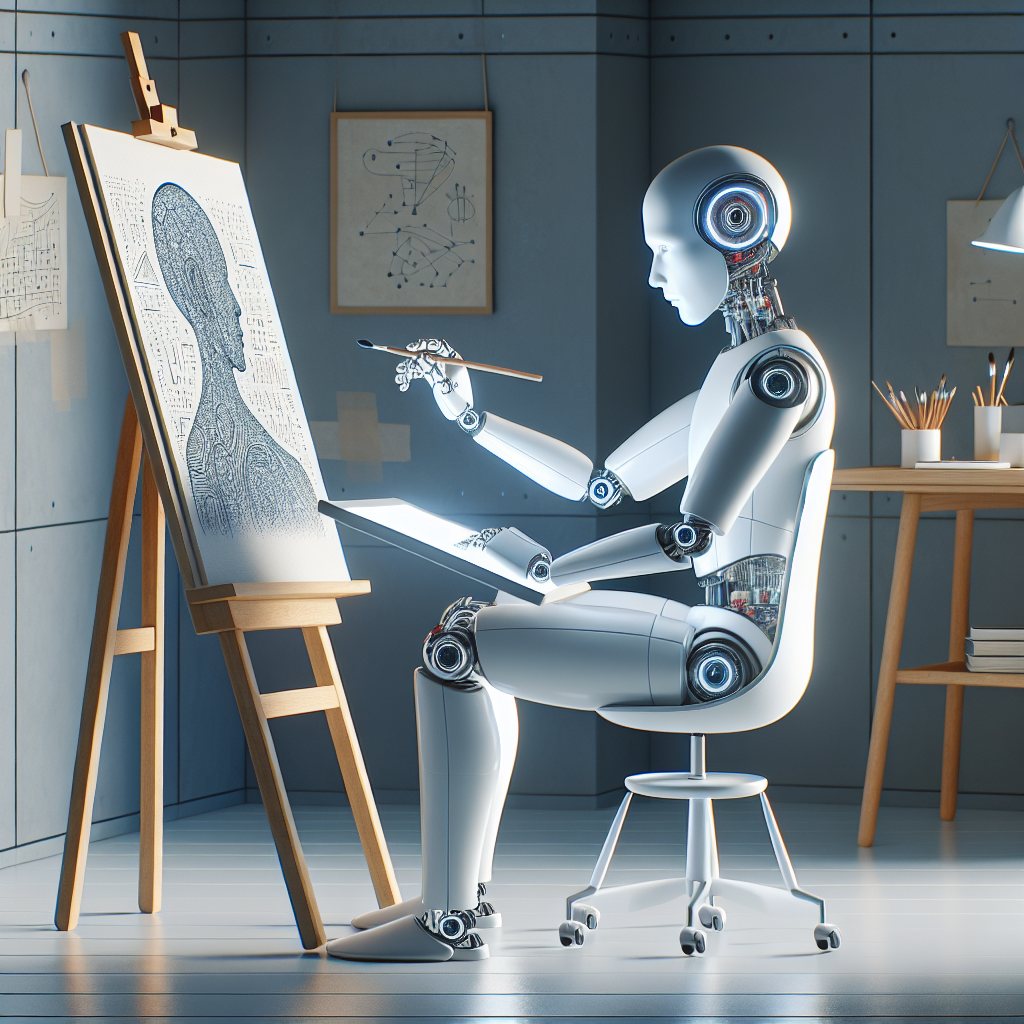
The rapid advancements in artificial intelligence (AI) have sparked a transformative wave across various sectors, but perhaps none are as intriguing as its impact on creative industries. From graphic design and music composition to writing and filmmaking, AI is not just a tool for automation but a collaborator that redefines creative processes. As we delve into the future of AI in these industries, we uncover a landscape rich with possibilities, challenges, and opportunities for innovation.
The Collaborative Potential of AI in Creativity
Traditionally, creativity has been seen as a profoundly human trait, characterized by imagination and emotional depth. However, AI technologies like generative adversarial networks (GANs) and natural language processing (NLP) are beginning to challenge this notion. These systems can analyze vast datasets, learn patterns, and generate original content that often blurs the lines between human and machine creativity.
Case Studies in AI-Driven Creativity
One of the most notable examples is OpenAI's DALL-E, which generates images from textual descriptions, showcasing the synergy between language and visual art. Another is Jukedeck, a platform that composes music using AI algorithms, allowing creators to produce custom soundtracks with minimal input. These tools not only enhance the creative process but also democratize access to creative resources, enabling individuals without formal training to express their artistic visions.
The Role of AI in Enhancing Human Creativity
Rather than replacing human creativity, AI is poised to augment it. By automating repetitive tasks, AI frees up time for artists and creators to focus on the conceptual and emotional aspects of their work. For instance, in graphic design, AI-powered tools can assist in color matching, layout suggestions, and even generating design variations, allowing designers to experiment more freely.
Real-World Applications
In the film industry, AI tools like ScriptBook analyze scripts for potential box office success, providing filmmakers with data-driven insights to refine their storytelling. Similarly, Adobe's Creative Cloud incorporates AI features that enhance photo editing and video production, helping creators achieve professional results with efficiency. These innovations enable artists to push boundaries, exploring new styles and formats that were previously unimaginable.
Challenges and Ethical Considerations
As we embrace AI in creative industries, we must also confront the ethical implications. Issues of copyright, originality, and the potential for bias in AI-generated content are significant concerns. For instance, if an AI creates a piece of music or art, who owns the rights to that creation? Furthermore, if the training data includes biased representations, the AI may inadvertently perpetuate stereotypes or cultural inaccuracies.
Addressing Ethical Dilemmas
To navigate these challenges, industry stakeholders must engage in ongoing dialogues about the ethical use of AI. Implementing guidelines for AI-generated content, advocating for transparency in algorithms, and involving diverse voices in the development process are crucial steps. By fostering a responsible approach to AI, we can leverage its benefits while minimizing potential pitfalls.
The Future Landscape of AI and Creativity
Looking ahead, the integration of AI into creative industries is likely to deepen. As technology evolves, we can expect even more sophisticated tools that facilitate collaboration between humans and machines. Imagine AI systems that not only assist but also inspire, offering unique perspectives and ideas that challenge conventional thinking.
Practical Tips for Embracing AI in Creative Work
For creators eager to embrace AI in their practice, here are a few actionable tips:
- Stay Informed: Keep up with emerging AI technologies relevant to your field. Platforms like Medium, AI conferences, and industry webinars are great resources.
- Experiment: Don’t hesitate to explore AI tools. Many are user-friendly and designed for creators, allowing you to experiment without needing extensive technical knowledge.
- Collaborate: Engage with AI as a partner in your creative process. Use it to brainstorm ideas, generate variations, or even overcome creative blocks.
- Reflect on Ethics: Consider the ethical implications of your AI use. Ensure your work respects copyright and cultural sensitivities, and strive for inclusivity in your creative output.
Conclusion: Embracing a New Era of Creativity
As AI continues to evolve, its role in creative industries will undoubtedly expand, presenting both exciting opportunities and complex challenges. By viewing AI as a collaborator rather than a competitor, creators can harness its potential to push the boundaries of their work. The future of creativity lies in our ability to blend human intuition with technological innovation, ensuring that art remains a profound expression of the human experience. Embrace this new era, and let your creativity soar beyond the limits of imagination.