Beyond Automation: How AI and Machine Learning Will Shape the Workforce of 2030
The rapid advancement of artificial intelligence (AI) and machine learning (ML) is set to redefine the landscape of work by 2030. As these technologies evolve, they will not only automate routine tasks but also augment human capabilities, creating new job roles and transforming existing ones. In this blog post, we will explore how AI and ML will shape the workforce of the future, the skills that will be in demand, and how organizations can prepare for this shift.
The Current State of AI and Machine Learning in the Workforce
As of now, AI and machine learning technologies have begun to infiltrate various industries, from finance to healthcare. According to a report by McKinsey, around 70% of companies are expected to adopt at least one form of AI by 2030. This widespread integration signals a shift in how businesses operate and interact with their employees.
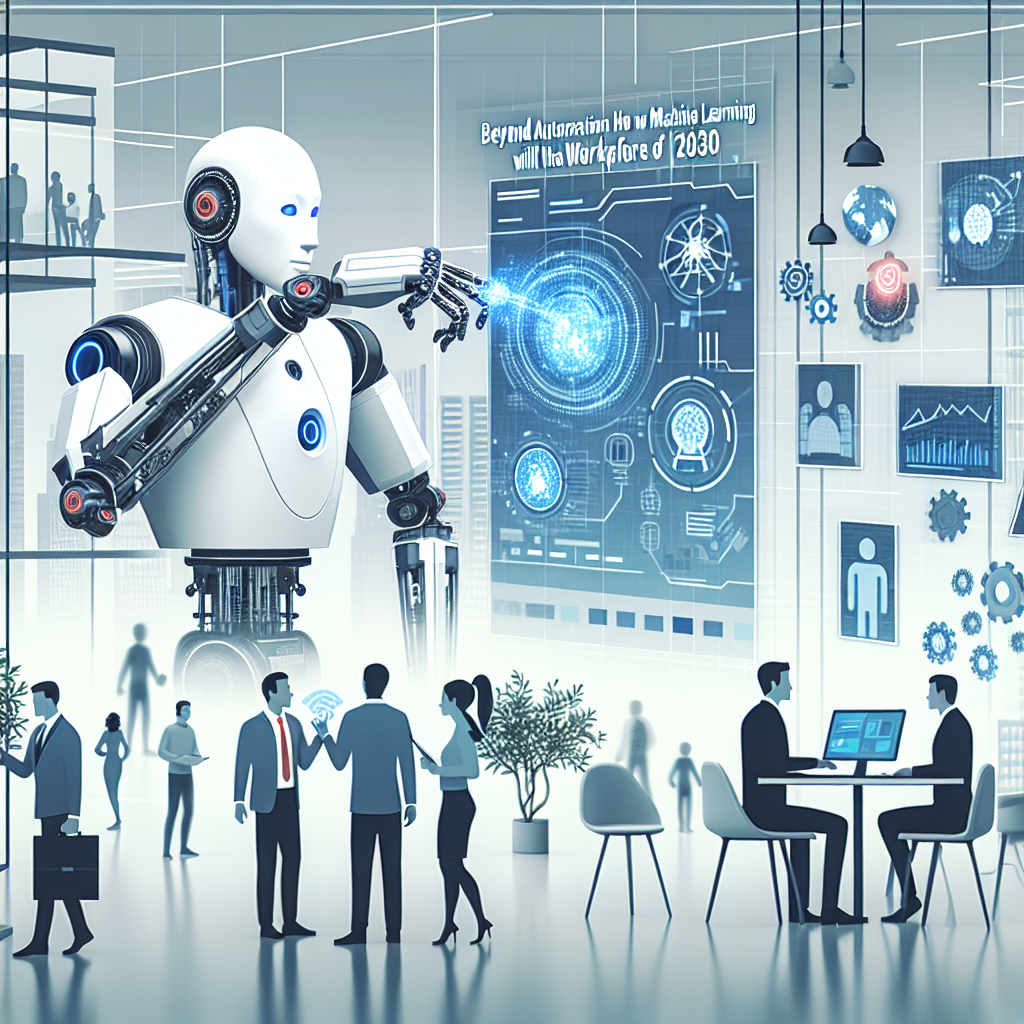
Automation has already taken over repetitive tasks, such as data entry and analysis, freeing up human workers to focus on more complex and creative aspects of their jobs. For instance, in the banking sector, chatbots powered by AI handle customer inquiries, allowing human employees to dedicate their time to high-value interactions. As we look toward 2030, the role of AI will shift from mere automation to becoming a collaborative partner in the workplace.
Redefining Job Roles: The Human-AI Collaboration
The Emergence of New Job Categories
With AI and ML evolving, we can expect to see the emergence of new roles that don’t exist today. Positions such as AI ethicists, machine learning trainers, and data curators are already being discussed. These roles will require individuals to possess a blend of technical skills and soft skills, such as critical thinking and emotional intelligence.
For example, an AI ethicist will need to understand both technology and regulatory frameworks to ensure that AI systems are designed and implemented responsibly. As the technology becomes more ingrained in daily operations, the need for professionals who can bridge the gap between AI capabilities and ethical considerations will grow.
Augmenting Human Skills
AI will not replace human jobs but will enhance them. By 2030, workers will rely on AI tools to augment their decision-making and creativity. For instance, in healthcare, AI can analyze patient data to provide doctors with insights that inform treatment plans. This collaboration will lead to better patient outcomes and more efficient workflows.
Furthermore, industries like marketing are already leveraging AI to predict consumer behavior, enabling professionals to craft more targeted campaigns. As AI continues to evolve, the ability to interpret and act on AI-generated insights will become a crucial skill for professionals across various sectors.
Skills of the Future: What Workers Need to Succeed
As we prepare for the workforce of 2030, there are several key skills that will become increasingly important:
- Technical Literacy: Understanding AI and ML technologies will be essential. Employees should be familiar with data analytics tools and programming languages to effectively collaborate with AI systems.
- Adaptability: The ability to quickly learn new technologies and adjust to changing work environments will be a valuable asset. Workers who embrace lifelong learning will thrive in this dynamic landscape.
- Soft Skills: Emotional intelligence, creativity, and teamwork will be more important than ever. As machines take over technical tasks, the human touch will remain irreplaceable in client relations and team dynamics.
Preparing Organizations for the AI-Driven Future
For companies to thrive in this new era, they must adopt a proactive approach to integrating AI into their operations. This includes investing in employee training programs that focus not only on technical skills but also on fostering a culture of innovation and adaptability.
For instance, organizations can implement mentorship programs where experienced employees guide newcomers on how to leverage AI tools effectively. Additionally, fostering an environment that encourages experimentation will help employees feel comfortable with new technologies and processes.
Moreover, leaders should prioritize diversity in AI development teams to ensure that the systems created are inclusive and equitable. A diverse perspective can lead to more innovative solutions and minimize bias in AI algorithms.
Conclusion: Embracing Change for a Brighter Future
As we approach 2030, the workforce will undeniably be shaped by AI and machine learning. Rather than fearing job loss, we should embrace the potential for enhanced collaboration between humans and machines. By focusing on developing the right skills and fostering a culture of innovation, both employees and organizations can adapt to this evolving landscape.
Actionable takeaways include investing in continuous education, embracing adaptability, and fostering diverse teams that can navigate the complexities of AI. As we stand on the brink of this technological revolution, the future of work holds exciting possibilities for those willing to evolve alongside it.