Beyond Automation: The Next Frontier of AI and Machine Learning in Shaping Human Experience
As we stand at the cusp of a new era in technology, the conversation around artificial intelligence (AI) and machine learning (ML) is evolving. While automation has been the buzzword of the past decade, the focus is shifting toward how these technologies can enhance the human experience in ways we’ve yet to fully comprehend. This blog post delves into the next frontier of AI and ML, exploring their potential to augment human capabilities, create personalized experiences, and address complex societal challenges.
The Evolution of AI: From Automation to Augmentation
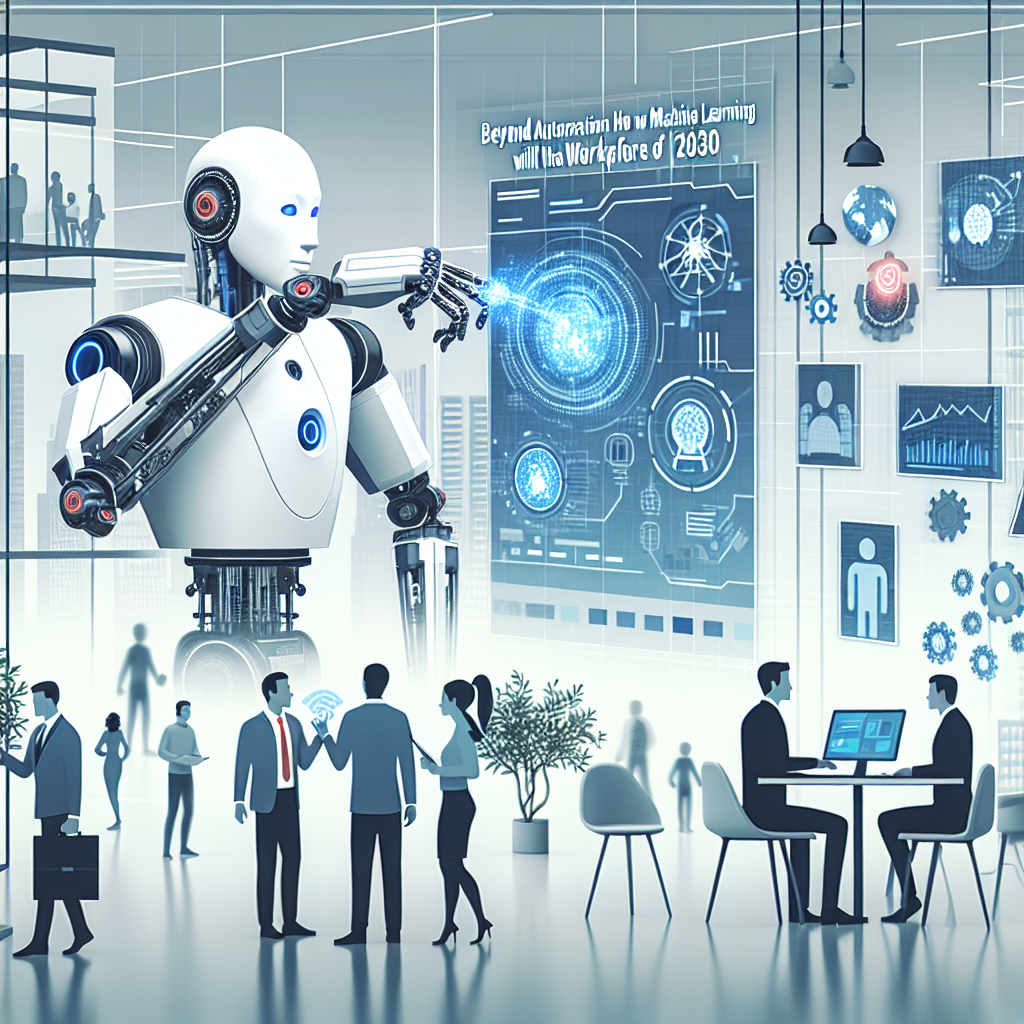
Traditionally, AI and ML have been synonymous with automation. Industries have leveraged these technologies to streamline processes, reduce costs, and minimize human error. For instance, in manufacturing, robots now perform repetitive tasks with precision, leading to significant efficiency gains. However, as technology advances, the narrative is shifting from mere task automation to the augmentation of human capabilities.
According to a report by McKinsey, up to 70% of jobs could be enhanced by AI by 2030. This means that rather than replacing humans, AI has the potential to complement our skills and enhance our decision-making processes. For example, in healthcare, AI-driven diagnostics can analyze medical images with remarkable accuracy, allowing healthcare professionals to focus on patient care and complex decision-making rather than routine tasks.
Creating Personalized Experiences
One of the most exciting applications of AI and ML lies in their ability to create personalized experiences. In a world overwhelmed by information and choice, personalization helps users navigate their options more effectively. For instance, streaming platforms like Netflix and Spotify use recommendation algorithms powered by machine learning to tailor content to individual preferences. This not only enhances user satisfaction but also increases engagement and retention rates.
The Role of Data in Personalization
Data is the backbone of personalized experiences. As organizations collect vast amounts of data, AI algorithms can analyze patterns and behaviors, allowing for hyper-targeted marketing strategies. A 2021 study by Epsilon found that 80% of consumers are more likely to make a purchase when brands offer personalized experiences. This statistic underscores the importance of leveraging AI to create meaningful interactions that resonate with consumers.
However, personalization also raises ethical considerations. Striking a balance between tailored experiences and user privacy is paramount. Companies must be transparent about data usage and prioritize user consent to build trust and foster long-term relationships.
Addressing Complex Societal Challenges
Beyond enhancing individual experiences, AI and ML hold the potential to tackle some of the most pressing challenges facing society today. From climate change to healthcare disparities, these technologies can provide innovative solutions that drive positive change.
AI in Climate Change Mitigation
Climate change is a global crisis requiring urgent action. AI can play a crucial role in environmental sustainability by optimizing energy usage, improving resource management, and predicting climate patterns. For example, Google’s DeepMind has collaborated with the company’s data centers to reduce energy consumption by 40%, showcasing how AI can lead to substantial environmental benefits.
Moreover, AI-powered modeling can help scientists predict and analyze the impacts of climate change, enabling policymakers to make informed decisions. By leveraging data analytics, we can better understand the dynamics of environmental changes and develop effective mitigation strategies.
Enhancing Healthcare Accessibility
In healthcare, AI and ML are poised to revolutionize the way we approach accessibility and equity. Telemedicine, powered by AI, has made it possible for patients in remote areas to receive quality care without the need to travel. Additionally, AI algorithms can identify health disparities and recommend targeted interventions, ensuring that underserved populations receive the attention they need.
For instance, companies like Zebra Medical Vision use AI to analyze medical imaging data, enabling earlier detection of diseases in populations that traditionally face barriers to healthcare access. As we move forward, the integration of AI into healthcare systems promises to democratize access to medical resources and improve health outcomes for all.
Conclusion: Embracing the Future of AI and Human Experience
As we venture beyond automation, the next frontier of AI and machine learning lies in their ability to enhance human experience, drive personalization, and address complex societal challenges. By embracing these technologies responsibly, we can unlock their full potential and create a future where technology and humanity coexist harmoniously.
Actionable takeaways for organizations looking to harness the power of AI include:
- Invest in AI literacy and training for employees to foster a culture of innovation.
- Prioritize ethical considerations in AI implementation to build trust with users.
- Leverage data analytics for personalized experiences while ensuring user privacy.
- Explore AI applications that address societal challenges, contributing to positive change.
The journey into the next frontier of AI and ML is just beginning. By focusing on collaboration, ethics, and innovation, businesses and individuals can shape a future where technology enhances not just productivity, but the very essence of the human experience.