Beyond Subscriptions: Exploring the Rise of Usage-Based Pricing Models in SaaS
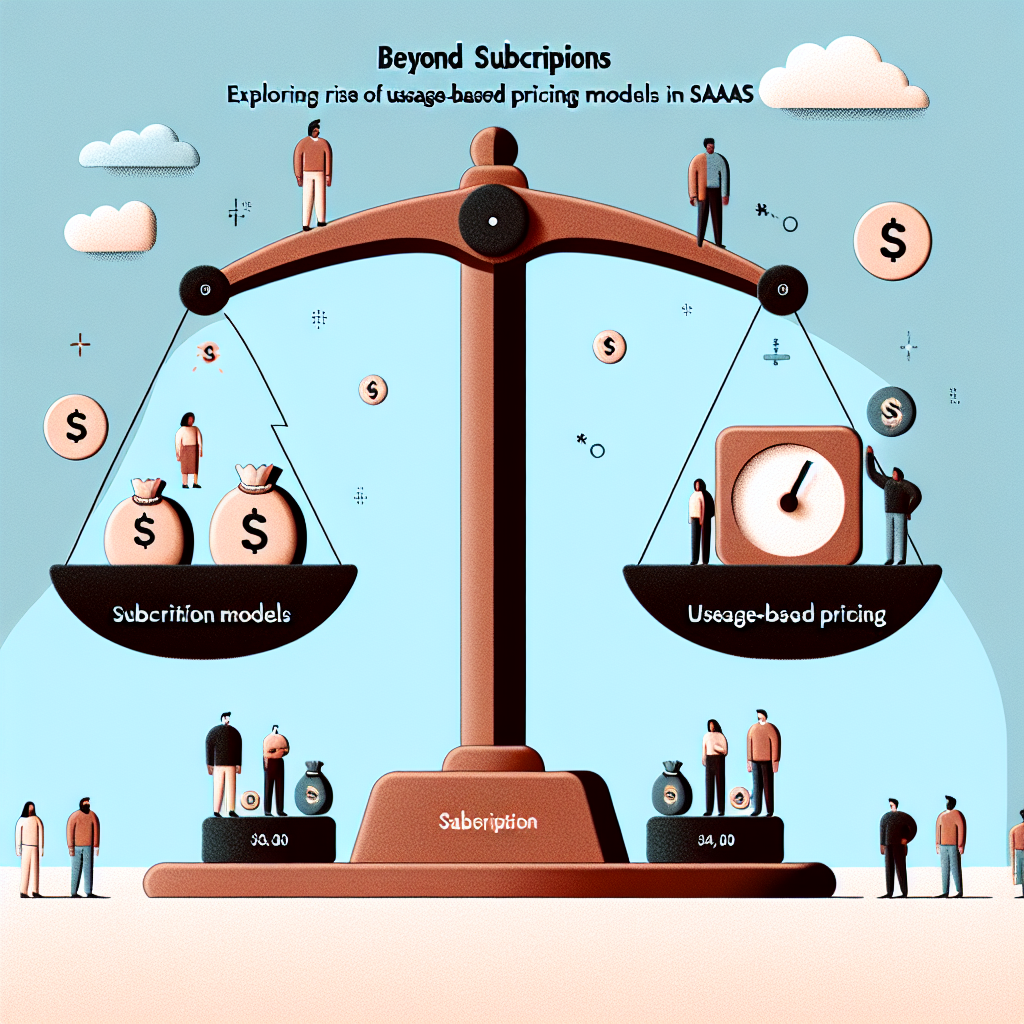
In recent years, the landscape of Software as a Service (SaaS) has undergone a significant transformation. Traditionally dominated by flat-rate subscription pricing models, the industry is now witnessing a shift towards usage-based pricing. This innovative approach aligns costs with actual usage, offering a level of flexibility and fairness that resonates with modern consumers. As businesses strive to optimize their spending and maximize value, understanding this evolution is critical for both providers and users. Let’s dive deeper into the rise of usage-based pricing models and what they mean for the future of SaaS.
The Shift from Subscription to Usage-Based Pricing
Subscription pricing has long been a staple in the SaaS industry, providing predictable revenue for companies and straightforward budgeting for customers. However, as businesses become more data-driven, the limitations of flat-rate pricing are becoming increasingly apparent. A study by OpenView Partners revealed that 54% of SaaS companies are considering a shift to usage-based models as a way to enhance customer satisfaction and retention.
Usage-based pricing, also known as consumption-based pricing, allows customers to pay based on their actual usage of the software rather than a flat monthly fee. This model promotes a pay-as-you-go approach, where users only pay for what they use, making it particularly appealing for startups and small businesses looking to manage costs effectively.
Benefits of Usage-Based Pricing
There are several compelling benefits associated with usage-based pricing models:
- Cost Efficiency: Customers appreciate only paying for what they actually use, which can lead to significant savings, especially for businesses with fluctuating demands.
- Scalability: As businesses grow and their needs change, usage-based pricing allows them to scale their software services without the burden of locked-in contracts.
- Increased Usage: Companies that adopt this model often see a boost in product engagement, as users are encouraged to explore and utilize more features without the fear of overspending.
Real-World Examples of Usage-Based Pricing
Several leading SaaS companies have successfully implemented usage-based pricing, demonstrating its effectiveness and appeal. Here are a few noteworthy examples:
- Twilio: This cloud communications platform charges based on the number of messages sent or calls made, allowing businesses to scale their communications as needed without upfront costs.
- Snowflake: A data warehousing solution that bills customers based on the amount of data processed, Snowflake’s pricing model has attracted a diverse range of clients, from startups to enterprises.
- HubSpot: While primarily subscription-based, HubSpot has introduced usage-based components, such as the number of contacts or email sends, making it easier for users to manage costs as they grow.
Challenges of Implementing Usage-Based Pricing
Despite its advantages, transitioning to a usage-based pricing model is not without challenges. One major concern is the potential for revenue unpredictability. For SaaS companies, this can complicate forecasting and financial planning. Additionally, customers accustomed to flat-rate pricing may be hesitant to adopt a new model, fearing unexpected costs.
To mitigate these challenges, businesses should consider offering transparent pricing structures and clear usage tracking. Educating customers about how usage-based pricing works and showcasing potential savings can also help ease the transition. The goal is to provide clarity and confidence in this new approach.
The Future of SaaS Pricing Models
As the SaaS market continues to evolve, usage-based pricing models are likely to become more prevalent. According to a recent report by Gartner, by 2025, over 70% of SaaS providers will offer some form of consumption-based pricing. This shift is driven by an increasing demand for flexibility and personalization in software solutions.
Moreover, the rise of artificial intelligence and machine learning technologies can further refine usage-based pricing strategies. With enhanced analytics, companies can better understand user behavior and adjust pricing accordingly, ensuring customers only pay for the value they receive.
Actionable Takeaways
For SaaS companies looking to embrace this pricing model, here are some practical tips:
- Conduct market research to understand your customers' preferences and how they perceive value.
- Implement robust analytics tools to track usage patterns and customer engagement effectively.
- Communicate transparently with customers about pricing changes, providing them with resources to help them understand the benefits of usage-based pricing.
- Consider hybrid models that combine subscription and usage-based elements to ease the transition for existing customers.
Conclusion
As businesses navigate the complexities of the modern digital landscape, usage-based pricing models offer a compelling alternative to traditional subscription structures. By aligning costs with actual usage, SaaS providers can enhance customer satisfaction, promote engagement, and foster long-term relationships. For customers, this model represents a more equitable way to access software solutions that grow with their needs. As we look ahead, embracing this trend may well be essential for staying competitive in the ever-evolving world of SaaS.