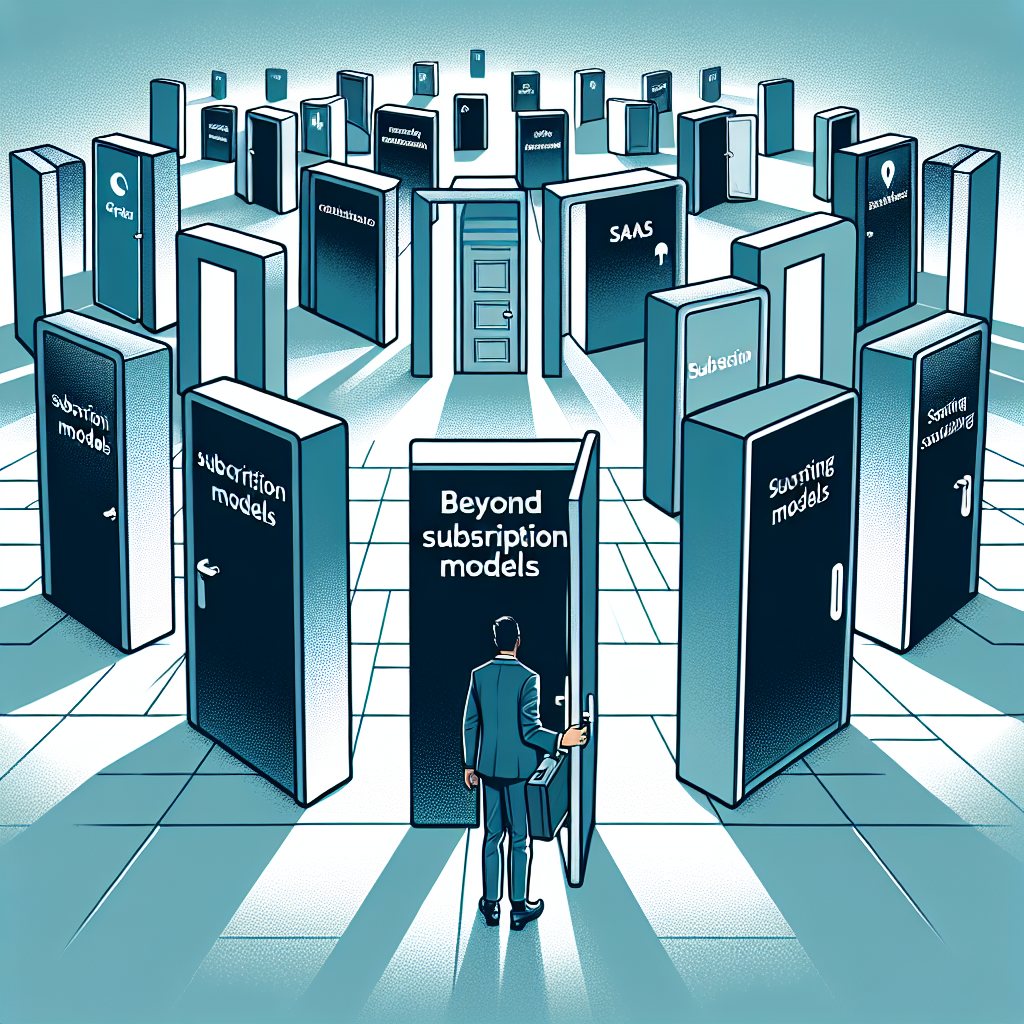
Beyond the Cloud: Emerging SaaS Trends Shaping the Next Decade of Digital Solutions
In the rapidly evolving digital landscape, Software as a Service (SaaS) has become the backbone of modern business operations. As organizations increasingly rely on cloud-based solutions for flexibility, scalability, and cost-effectiveness, the SaaS model continues to mature. Looking ahead, several emerging trends are set to redefine the SaaS space, ensuring that it not only keeps pace with technological advancements but also meets the changing needs of businesses and consumers alike. In this post, we'll explore these trends and what they mean for the future of digital solutions.
The Rise of AI-Driven SaaS Solutions
Artificial Intelligence (AI) is not just a buzzword; it is transforming how software functions and interacts with users. The integration of AI into SaaS platforms is enhancing capabilities across various sectors. AI-driven analytics, for instance, can sift through massive datasets to provide actionable insights that were previously unattainable.
Personalization and Predictive Analytics
One of the most significant benefits of AI in SaaS is the ability to personalize user experiences. Companies like Salesforce are leveraging AI to analyze customer data and predict future behavior, allowing businesses to tailor their marketing strategies effectively. According to a study by McKinsey, companies that excel in personalization can generate up to 40% more revenue than their competitors.
Automation of Routine Tasks
Furthermore, AI can automate mundane tasks, freeing up employees to focus on more strategic initiatives. For example, chatbots powered by AI are now commonplace in customer service SaaS solutions, handling inquiries and resolving issues without human intervention. This not only improves efficiency but also enhances customer satisfaction.
Integration and Interoperability as Key Features
The future of SaaS will heavily emphasize integration and interoperability among various applications. As businesses adopt multiple cloud solutions, the need for seamless communication between these platforms becomes critical. SaaS providers are responding by developing APIs and integration frameworks that allow different systems to work together effortlessly.
The API Economy
The rise of the API economy has led to a surge in demand for SaaS applications that can easily connect with other tools. For instance, platforms such as Zapier enable users to automate workflows between different SaaS applications without needing extensive coding knowledge. This trend arms businesses with the agility to adapt to new technologies quickly and effectively.
Unified Platforms
Moreover, we are witnessing the emergence of unified SaaS platforms that consolidate multiple functionalities into one solution. Companies like HubSpot and Zoho are leading the charge, offering everything from CRM to marketing automation in a single package. This not only simplifies management but also reduces costs associated with maintaining multiple subscriptions.
Focus on Security and Compliance
With the increase in cyber threats and stringent data protection regulations, security and compliance have become top priorities for SaaS providers. Businesses are more cautious about where they store sensitive information, driving SaaS companies to invest heavily in security measures.
Enhanced Security Features
From end-to-end encryption to multi-factor authentication, SaaS solutions are incorporating robust security features to safeguard user data. In fact, a report by Gartner predicts that by 2025, 70% of all software will be delivered through SaaS, highlighting the need for stringent security protocols in this domain.
Compliance with Regulations
Moreover, compliance with regulations such as GDPR and HIPAA is non-negotiable for SaaS providers. Businesses must ensure that their software partners adhere to these standards to avoid hefty fines and reputational damage. Consequently, we can expect more SaaS solutions to offer built-in compliance tools that simplify this complex landscape for users.
The Emergence of Vertical SaaS Solutions
While general-purpose SaaS applications have dominated the market for years, there is a noticeable shift toward vertical SaaS solutions tailored for specific industries. These niche applications offer specialized features that address the unique challenges faced by particular sectors.
Industry-Specific Functionality
For example, platforms like Procore serve the construction industry with tools designed for project management, while Veeva Systems caters specifically to the life sciences sector. By focusing on industry-specific needs, these solutions provide greater value and efficiency compared to generalized tools.
Market Growth and Future Potential
Research by MarketsandMarkets estimates that the vertical SaaS market will grow from $5.89 billion in 2020 to $25.36 billion by 2025. This surge reflects the increasing demand for specialized software that can significantly enhance operational efficiency and drive industry-specific innovation.
Conclusion: Embracing the Future of SaaS
The next decade promises to be an exciting one for SaaS as emerging trends like AI integration, enhanced security measures, and the rise of vertical solutions reshape the landscape. For businesses, the key takeaway is to stay informed and agile, ready to adapt to these changes. Investing in SaaS solutions that prioritize integration, security, and industry-specific functionality will be crucial for maintaining a competitive edge.
As we venture into this new era, businesses that embrace these trends will not only enhance their operational efficiency but also improve customer satisfaction, driving long-term growth. The future of digital solutions is bright, and the possibilities are endless—are you ready to seize them?