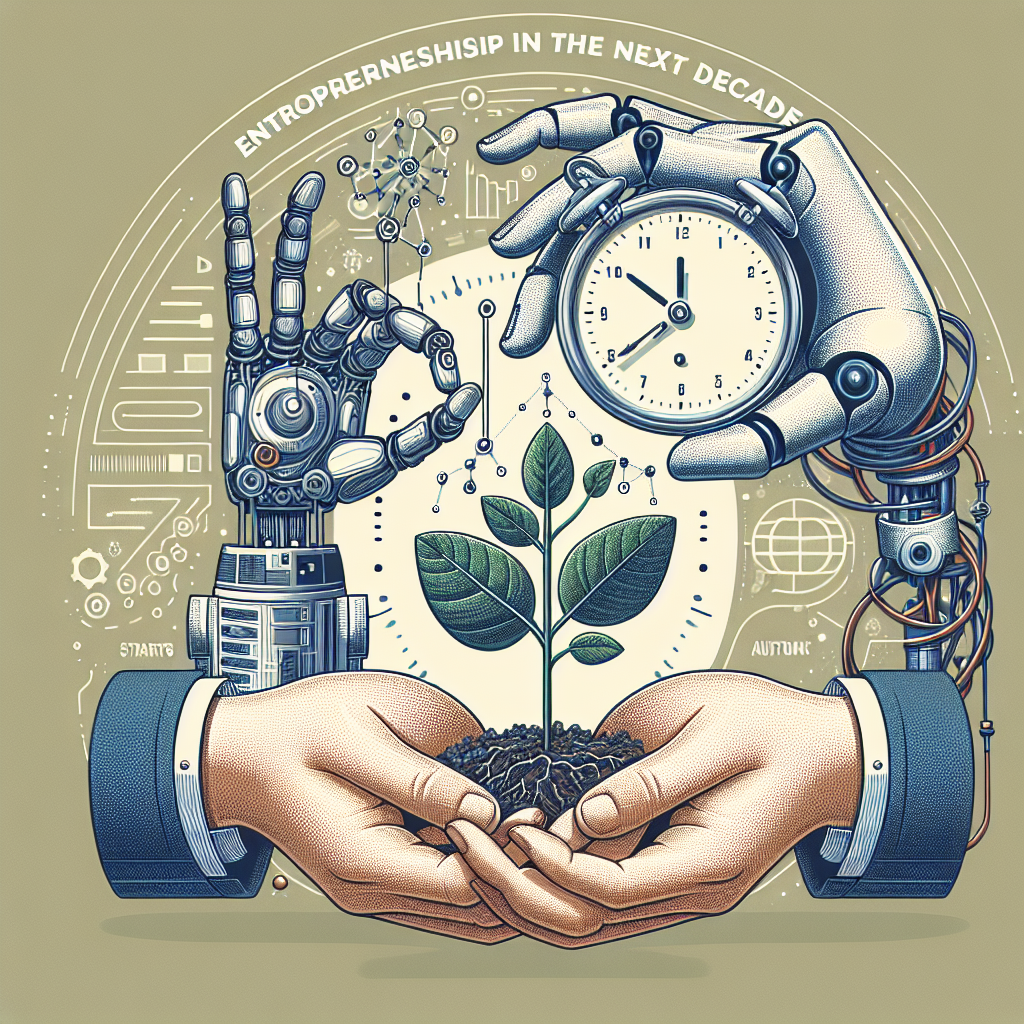
Navigating the Future: 5 Emerging Trends Shaping the Next Wave of Startups
In a world that is constantly evolving, staying ahead of the curve is crucial for entrepreneurs and startups looking to make their mark. The landscape of business is shifting rapidly, driven by technological advancements, changing consumer behaviors, and a global focus on sustainability. As we move further into the 2020s, several emerging trends are poised to reshape the startup ecosystem. In this blog post, we will explore five key trends that are not only influencing new ventures but also offering significant opportunities for innovation and growth.
1. Sustainability as a Core Value
As climate change continues to dominate headlines, sustainability has transitioned from being a buzzword to a foundational element of many successful startups. Consumers are increasingly demanding that businesses adopt eco-friendly practices, and startups are responding by integrating sustainability into their core mission.
The Rise of Green Startups
According to a report by the World Economic Forum, the global market for green technology and sustainability is expected to reach $2.5 trillion by 2025. Startups in sectors such as renewable energy, sustainable agriculture, and eco-friendly consumer products are gaining traction. For instance, companies like Oatly, which produces oat-based dairy alternatives, have successfully capitalized on the growing demand for plant-based options.
Practical Tip
If you're looking to start a business focused on sustainability, consider conducting a thorough analysis of your supply chain to identify areas for improvement. Implementing eco-friendly practices can not only attract environmentally conscious consumers but also reduce operational costs in the long run.
2. The Rise of Remote Work and Digital Collaboration Tools
The COVID-19 pandemic accelerated the shift towards remote work, and many startups are now built around this new paradigm. The demand for digital collaboration tools has skyrocketed, leading to a surge in innovative startups aimed at enhancing remote work experiences.
Innovative Tools for a New Era
Startups like Slack and Trello have successfully carved out niches by providing platforms that facilitate communication and project management for distributed teams. The global remote work market is projected to grow by 15% annually through 2027, indicating a sustained opportunity for new entrants.
Personal Insight
As a startup founder in the tech industry, I have personally experienced the benefits of adopting a remote-first approach. Not only does it allow for a broader talent pool, but it also fosters a flexible work culture that can lead to increased employee satisfaction and productivity.
3. Health Tech and Telemedicine Boom
The pandemic has also catapulted health tech and telemedicine into the spotlight. Startups in this space are innovating to provide accessible, efficient healthcare solutions, from telehealth consultations to wearable health devices.
The Future of Healthcare
According to a report by Grand View Research, the global telemedicine market is expected to reach $459.8 billion by 2030. Startups like Teladoc Health and Doctor on Demand have transformed how patients access healthcare, making it more convenient and cost-effective. Their success underscores the potential for startups that prioritize health technology innovation.
Actionable Takeaway
If you are considering entering the health tech space, focus on identifying pain points in the current healthcare system. Survey potential users to understand their needs and preferences, and leverage technology to create solutions that enhance patient experiences.
4. Artificial Intelligence and Automation
Artificial Intelligence (AI) is no longer just a concept for the future; it's a present-day reality that is reshaping industries across the board. Startups leveraging AI and automation are finding new ways to streamline operations and enhance customer experiences.
Innovating with AI
From AI-driven chatbots that improve customer service to machine learning algorithms that enhance data analytics, the possibilities are endless. Companies like UiPath are leading the charge in robotic process automation, helping businesses to automate repetitive tasks and increase efficiency.
Tip for Entrepreneurs
When exploring AI for your startup, focus on areas that can significantly improve your operational efficiency or customer engagement. Collaborating with AI experts during the development phase can also provide valuable insights and accelerate your product's time to market.
5. The Gig Economy and Flexible Work Models
The gig economy is thriving, with more individuals seeking flexible work arrangements. Startups that cater to this growing demographic are increasingly popular, offering services that connect freelancers with businesses in need of talent.
Connecting Talent with Opportunity
Platforms like Upwork and Fiverr have successfully tapped into this trend, allowing businesses to access a global pool of freelancers. The freelance workforce is projected to grow to 50% of the U.S. workforce by 2027, creating immense opportunities for startups focused on this model.
Final Thoughts
If you're exploring the gig economy for your startup, consider how your platform can enhance the user experience for both freelancers and businesses. Features such as secure payment systems and transparent communication tools can set you apart in a competitive market.
Conclusion
The future of startups is bright, driven by innovation and a willingness to adapt to changing societal needs. By embracing sustainability, remote work, health tech, AI, and the gig economy, entrepreneurs can position themselves for success. As you navigate these emerging trends, remember to stay informed, be flexible, and focus on delivering value to your customers. The next wave of startups is not just about technology; it's about creating meaningful solutions that resonate with the world.