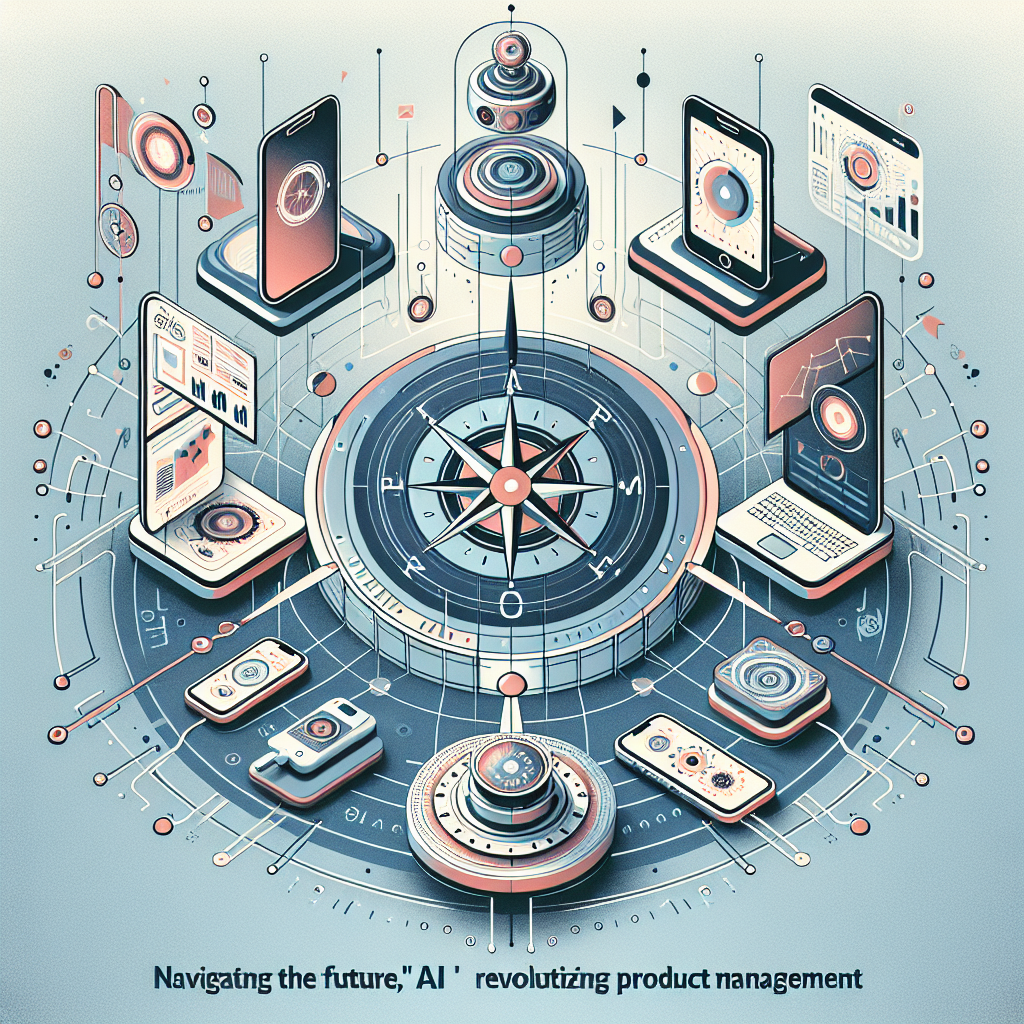
Navigating the Future: How AI and Machine Learning Are Revolutionizing Product Management
In today’s fast-paced business landscape, the integration of Artificial Intelligence (AI) and Machine Learning (ML) is no longer a futuristic aspiration but a present-day reality. As companies strive to create innovative products that meet the evolving needs of consumers, product management has undergone a significant transformation. The advent of AI and ML technologies is not just enhancing traditional methodologies; it is redefining how product managers approach their roles. This blog post explores how these technologies are revolutionizing product management, providing insights into their applications and benefits.
Understanding AI and Machine Learning in Product Management
Before diving into the implications for product management, it's essential to understand what AI and ML entail. AI refers to the simulation of human intelligence in machines, enabling them to perform tasks that typically require cognitive functions, such as visual perception, speech recognition, and decision-making. Machine Learning, a subset of AI, involves algorithms that learn from data, improving their performance over time without being explicitly programmed.
In product management, AI and ML can analyze vast amounts of data, identify patterns, and make predictions, which can significantly enhance decision-making processes. For example, according to a report by McKinsey, companies that leverage AI in their operations can see productivity gains of 20-30%. As such, product managers who embrace these technologies can gain a competitive edge in the market.
Enhancing Data-Driven Decision Making
Leveraging Consumer Insights
One of the most significant advantages of AI and ML in product management is the ability to harness consumer insights effectively. Traditional methods of gathering consumer feedback, such as surveys and focus groups, can be time-consuming and often yield limited results. AI tools can analyze customer interactions across various platforms—social media, online reviews, and direct feedback—allowing product managers to understand consumer sentiments in real-time.
For instance, companies like Netflix use AI algorithms to recommend content based on user preferences, enhancing customer satisfaction and engagement. By integrating similar AI solutions, product managers can tailor their products to meet customer demands more accurately, driving higher retention rates and fostering brand loyalty.
Predictive Analytics for Market Trends
Predictive analytics, powered by machine learning, enables product managers to forecast market trends and consumer behavior with remarkable accuracy. By analyzing historical data, these models can predict future outcomes, helping businesses stay ahead of the curve. For example, Amazon utilizes predictive analytics to optimize inventory levels based on anticipated demand, reducing costs and increasing efficiency.
Product managers can apply similar techniques to develop new features or enhancements that align with emerging trends, ensuring their products remain relevant and competitive. A report from Gartner indicates that by 2025, 75% of organizations will be using AI and ML to improve their decision-making processes, underscoring the importance of these technologies in product management.
Streamlining Product Development Processes
Automation of Routine Tasks
AI and ML can automate repetitive tasks in the product development lifecycle, freeing up product managers to focus on strategic initiatives. For example, AI-powered tools can handle data entry, project tracking, and reporting, allowing teams to allocate their time and resources more effectively. This automation leads to increased efficiency and reduced time-to-market for new products.
Furthermore, AI-driven project management tools, such as Asana and Trello, leverage machine learning to provide insights on team performance, helping managers identify bottlenecks and optimize workflows. By streamlining these processes, product managers can enhance collaboration and drive innovation within their teams.
Improving User Experience Through Personalization
Personalization is vital in today’s consumer landscape, and AI and ML are the keys to achieving tailored user experiences. By analyzing user data, product managers can create personalized features that cater to individual preferences. For instance, Spotify uses machine learning algorithms to curate personalized playlists, enhancing user engagement and satisfaction.
Product managers can implement similar strategies by utilizing AI to analyze user behavior and preferences, enabling them to develop customized experiences that resonate with their target audience. This level of personalization not only increases user satisfaction but can also lead to higher conversion rates and customer loyalty.
Challenges and Considerations
While the benefits of integrating AI and ML into product management are clear, it’s essential to acknowledge the challenges that come with these technologies. Data privacy concerns, the need for high-quality data, and the potential for bias in algorithms are significant issues that product managers must address. Ensuring that AI systems are transparent and ethical will be crucial in maintaining consumer trust.
Moreover, product managers should invest in continuous learning and development to keep pace with advancements in AI and ML. As technology evolves, so too must the skills and knowledge required to leverage these tools effectively. Organizations should foster a culture of innovation and adaptability, empowering product managers to embrace change and drive progress.
Conclusion: Embracing the AI Revolution in Product Management
As AI and machine learning continue to shape the future of product management, it’s clear that these technologies offer unprecedented opportunities for innovation and efficiency. By harnessing data-driven insights, streamlining processes, and personalizing user experiences, product managers can not only enhance their products but also create lasting value for their organizations.
To navigate this evolving landscape successfully, product managers should:
- Invest in AI and ML training to enhance their skill sets.
- Utilize data analytics tools to gather actionable consumer insights.
- Embrace automation to streamline product development processes.
- Prioritize ethical considerations in AI implementation to maintain consumer trust.
By adopting these strategies, product managers can position themselves and their products for success in a rapidly changing market. The future of product management is here, and it is powered by AI and machine learning.