Navigating the Future: How AI and Machine Learning Will Transform Product Management by 2025
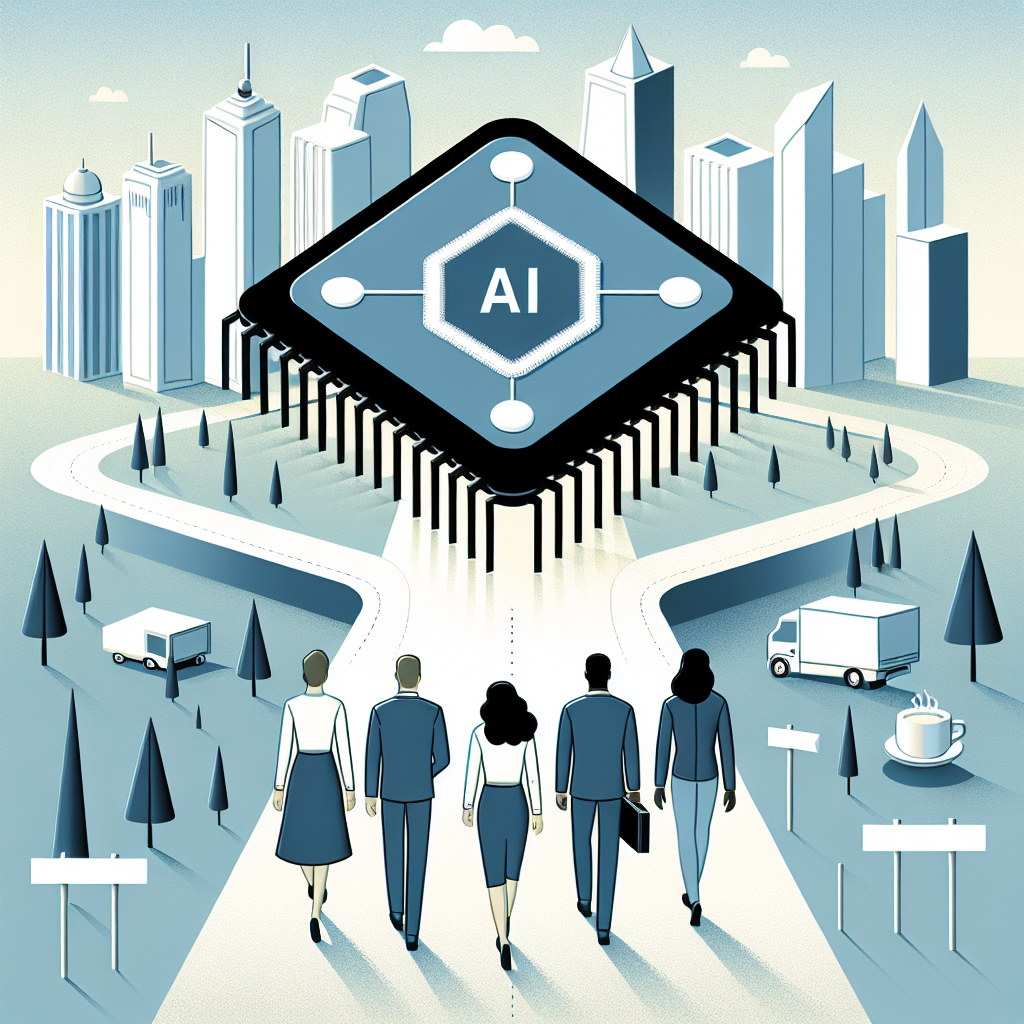
The rapid advancement of technology has always kept product managers on their toes, but the introduction of Artificial Intelligence (AI) and Machine Learning (ML) is set to revolutionize the field like never before. By 2025, these technologies will not only streamline processes but will also redefine what it means to manage products effectively. As we delve into this transformative journey, we will explore how AI and ML will shape product management, enhance decision-making, and foster innovation.
The Rise of Data-Driven Decision Making
In an era where data is often referred to as the new oil, leveraging it effectively is crucial for product managers. According to a report by McKinsey, companies that embrace data-driven decision-making are 23 times more likely to acquire customers and 19 times more likely to be profitable. AI and ML enable product managers to sift through vast amounts of data, uncovering insights that would be nearly impossible to detect manually.
Enhanced Customer Insights
AI tools can analyze customer behavior at an unprecedented scale, providing product managers with real-time feedback on user interactions. For instance, platforms like Amplitude and Mixpanel utilize machine learning algorithms to track user journeys and predict future behaviors. This allows product managers to tailor features and functionalities to meet customer needs more precisely, ultimately leading to higher satisfaction and retention rates.
Automating Routine Tasks
As product management often involves juggling multiple tasks, automation powered by AI and ML can significantly enhance efficiency. Routine activities such as data entry, report generation, and even initial customer support can be handled by AI tools, freeing up valuable time for product managers to focus on strategic initiatives.
AI-Driven Project Management Tools
Tools like Jira and Trello are already incorporating AI capabilities to suggest task prioritization and resource allocation based on historical data and team performance. By 2025, we can expect these tools to become even more sophisticated. For example, AI could predict project risks and suggest proactive measures, allowing product managers to mitigate issues before they escalate.
Predictive Analytics and Market Trends
Understanding market trends and predicting future success is vital for any product manager. AI and ML algorithms can analyze current market data alongside historical trends to forecast demand and identify emerging opportunities. A study by Gartner indicates that by 2025, 75% of organizations will be using AI to improve their business processes, including product management.
Real-World Applications
Consider Netflix, which employs machine learning algorithms to analyze viewer habits and recommend content. This approach not only enhances user experience but also informs the company about what type of original content to produce next. Similarly, product managers can utilize predictive analytics to make informed decisions about product features, pricing strategies, and launch timing, ensuring they stay ahead of the competition.
Fostering Innovation Through AI Collaboration
The integration of AI in product management will not only optimize existing processes but also foster a culture of innovation. AI can help teams brainstorm and prototype new ideas by analyzing market gaps and consumer pain points, thus accelerating the innovation cycle.
Collaborative AI Tools
Imagine a scenario where a product team collaborates with an AI system capable of generating design ideas based on customer feedback and market analysis. Tools like OpenAI’s Codex are already paving the way for such collaborations, enabling product managers to explore creative avenues they might not have considered otherwise. By 2025, these collaborative AI tools will become integral to the product development process, driving creativity and efficiency.
Conclusion: Embracing the Change
The future of product management is poised for transformation, with AI and machine learning leading the charge. As product managers, it is essential to embrace these technologies not just as tools, but as partners in the product development journey. By leveraging data-driven insights, automating routine tasks, predicting market trends, and fostering innovation, product managers can navigate the complexities of the modern marketplace with confidence.
To prepare for this future, consider the following actionable takeaways:
- Invest in training programs to enhance your team’s understanding of AI and ML.
- Explore AI-driven tools that can streamline your workflows and improve decision-making.
- Stay informed about market trends and advancements in AI technology.
- Encourage a culture of innovation by integrating AI in brainstorming sessions and product development.
By proactively adapting to these changes, product managers will not only enhance their roles but also drive their organizations toward greater success in the ever-evolving landscape of product management.