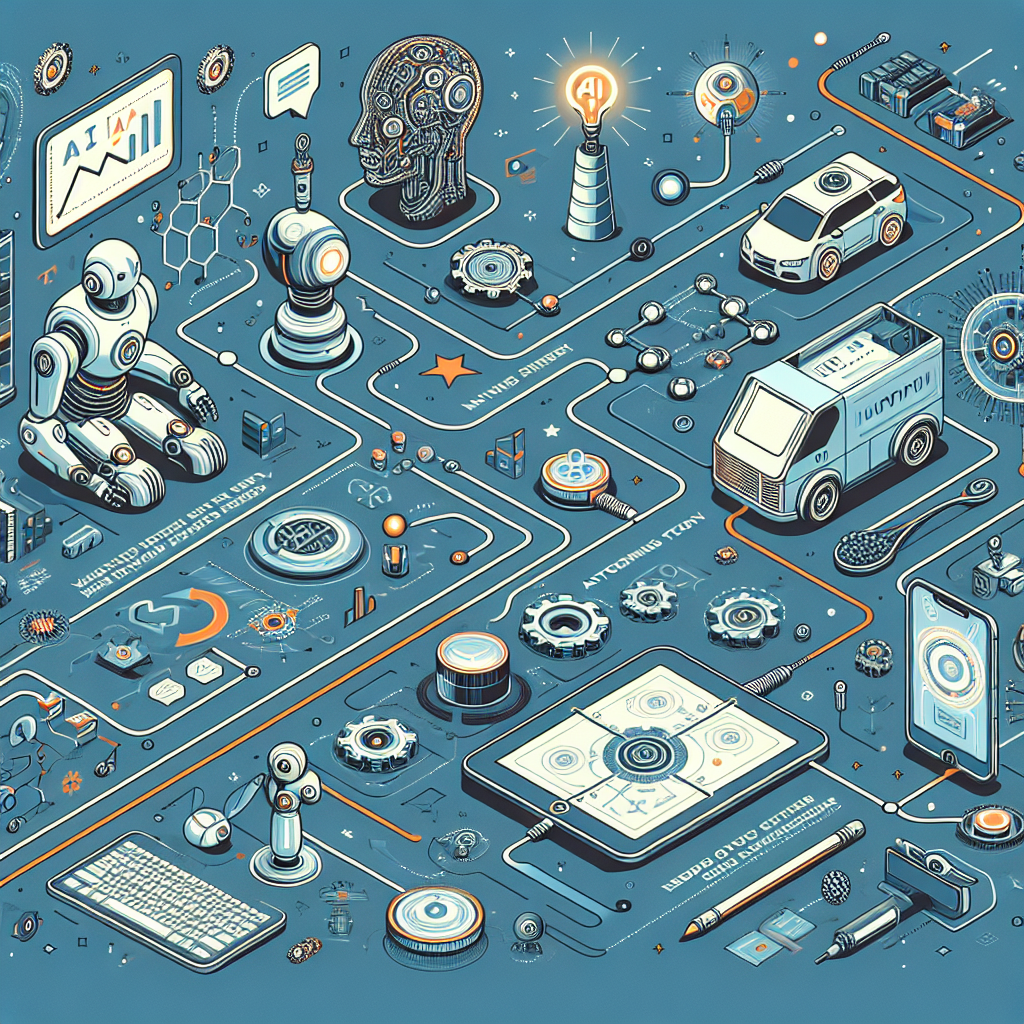
Navigating the Future: Key Business Strategies to Embrace AI and Automation in 2024
As we step into 2024, the rapid evolution of technology is reshaping the way businesses operate. Artificial Intelligence (AI) and automation are no longer just buzzwords; they are essential tools that companies must adopt to stay competitive. From streamlining operations to enhancing customer experiences, the integration of AI and automation is a game-changer. This blog post explores key strategies businesses should embrace to effectively navigate the future landscape shaped by these technologies.
Understanding the Role of AI and Automation
Before diving into strategies, it's crucial to understand what AI and automation entail. AI refers to the simulation of human intelligence processes by machines, especially computer systems. This includes learning, reasoning, and self-correction. Automation, on the other hand, involves using technology to perform tasks with minimal human intervention.
The global AI market is projected to reach $190.61 billion by 2025, growing at a compound annual growth rate (CAGR) of 36.62% from 2020, according to a report by Markets and Markets. This explosive growth underscores the importance of integrating these technologies into business strategies. Companies that leverage AI can expect to improve their efficiency, reduce costs, and enhance decision-making processes, thereby gaining a competitive edge.
1. Identifying High-Impact Areas for AI and Automation
Streamlining Operations
One of the first steps in integrating AI and automation is identifying areas where these technologies can have the most significant impact. For example, manufacturing companies can utilize AI for predictive maintenance, reducing downtime by forecasting equipment failures before they occur. According to a report by McKinsey, predictive maintenance can reduce maintenance costs by 20% to 25%.
Enhancing Customer Experience
Another critical area is customer service. Chatbots and virtual assistants powered by AI can handle customer inquiries 24/7, providing instant responses and freeing up human agents for more complex issues. A study by Gartner indicates that by 2025, 75% of customer service interactions will be powered by AI, highlighting the need for businesses to invest in these technologies to improve customer satisfaction.
2. Investing in the Right Tools and Technologies
Once businesses identify the areas for AI and automation, the next step is to invest in the right tools. This involves choosing the right software and platforms that align with business goals. For instance, companies can leverage machine learning platforms like TensorFlow or data analytics tools such as Google Analytics to gather insights and make data-driven decisions.
Moreover, businesses should consider cloud-based solutions for scalability. According to a report by Deloitte, organizations that adopt cloud technology are 1.6 times more likely to achieve their business goals. The flexibility of cloud solutions allows businesses to scale their AI solutions as needed without significant upfront investments.
3. Prioritizing Workforce Training and Development
Integrating AI and automation into business processes doesn't mean that the human workforce becomes obsolete. In fact, the success of these technologies heavily relies on a skilled workforce that can manage and work alongside AI. Companies should prioritize training and development programs to equip employees with the necessary skills.
For example, organizations can offer workshops on data analysis, machine learning, and AI ethics. According to McKinsey, organizations that invest in employee training see 218% higher income per employee and 24% higher profit margins. By fostering a culture of learning, businesses can ensure that their workforce is prepared to embrace the changes brought about by AI and automation.
4. Measuring Success and Adapting Strategies
Finally, businesses must continuously measure the success of their AI and automation initiatives. This involves setting clear KPIs (Key Performance Indicators) to evaluate the impact of these technologies on operations and customer engagement. For instance, businesses can track metrics such as customer satisfaction scores, operational efficiency, and cost savings.
Moreover, organizations should remain agile. The landscape of AI and automation is constantly evolving, and businesses must be willing to adapt their strategies. This might involve experimenting with new AI tools, gathering feedback from employees, and being open to pivoting when necessary. According to a PwC report, companies that are agile in their approach are 1.7 times more likely to outperform their peers in terms of revenue growth.
Conclusion: Embracing the Future
As we navigate the complexities of 2024, embracing AI and automation is no longer optional; it is imperative for success. By identifying high-impact areas, investing in the right tools, prioritizing workforce development, and measuring success, businesses can harness the power of these technologies to drive growth and innovation.
In summary, here are actionable takeaways for businesses looking to embrace AI and automation:
- Identify operational bottlenecks where AI can have the most significant impact.
- Invest in scalable, cloud-based AI solutions that align with your business goals.
- Prioritize employee training to ensure your workforce is equipped to work alongside AI technologies.
- Set measurable KPIs to track the success of your AI initiatives and be prepared to adapt your strategies as needed.
By taking these steps, businesses can not only thrive in the current landscape but also position themselves as leaders in the future, ready to embrace the opportunities that AI and automation bring.