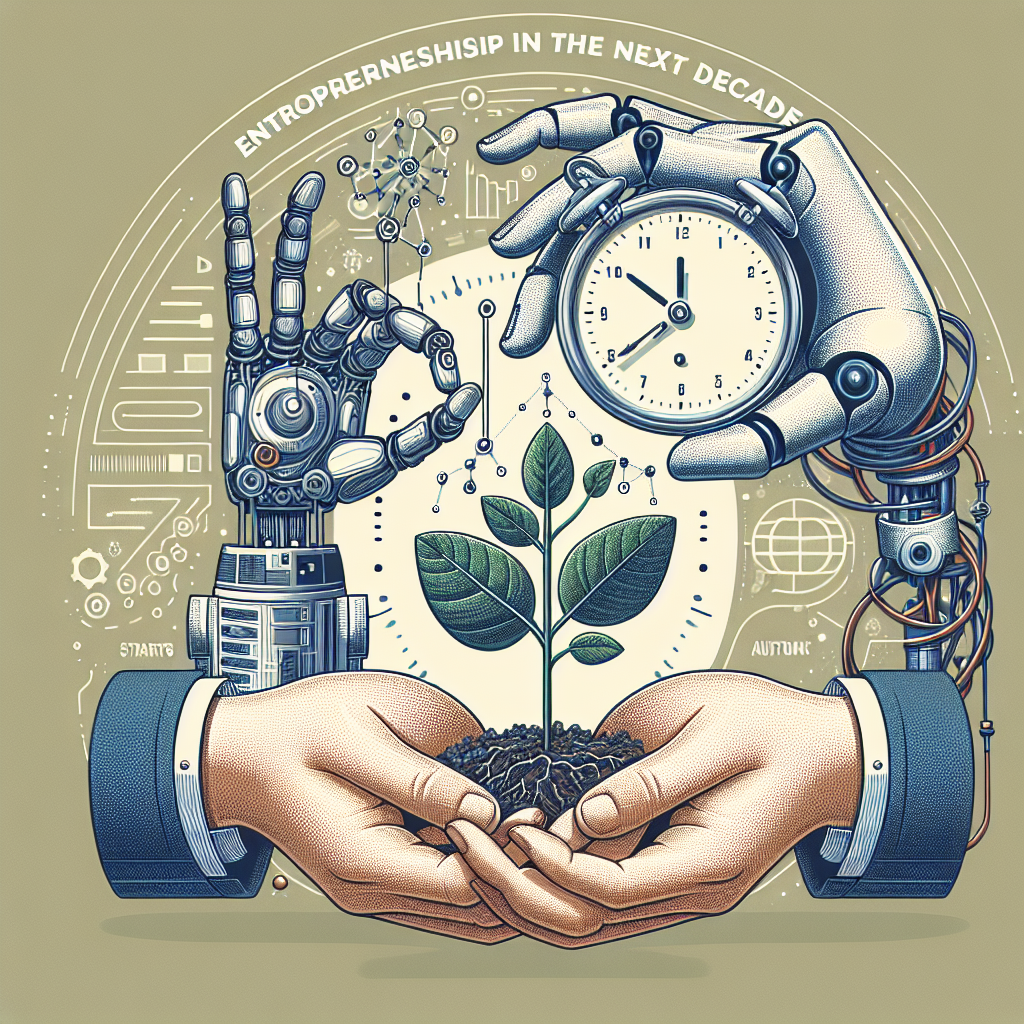
Navigating the Future: Top 5 Emerging Trends Shaping the Startup Landscape in 2024
As we step into 2024, the startup ecosystem is buzzing with innovation and transformation. Entrepreneurs are not only adapting to the ever-evolving digital landscape but are also pioneering new ideas that can potentially reshape entire industries. Understanding these emerging trends is crucial for startups aiming to thrive in a competitive environment. Here, we explore five key trends that are set to define the startup landscape in 2024.
1. Emphasis on Sustainability and Ethical Practices
In recent years, consumers have become increasingly aware of environmental issues and ethical practices. This trend is not just a fleeting moment; it’s a fundamental shift in consumer behavior. A 2021 report by McKinsey found that 67% of consumers consider sustainability when making a purchase. Startups in 2024 will need to prioritize sustainable business models and create products that are environmentally friendly or socially responsible to capture the attention of conscious consumers.
How to Adapt
Startups should evaluate their supply chains and consider eco-friendly alternatives. Engaging in transparent practices and promoting sustainability in marketing can enhance brand loyalty. Companies like Allbirds and Patagonia serve as prime examples of how sustainability can be integrated into a business model while still achieving significant market success.
2. The Rise of Remote and Hybrid Work Models
The COVID-19 pandemic accelerated the trend toward remote work, and in 2024, hybrid work models are expected to become the norm. A report from Gartner indicates that 47% of companies plan to allow employees to work remotely full-time post-pandemic. Startups will need to develop strategies that accommodate flexible work arrangements while maintaining productivity and team cohesion.
Key Strategies for Startups
Implementing collaboration tools like Slack or Microsoft Teams can foster communication among remote teams. Additionally, startups should focus on creating a strong company culture that encourages inclusivity and engagement, regardless of physical location. Regular virtual team-building activities can help strengthen relationships among team members.
3. Artificial Intelligence and Automation
Artificial intelligence (AI) and automation technologies are no longer just buzzwords; they have become integral to operational efficiency and customer engagement. According to a report by PwC, AI could contribute up to $15.7 trillion to the global economy by 2030. Startups leveraging AI for data analysis, customer service, and operational processes will have a significant competitive edge in 2024.
Implementing AI Effectively
Startups should identify specific pain points in their operations that can be alleviated through AI. For instance, chatbots can enhance customer service, while AI-powered analytics tools can provide insights into consumer behavior. Companies like Drift and ChatGPT have successfully demonstrated how AI can enhance user experience and streamline business processes.
4. The Growth of Health Tech and Telemedicine
The pandemic brought health technology to the forefront, and the trend continues to gain momentum. The global telemedicine market is projected to reach $459.8 billion by 2030, according to Grand View Research. Startups in 2024 that focus on health tech, telemedicine, and wellness solutions are likely to capitalize on an expanding market driven by a growing demand for convenient healthcare access.
Opportunities in Health Tech
Startups can explore telehealth platforms, fitness technology, mental health apps, and other innovative solutions that address healthcare challenges. Building partnerships with healthcare providers can enhance credibility and broaden market reach. Companies like Teladoc Health have successfully harnessed technology to deliver healthcare services efficiently and effectively.
5. Web3 and Decentralized Technologies
The rise of blockchain technology and Web3 is reshaping how businesses operate, offering new opportunities for startups. Web3 emphasizes decentralization, transparency, and user ownership of data. A report from Consensys indicates that the number of active Ethereum wallets has surged to over 200 million, reflecting a growing interest in decentralized applications.
Exploring Web3 Opportunities
Startups can leverage blockchain for various applications, from supply chain transparency to decentralized finance (DeFi). Creating decentralized applications (dApps) or exploring non-fungible tokens (NFTs) can attract tech-savvy consumers. Innovators like OpenSea and Uniswap are leading the charge in the Web3 space, demonstrating the potential for new business models.
Conclusion: Embrace Change and Innovate
As we navigate through 2024, it’s clear that the startup landscape is undergoing significant transformations. By embracing sustainability, adapting to new work models, leveraging AI, exploring health tech, and diving into the world of Web3, entrepreneurs can position themselves for success. The key takeaway for startups is to remain agile and open to innovation, continually seeking opportunities to meet the evolving needs of consumers.
In this fast-paced environment, staying informed about emerging trends and being willing to pivot will be essential. With the right strategies and a forward-thinking mindset, startups can not only survive but thrive in the exciting landscape of 2024.