Sustainable Growth: How Circular Economy Trends Will Shape Tomorrow's Business Landscape
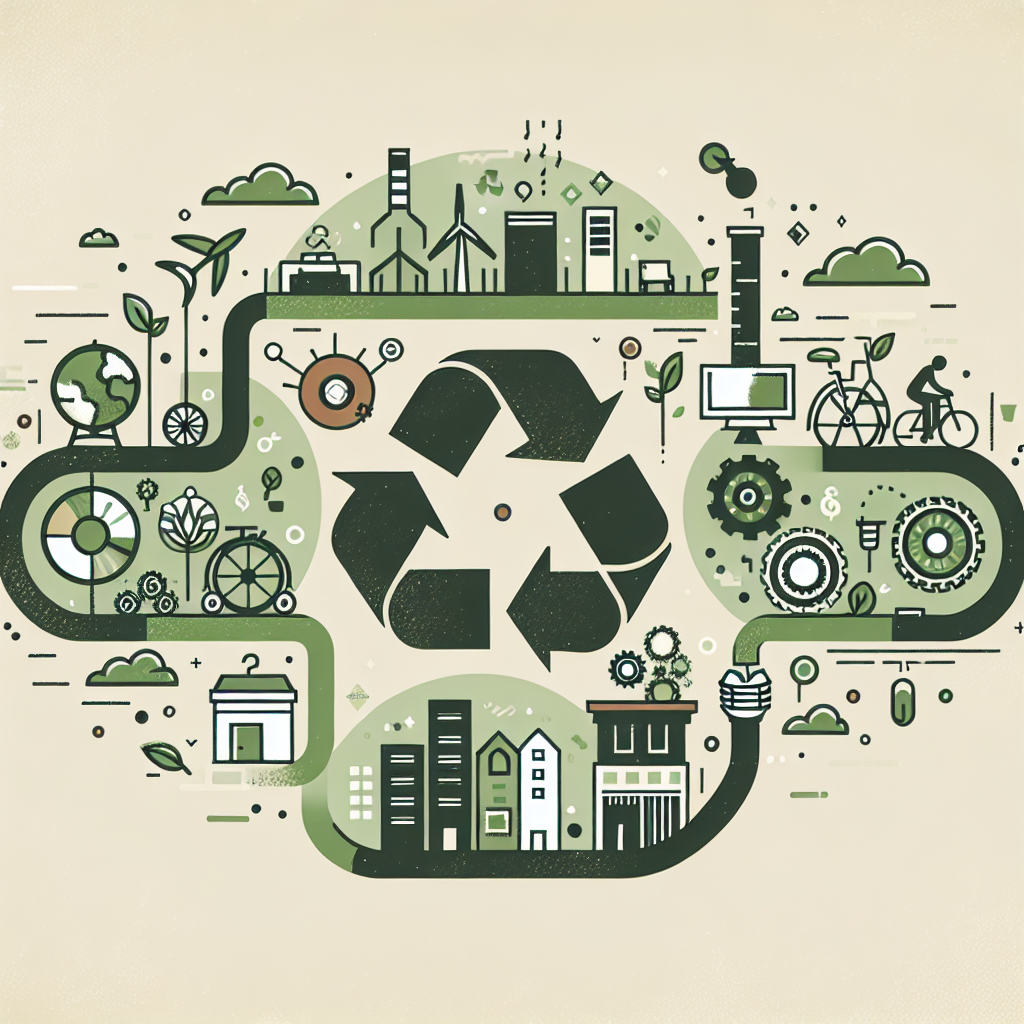
In an era where environmental concerns are at the forefront of global discourse, businesses are re-evaluating their operational models to align with sustainable practices. One of the most promising concepts emerging from this shift is the circular economy—a transformative approach that challenges the traditional linear model of 'take, make, dispose'. Instead, it emphasizes the need for sustainable growth by ensuring that resources are reused, recycled, and regenerated. As we delve deeper into the circular economy, it’s clear that its trends will significantly shape tomorrow's business landscape.
Understanding the Circular Economy
The circular economy is more than just a buzzword; it’s a strategic framework designed to create sustainable value. According to the Ellen MacArthur Foundation, the circular economy can reduce global carbon emissions by an estimated 70% by 2050, while also creating new jobs and stimulating economic growth. Unlike the traditional linear economy, where products are created, used, and discarded, a circular economy focuses on product life extension, resource efficiency, and waste minimization.
Key Principles of the Circular Economy
At its core, the circular economy is built on three key principles:
- Design for Longevity: Products should be designed to last longer and be easily repairable. For instance, companies like Patagonia have embraced this principle by offering repair services and encouraging customers to buy used products.
- Resource Recovery: This involves recovering valuable materials from products at the end of their life cycle. The recycling initiatives by companies like Interface, which reclaims old carpets to create new flooring, exemplify this principle.
- Systems Thinking: A circular economy requires a holistic view of how products, services, and systems interact. Businesses must consider the entire lifecycle of their products and their impact on the environment.
The Business Case for Circular Economy
Transitioning to a circular economy is not just an ethical choice; it’s a smart business decision. A report by Accenture indicates that companies adopting circular practices can achieve up to a 30% reduction in costs. This is largely due to increased efficiency and reduced reliance on finite resources.
Cost Savings and Revenue Generation
One compelling example is Unilever, which has committed to making all of its plastic packaging recyclable, reusable, or compostable by 2025. This not only positions them as an environmentally responsible brand but also opens up new revenue streams through innovative packaging solutions. By rethinking their supply chain, businesses can significantly reduce waste and enhance profitability.
Consumer Demand for Sustainability
Today’s consumers are increasingly eco-conscious. Research from Nielsen shows that 66% of global consumers are willing to pay more for sustainable brands. Companies that embrace circular economy principles can differentiate themselves in a crowded market. For instance, the fashion brand Eileen Fisher has implemented take-back programs that allow customers to return old clothing for recycling or resale, thereby fostering brand loyalty and attracting environmentally minded consumers.
Challenges and Solutions in Implementation
While the benefits of adopting circular economy practices are clear, the transition is not without challenges. Many businesses face obstacles such as the initial investment costs, lack of consumer awareness, and the need for new business models.
Overcoming Initial Investment Hurdles
Investing in circular practices may seem daunting, particularly for small to medium-sized enterprises (SMEs). However, there are government grants and incentives available to support these transitions. Moreover, partnerships with other organizations can help share the financial burden and increase the efficiency of resource use.
Educating Consumers
Another significant barrier is consumer understanding of circular economy principles. Businesses must take an active role in educating their customers about the benefits of sustainable practices. Utilizing social media campaigns, workshops, and collaborations with influencers can effectively raise awareness and promote circular initiatives.
Future Trends Shaping the Circular Economy
As we look ahead, several trends are poised to define the future of the circular economy and its impact on business operations.
Technological Innovations
Advancements in technology, such as blockchain and IoT, are set to enhance transparency and traceability in supply chains. Companies can leverage these technologies to track the lifecycle of products and ensure they meet sustainability standards. For example, the use of blockchain can help verify the sourcing of recycled materials, thereby building consumer trust.
Collaboration Across Industries
Collaboration will be essential in the circular economy. Companies must work together across sectors to create shared value. Initiatives like the New Plastics Economy Global Commitment, which unites businesses, governments, and NGOs, aim to tackle plastic pollution through collective action.
Conclusion: Actionable Takeaways for Businesses
Embracing the circular economy is not merely a trend; it is a necessary evolution in the business landscape. Companies that adapt to these changes will not only enhance their sustainability credentials but also drive profitability and innovation. Here are actionable takeaways for businesses looking to transition to a circular economy:
- Assess your current business model and identify areas for improvement in resource management.
- Engage stakeholders in the conversation about sustainability, from suppliers to consumers.
- Invest in technology that supports circular practices and enhances supply chain transparency.
- Educate your customers about the benefits of circular economy principles and involve them in your sustainability journey.
By taking these steps, businesses can contribute to a more sustainable future while securing their place in tomorrow's economy. The circular economy is not just a trend; it’s the pathway to resilient and responsible growth.