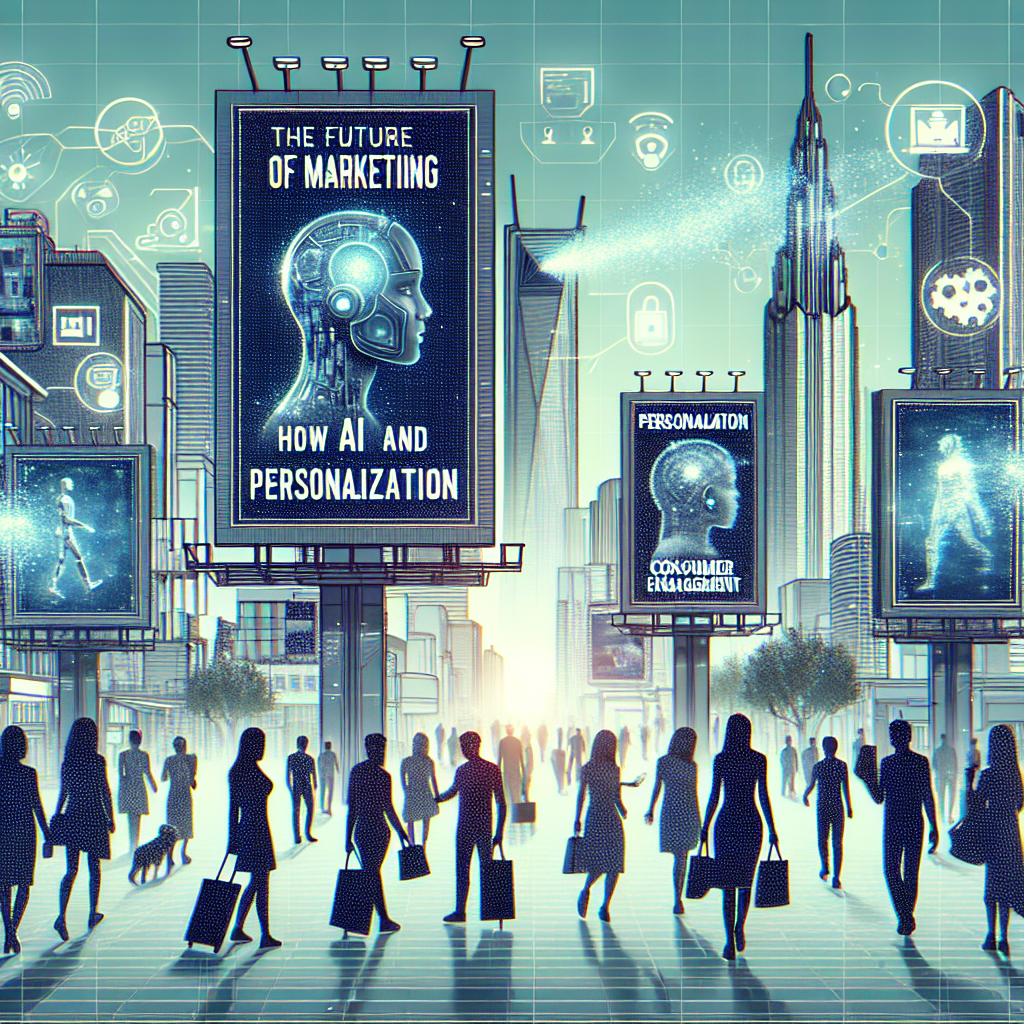
The Future of Marketing: How AI and Personalization Will Redefine Consumer Engagement
In today’s fast-paced digital landscape, marketing is undergoing a seismic shift. Traditional methods that once dominated the industry are gradually giving way to innovative technologies and personalized experiences. As artificial intelligence (AI) continues to evolve, it is reshaping how brands connect with consumers, making engagement more tailored and effective than ever before. In this blog post, we’ll explore the future of marketing by examining how AI and personalization are set to redefine consumer engagement.
The Rise of AI in Marketing
Artificial intelligence is no longer just a buzzword; it is a game-changer in the marketing sector. According to a report by Salesforce, 84% of marketers are already using AI in some capacity. From chatbots to predictive analytics, AI empowers businesses to automate processes, analyze data, and gain insights into consumer behavior.
Enhanced Data Analysis
One of the most significant advantages of AI is its ability to process vast amounts of data quickly and accurately. AI algorithms can analyze consumer behavior across different platforms, allowing brands to understand their audience better. For instance, Netflix uses AI to analyze viewing habits, which informs its recommendations and content production strategies. This level of data-driven decision-making leads to more effective marketing campaigns and higher consumer satisfaction.
Personalization: The New Norm
In an era where consumers are bombarded with marketing messages, personalization is no longer a luxury; it’s a necessity. According to Epsilon, 80% of consumers are more likely to make a purchase when brands offer personalized experiences. AI plays a crucial role in delivering these tailored interactions.
Dynamic Content Creation
With the help of AI, marketers can create dynamic content that adjusts in real-time based on user interactions. For example, email marketing platforms like Mailchimp leverage AI to analyze engagement metrics, enabling brands to send personalized messages that resonate with individual preferences. This level of customization increases open and click-through rates, ultimately boosting conversion rates.
Predictive Personalization
Predictive analytics is another powerful application of AI in marketing. By analyzing past consumer behavior, AI can forecast future actions and preferences. Amazon is a prime example of this, as its recommendation engine suggests products based on previous purchases and browsing history. This not only enhances the shopping experience but also drives revenue through targeted suggestions.
The Importance of Customer Engagement
Engagement is at the heart of successful marketing strategies. Today’s consumers expect brands to understand their needs, preferences, and pain points. AI-driven personalization fosters deeper connections, resulting in increased customer loyalty and lifetime value.
Building Trust Through Transparency
As brands leverage AI for personalization, transparency becomes paramount. Consumers are increasingly aware of how their data is used, and they demand ethical practices. Companies that prioritize privacy and openly communicate their data usage policies will gain consumer trust. A study by Pew Research found that 79% of Americans are concerned about how companies use their data. Thus, brands must strike a balance between personalization and privacy to maintain credibility.
Challenges and Considerations
While the integration of AI and personalization offers tremendous benefits, it is not without its challenges. Brands must ensure that they have the right technology in place to harness AI effectively. Additionally, there is a risk of over-personalization, where consumers feel uncomfortable with the extent of data usage. Striking the right balance is crucial.
Investing in the Right Tools
To navigate these challenges, businesses should invest in robust AI tools that enable effective data analysis and customer insights. Platforms like HubSpot and Adobe Experience Cloud offer comprehensive solutions for marketers looking to implement AI-driven strategies. Training staff to leverage these tools effectively is equally important in maximizing their potential.
Final Thoughts: Embracing the Future of Marketing
The future of marketing is bright, with AI and personalization leading the charge. As technology continues to advance, brands must adapt to meet the evolving expectations of consumers. By investing in AI, focusing on personalized experiences, and maintaining transparency, companies can redefine consumer engagement in a way that fosters loyalty and drives success.
As marketers, the actionable takeaways are clear: embrace AI as a core part of your strategy, prioritize personalization to create meaningful connections, and remain transparent about data usage. The brands that succeed in these areas will not only enhance their marketing efforts but will also build lasting relationships with their consumers in an increasingly competitive landscape.