The Future of Marketing: How AI and Personalization Will Shape Consumer Experiences in 2024 and Beyond
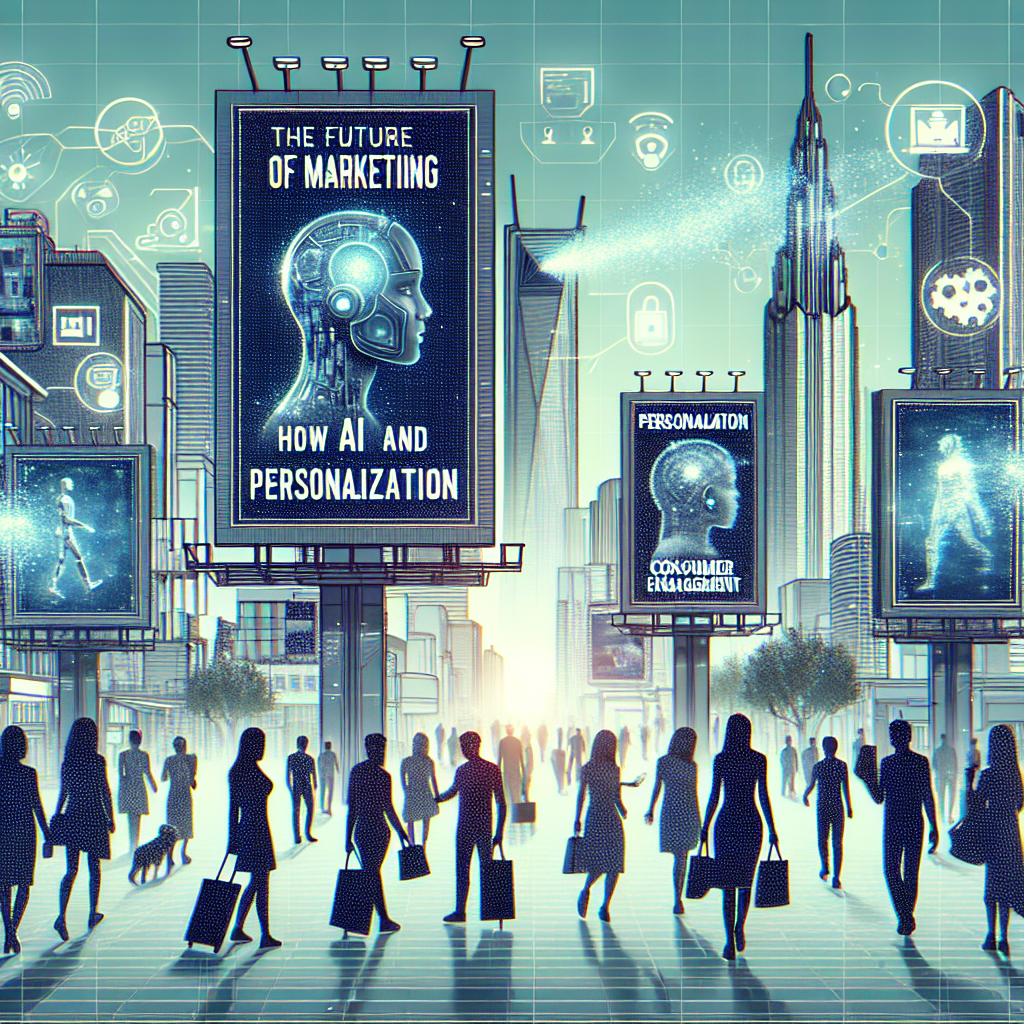
As we venture into 2024, the marketing landscape is poised for a significant transformation, driven by advancements in artificial intelligence (AI) and a growing emphasis on personalization. With consumers increasingly expecting tailored experiences, businesses must adapt to meet these evolving demands. This blog post explores how AI and personalization will shape consumer experiences in the coming years, highlighting key trends and strategies that marketers should embrace to stay competitive.
The Rise of AI in Marketing
Artificial intelligence is no longer a futuristic concept; it's a reality that's already reshaping how businesses engage with their audiences. According to a report by McKinsey, companies that integrate AI into their marketing efforts can see a 20% increase in sales. This shift is largely attributed to AI's ability to analyze vast amounts of data quickly, enabling brands to gain deeper insights into consumer behavior.
Predictive Analytics and Customer Insights
One of the most impactful applications of AI in marketing is predictive analytics. By leveraging machine learning algorithms, businesses can analyze past consumer behavior to forecast future trends. For instance, Netflix employs predictive analytics to recommend content based on a user’s viewing history, effectively personalizing the user experience. This level of insight allows marketers to tailor their strategies and optimize campaigns, ensuring they resonate with their target audience.
Chatbots and Customer Engagement
Chatbots, powered by AI, are revolutionizing customer engagement by providing instant support and personalized interactions. In 2022, a study by Juniper Research estimated that chatbots would save businesses over $8 billion annually by 2024 through improved customer service. These virtual assistants can handle inquiries 24/7, offering personalized recommendations and support based on user data. As chatbots become more sophisticated, businesses that implement them effectively will likely see improved customer satisfaction and loyalty.
The Importance of Personalization
Personalization is no longer just a marketing trend; it's an expectation. A 2023 survey by Epsilon found that 80% of consumers are more likely to make a purchase when brands offer personalized experiences. This highlights the critical role that tailored marketing plays in driving consumer engagement and conversion rates.
Segmentation and Targeted Marketing
Effective personalization begins with segmentation. By dividing their audience into distinct groups based on demographics, behaviors, and preferences, marketers can create targeted campaigns that speak directly to each segment's unique needs. For example, online retailers like Amazon excel at this by using browsing and purchase history to recommend products tailored to individual customers. This not only enhances the shopping experience but also increases the likelihood of conversion.
Dynamic Content and User Experience
Another vital aspect of personalization is dynamic content. Websites and emails can now be customized in real-time to reflect the preferences and behaviors of individual users. For instance, if a consumer frequently browses eco-friendly products, a brand’s website may highlight sustainability-focused items when they log in. This tailored approach not only improves user experience but also fosters a deeper connection between the consumer and the brand.
Emerging Trends: The Intersection of AI and Personalization
As we look toward the future, several emerging trends illustrate how AI and personalization will intersect to transform consumer experiences further.
Voice Search and AI Assistants
With the proliferation of smart speakers and voice-activated devices, voice search is becoming increasingly prevalent. According to Statista, the number of voice assistants worldwide is expected to reach 8.4 billion by 2024. Marketers must optimize their content for voice search, ensuring that it aligns with conversational queries. Personalizing responses through AI will enhance user experience and improve brand visibility in this new search paradigm.
Augmented Reality (AR) and Virtual Reality (VR)
AR and VR technologies are also set to play a crucial role in personalized marketing. Brands like IKEA have already adopted AR to allow customers to visualize furniture in their homes before making a purchase. This level of personalization not only enhances the customer experience but also reduces return rates. As AR and VR technologies become more accessible, we can expect more brands to leverage them to create immersive, personalized shopping experiences.
Conclusion: Adapting to the Future of Marketing
As we move into 2024 and beyond, the integration of AI and personalization in marketing will be paramount to delivering exceptional consumer experiences. Businesses that embrace these technologies will not only meet consumer expectations but also gain a competitive edge in the marketplace.
To adapt to this evolving landscape, marketers should focus on:
- Investing in AI tools for data analysis and customer insights.
- Implementing chatbots to enhance customer engagement and support.
- Creating targeted marketing campaigns through effective segmentation.
- Personalizing content dynamically to cater to individual user preferences.
- Exploring emerging technologies like voice search and AR/VR to enhance consumer experiences.
By taking these actionable steps, businesses can harness the power of AI and personalization to shape a future where consumer experiences are not just satisfactory but truly exceptional.