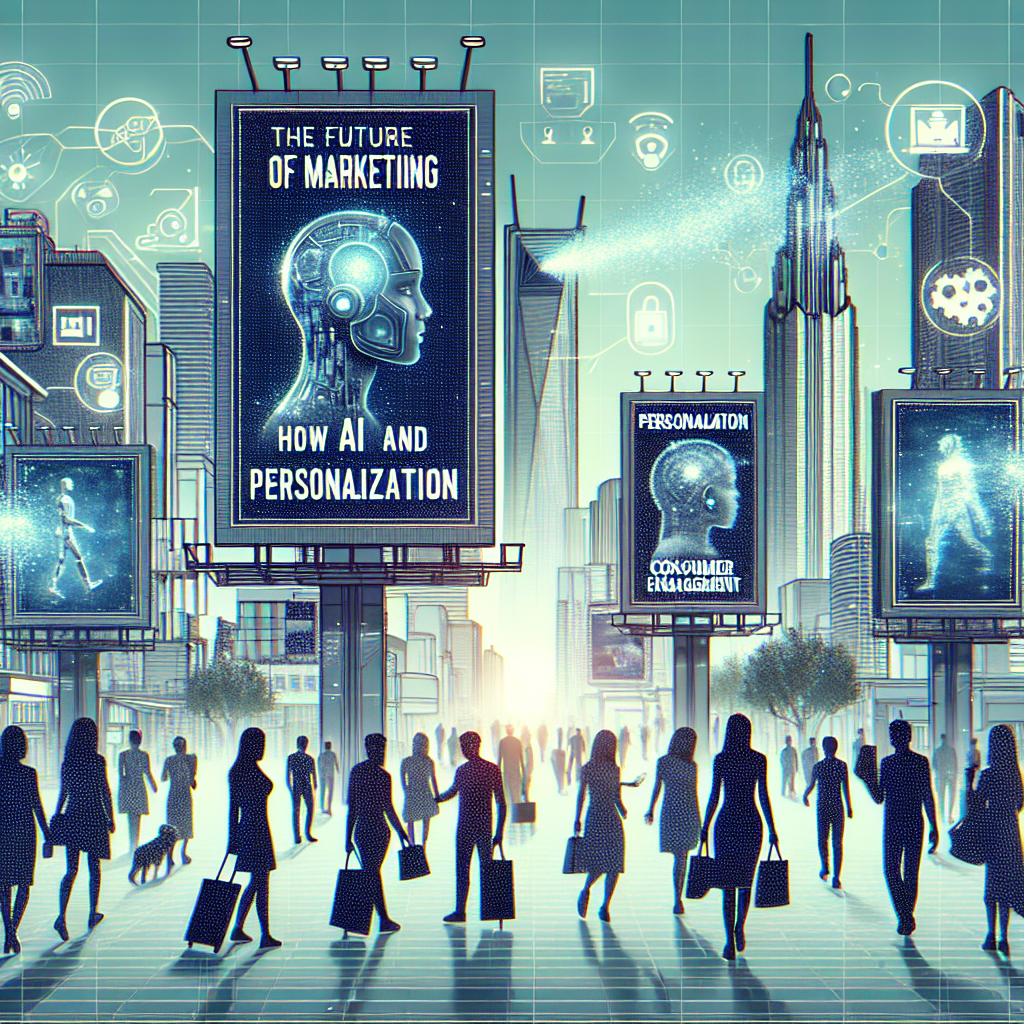
The Future of Marketing: Navigating the Metaverse and Beyond
The marketing landscape is undergoing a seismic shift, propelled by technological advancements and changing consumer behaviors. As we stand on the brink of a digital revolution, the metaverse emerges as a new frontier for brands eager to engage consumers in immersive experiences. But what does this mean for the future of marketing? How can businesses navigate this complex landscape to leverage new opportunities? In this post, we'll explore the metaverse, its implications for marketing, and the strategies brands can adopt to remain relevant in an ever-evolving digital world.
Understanding the Metaverse
The term "metaverse" refers to a collective virtual space where users can interact with a computer-generated environment and other users in real-time. Picture a blend of augmented reality (AR), virtual reality (VR), and the internet, creating an expansive digital universe. According to a report by Bloomberg Intelligence, the metaverse could become a $800 billion market by 2024, highlighting its immense potential for businesses.
The Rise of Virtual Worlds
Brands such as Nike and Gucci have already started exploring the metaverse, creating virtual sneakers and fashion lines that consumers can purchase for their avatars. These virtual goods, often sold as NFTs (non-fungible tokens), allow brands to tap into the growing interest in digital ownership and identity. As gaming platforms like Roblox and Fortnite continue to thrive, they provide fertile ground for marketing initiatives aimed at younger audiences who are more inclined to spend time in virtual environments.
Marketing Strategies for the Metaverse
To effectively navigate the metaverse, brands must adopt innovative marketing strategies that resonate with users on a personal level. Here are several approaches that can help businesses thrive in this new digital landscape:
1. Create Immersive Experiences
Traditional marketing campaigns often rely on static images and text. In the metaverse, however, brands can create dynamic, immersive experiences that engage users in unique ways. For example, consider hosting virtual events, product launches, or interactive brand experiences that allow consumers to explore and interact with your brand in a 3D environment. The more engaging the experience, the more likely users are to remember and share it with others.
2. Leverage Influencer Partnerships
Influencer marketing has proven effective in the traditional social media landscape, and this trend is expected to carry over into the metaverse. Collaborating with influential figures within virtual spaces can amplify your brand's reach and establish credibility. For instance, partnering with popular gamers or virtual influencers can help your brand connect with niche audiences and create authentic engagements.
3. Build Community and Foster Engagement
Community is at the heart of the metaverse experience. Brands should focus on building dedicated communities around their products or services, encouraging user-generated content, and fostering discussions. By creating spaces where users feel valued and heard, brands can enhance loyalty and drive word-of-mouth marketing. Consider hosting forums, workshops, or virtual meetups to strengthen connections with your audience.
Challenges and Considerations
While the metaverse presents exciting opportunities, it also comes with challenges that marketers must navigate. Privacy concerns, data security, and the digital divide are pressing issues that require careful consideration. Brands must ensure that their marketing practices comply with regulations and respect user privacy. Moreover, as the metaverse expands, marketers should remain mindful of accessibility, ensuring that their virtual experiences are inclusive for all users.
Staying Ahead of Trends
The digital landscape is dynamic, and trends can shift rapidly. To remain competitive, brands must stay informed about emerging technologies and consumer preferences. Engaging in continuous learning, attending industry conferences, and participating in metaverse-related discussions will help marketers stay ahead of the curve. Furthermore, experimenting with different formats and strategies will allow brands to find what resonates best with their audience.
Conclusion: Embracing the Future
The future of marketing is undoubtedly intertwined with the metaverse. As consumers increasingly seek immersive and interactive experiences, brands must adapt their strategies to meet these evolving demands. By creating engaging experiences, leveraging influencer partnerships, and fostering community, businesses can thrive in this new digital frontier.
As you embark on your metaverse marketing journey, remember to prioritize user experience, remain adaptable, and stay informed about the latest trends. The opportunities within this expansive digital universe are limitless for those willing to explore and innovate. Embrace the future of marketing, and position your brand as a leader in the metaverse and beyond.