The Future of Mobile Development: Embracing AI and Machine Learning for Smarter Apps
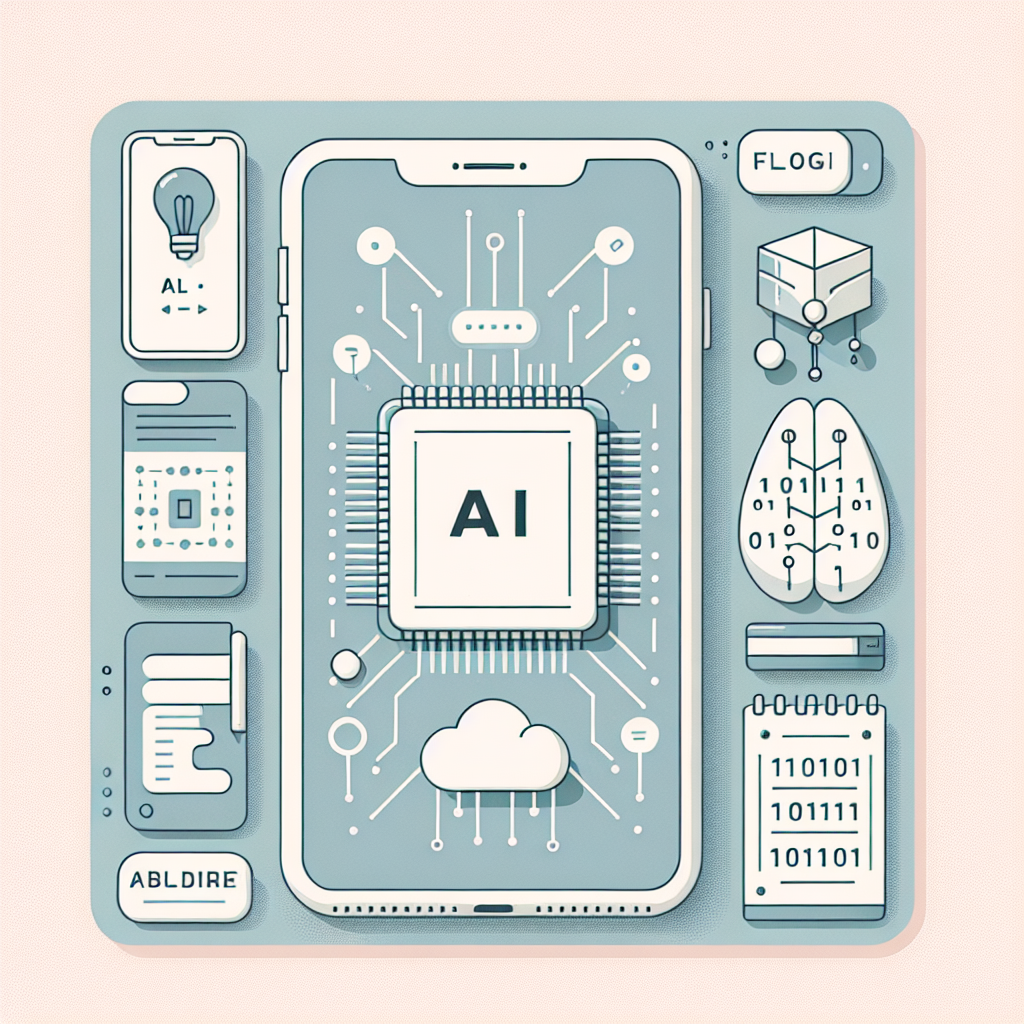
As technology continues to evolve at a breakneck pace, mobile development is at the forefront of this revolution, with artificial intelligence (AI) and machine learning (ML) leading the charge. The convergence of these innovations is not just a trend; it is reshaping how we interact with our devices, transforming simple applications into intelligent systems that learn, adapt, and optimize user experiences. In this blog post, we’ll explore the future of mobile development, highlighting how AI and ML are set to revolutionize app functionality and user engagement.
The Rise of AI and Machine Learning in Mobile Apps
In recent years, the incorporation of AI and ML into mobile applications has shifted from a novelty to a necessity. According to a report by Statista, the global AI market is expected to grow from $26.8 billion in 2022 to $126 billion by 2025, reflecting a significant investment in technologies that power smarter applications.
Mobile apps equipped with AI capabilities can analyze user behavior, predict needs, and offer personalized experiences. For instance, apps like Spotify and Netflix utilize machine learning algorithms to curate content suggestions tailored to individual preferences, enhancing user engagement and satisfaction.
Understanding User Behavior
AI algorithms analyze vast amounts of data to discern patterns in user behavior. This insight enables developers to create applications that respond effectively to user needs. For example, e-commerce apps can leverage ML to predict which products a user is likely to buy based on previous interactions, leading to more targeted marketing strategies and improved sales conversion rates.
Improving User Experience Through Personalization
The future of mobile apps lies in the ability to offer personalized experiences that cater to individual user preferences. AI and ML facilitate this by providing insights that help developers create tailored experiences.
Take the case of voice assistants such as Siri, Google Assistant, and Alexa. These applications learn from user interactions, improving their responses and functionality over time. This kind of personalization not only enhances user satisfaction but also fosters brand loyalty, as users feel more connected to an app that understands their preferences.
Real-World Examples of Personalization
Applications like Duolingo, a language-learning app, utilize machine learning to personalize lessons based on user performance. By adapting the difficulty level and content to the user’s learning pace, Duolingo ensures that users remain engaged and motivated. Such personalized strategies are becoming standard practices across various sectors, from health and fitness to finance.
Enhancing Security with AI and ML
As mobile applications become increasingly sophisticated, security remains a paramount concern. AI and ML can significantly enhance app security by identifying and mitigating threats in real-time. Machine learning algorithms can analyze patterns to detect fraudulent activities, providing an additional layer of protection for users.
For instance, banking applications are now incorporating AI-driven fraud detection systems that monitor transactions for unusual behavior. If an anomaly is detected, such as a transaction occurring in a different country while the user is elsewhere, the app can automatically trigger alerts or block transactions until confirmed by the user.
Future Security Trends
Moreover, biometric authentication methods, such as facial recognition or fingerprint scanning, are also being integrated into mobile apps, offering secure and convenient access. According to a report by Gartner, by 2025, 30% of organizations will use AI-enabled security solutions, demonstrating a clear trend towards smarter, more secure mobile applications.
The Role of AI in Development Efficiency
Beyond enhancing user experience and security, AI and ML are also streamlining the mobile development process itself. Tools powered by AI can automate routine coding tasks, freeing developers to focus on higher-level design and functionality. For instance, platforms like Microsoft’s Visual Studio IntelliCode utilize AI to suggest code completions based on best practices from thousands of projects.
Adopting Low-Code and No-Code Platforms
This shift towards automation is complemented by the rise of low-code and no-code development platforms. These platforms allow developers to create applications with minimal hand-coding, relying on AI to handle complex backend processes. As a result, businesses can accelerate their development cycles, reduce costs, and respond swiftly to changing market demands.
Conclusion: Preparing for an AI-Driven Future
As we look ahead, it’s clear that the integration of AI and machine learning into mobile development will continue to grow, creating smarter and more intuitive applications. For developers and businesses, embracing these technologies is not just about keeping up with trends; it’s about leading the way in offering unparalleled user experiences and robust security measures.
To prepare for this AI-driven future, developers should focus on:
- Staying informed about the latest AI and ML technologies and trends.
- Investing in training and upskilling to harness the potential of these tools.
- Prioritizing user-centric design and personalization in app development.
- Implementing robust security measures powered by AI to protect user data.
By proactively integrating AI and ML into mobile applications, developers can create solutions that not only meet the current demands of users but also anticipate their future needs, paving the way for a smarter, more connected world.