The Future of Mobile Development: Harnessing AI and Machine Learning to Create Smarter Apps
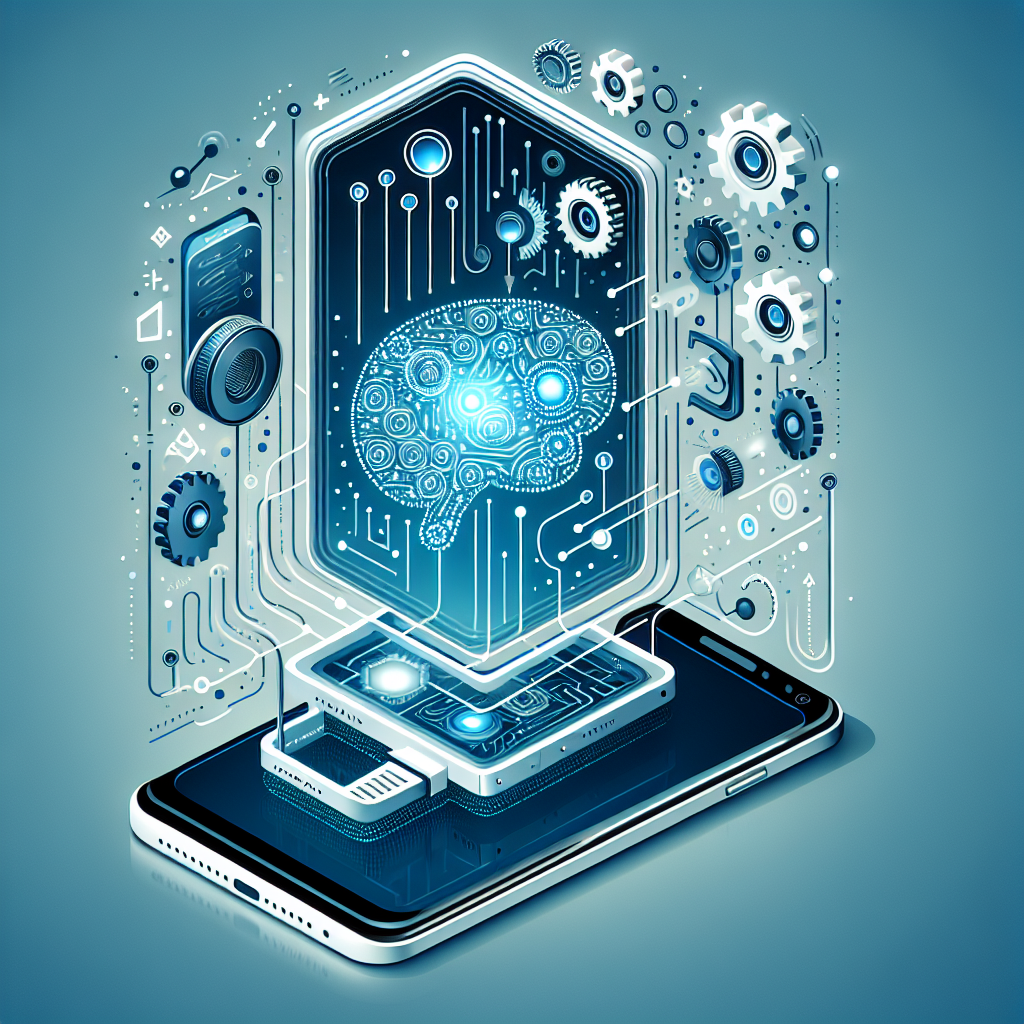
In the fast-paced world of technology, mobile development has evolved from simple applications to robust platforms that power our daily lives. With the rise of Artificial Intelligence (AI) and Machine Learning (ML), developers now have unprecedented opportunities to create smarter, more intuitive applications that not only meet user needs but also anticipate them. As we delve into the future of mobile development, we'll explore how these technologies are reshaping the landscape and what this means for developers and users alike.
The Integration of AI and ML in Mobile Apps
AI and ML are no longer just buzzwords; they are integral components of modern mobile applications. By analyzing data patterns and user behaviors, these technologies enable apps to deliver personalized experiences. For instance, apps like Spotify and Netflix use ML algorithms to analyze user preferences, creating tailored playlists and movie recommendations. According to a report by McKinsey, companies that leverage AI can increase their profitability by 38% by 2035, highlighting the immense potential of these technologies in mobile development.
Enhancing User Experience through Personalization
One of the most exciting applications of AI and ML in mobile development is personalization. Apps can now analyze vast amounts of data to understand user behavior deeply. For example, e-commerce platforms like Amazon utilize AI to provide personalized shopping experiences, recommending products based on past purchases and browsing history. This not only enhances user satisfaction but also drives sales, as users are more likely to engage with content that resonates with their preferences.
Improving App Functionality with Predictive Analytics
Predictive analytics powered by AI and ML allows mobile applications to forecast user needs and trends. This capability can significantly improve app functionality, making them not just reactive but proactive. For instance, travel apps such as Google Maps leverage real-time data and historical trends to suggest optimal routes, taking traffic patterns into account. Such features not only save time for users but also enhance the overall utility of the app.
Real-World Applications of Predictive Analytics
Consider the healthcare sector, where mobile apps are transforming patient care. Apps like MySugr leverage predictive analytics to help users manage diabetes by predicting blood sugar levels based on food intake and activity levels. This proactive approach empowers users to make informed decisions about their health, showcasing how AI and ML can lead to better outcomes in critical areas of life.
Streamlining Development Processes with AI Tools
Beyond enhancing user experiences, AI and ML are revolutionizing the development processes themselves. Tools like GitHub Copilot utilize AI to assist developers by suggesting code snippets and automating repetitive tasks. This not only speeds up the development cycle but also reduces the chances of human error, allowing developers to focus on more complex, creative aspects of app design.
The Impact on Time-to-Market
With AI tools streamlining coding and testing processes, the time-to-market for mobile applications can be significantly reduced. According to a report from Gartner, organizations that adopt AI-driven development practices can see their development efficiency increase by up to 30%. This efficiency not only benefits developers but also provides businesses with a competitive edge, enabling them to respond quickly to market demands.
Challenges and Ethical Considerations
Despite the myriad benefits of integrating AI and ML into mobile development, challenges remain. Data privacy concerns are paramount, as apps collect vast amounts of user data to function effectively. Developers must ensure compliance with regulations such as GDPR and CCPA, which govern how personal data is collected and used. Building trust with users through transparency and robust data security measures is essential for the long-term success of AI-driven applications.
Building Ethical AI Frameworks
Moreover, as AI systems learn from user data, there is a risk of bias in machine learning algorithms. Developers should prioritize creating ethical AI frameworks that ensure fairness and inclusivity. By doing so, they can mitigate potential biases, fostering a more equitable digital environment for all users.
Conclusion: Embracing the Future of Mobile Development
The future of mobile development lies at the intersection of AI and ML, promising smarter, more intuitive applications that enhance user experiences and streamline development processes. As we move forward, developers must embrace these technologies while remaining vigilant about ethical considerations and data privacy. By doing so, they can create innovative solutions that not only meet user expectations but also anticipate their needs, ultimately leading to a more connected and efficient world.
For developers and businesses looking to stay ahead of the curve, here are a few actionable takeaways:
- Invest in AI and ML training to enhance your skill set and stay competitive in the rapidly evolving tech landscape.
- Prioritize user-centric design by leveraging data analytics to create personalized experiences.
- Adopt AI-driven tools to streamline development processes and reduce time-to-market.
- Implement robust data security measures and ethical AI frameworks to build trust with users.
By harnessing the power of AI and ML, we can look forward to a future where mobile applications are not only smarter but also more aligned with the needs and values of users worldwide.