The Future of Personalization: How AI is Shaping Customized Marketing Experiences
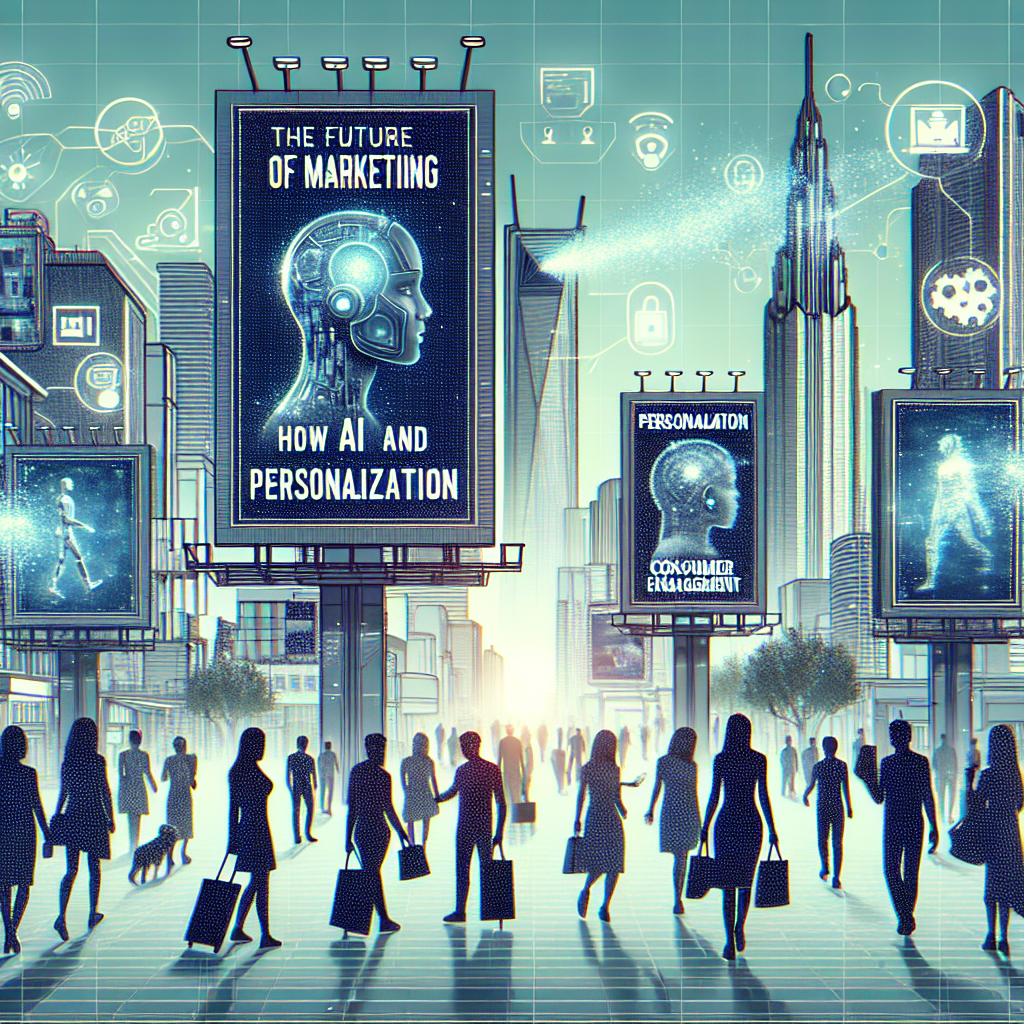
In today’s fast-paced digital landscape, consumers are inundated with choices, making the competition for their attention fiercer than ever. As a result, businesses are increasingly turning to personalization to create meaningful connections with their audiences. Enter artificial intelligence (AI) – a game-changer in the realm of marketing that promises to enhance the personalization experience. In this blog post, we’ll explore how AI is reshaping customized marketing experiences and what that means for the future of consumer engagement.
The Rise of Personalization in Marketing
Personalization is no longer a nice-to-have; it’s a necessity. A study by Epsilon found that 80% of consumers are more likely to make a purchase when brands offer personalized experiences. This shift towards personalization is driven by the demand for tailored experiences that resonate with individual preferences and behaviors. With consumers expecting brands to understand and cater to their specific needs, companies must leverage AI to stay competitive.
Understanding Consumer Behavior through Data
At the heart of AI-driven personalization lies data. Advanced analytics enable businesses to gather and analyze vast amounts of consumer data, from browsing habits to purchase history. For instance, Netflix uses AI algorithms to recommend shows based on users' viewing history, creating a personalized entertainment experience that keeps subscribers engaged. By analyzing patterns and preferences, companies can predict what consumers want before they even know it themselves.
AI-Powered Tools Enhancing Customer Experiences
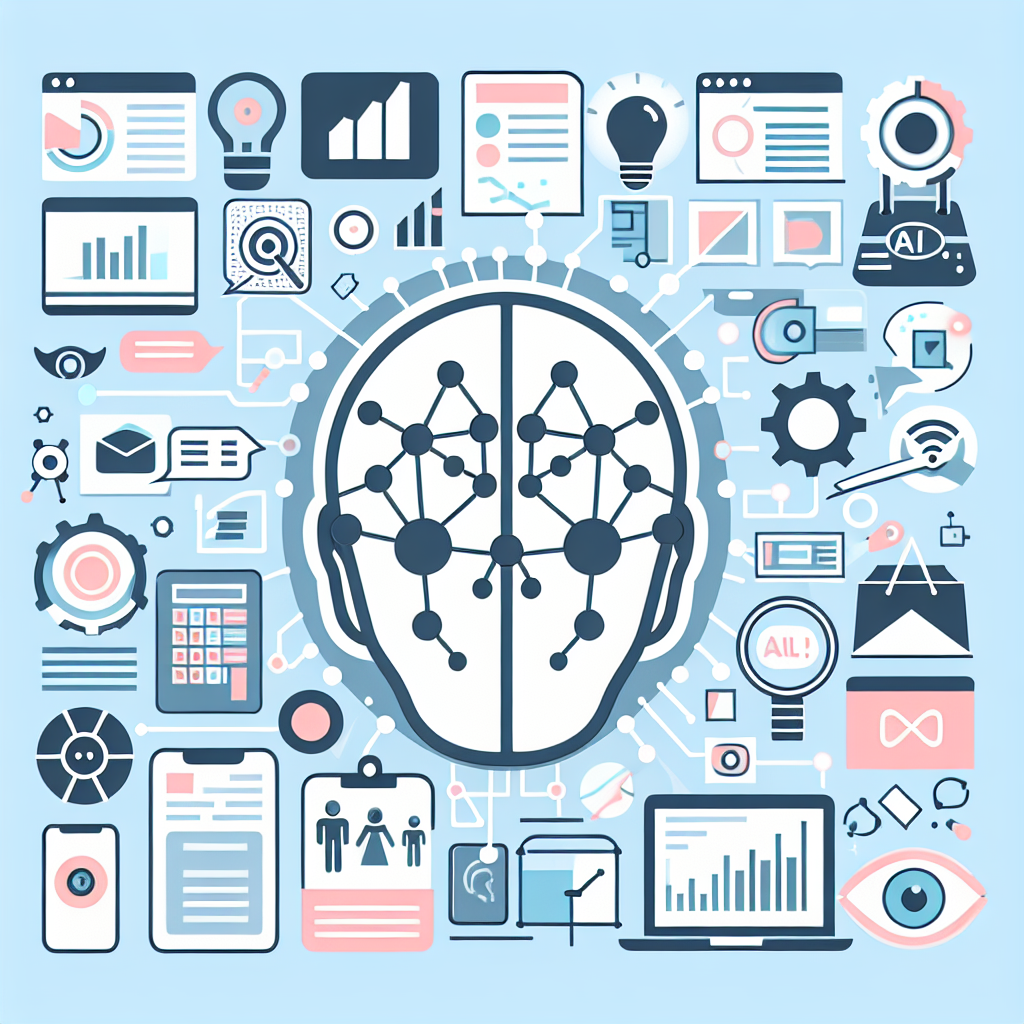
AI technology is powering a range of tools that enhance customer experiences through personalization. From chatbots that provide instant customer service to recommendation engines that suggest products, AI is transforming how brands interact with their audiences.
Chatbots: The New Frontline of Customer Service
Chatbots are a prime example of AI in action. They allow businesses to engage with customers in real time, providing personalized responses based on previous interactions. For example, Sephora’s chatbot offers personalized beauty advice and product recommendations based on user preferences and skin type. This not only improves customer satisfaction but also drives sales through tailored product suggestions.
Recommendation Engines: Tailoring the Shopping Experience
Recommendation engines are another powerful tool in the AI personalization toolbox. Amazon, for instance, utilizes sophisticated algorithms to analyze user behavior and suggest products that align with individual tastes. According to McKinsey, 35% of what consumers purchase on Amazon comes from product recommendations. This statistic highlights the importance of personalized recommendations in driving sales and enhancing the shopping experience.
The Ethical Implications of AI Personalization
While the benefits of AI-driven personalization are clear, it’s essential to address the ethical implications. As businesses collect more data to personalize experiences, concerns about privacy and data security arise. A survey by Pew Research Center indicated that 79% of Americans are concerned about how their data is being used by companies. Therefore, it’s crucial for businesses to be transparent about data usage and to prioritize consumer privacy.
Building Trust through Transparency
To foster trust, brands should communicate clearly about how they collect and use data for personalization. Implementing robust data protection measures and obtaining informed consent can go a long way in ensuring customers feel secure. For instance, companies like Apple have taken a stand on privacy, offering users more control over their data, which can enhance brand loyalty and trust.
The Future of AI Personalization: Trends to Watch
As technology continues to evolve, the future of AI personalization looks promising. Here are a few trends to keep an eye on:
1. Hyper-Personalization
Moving beyond basic personalization, hyper-personalization leverages AI to create highly tailored experiences based on real-time data. This could include personalized web pages, targeted advertisements, and customized email marketing campaigns that adapt to user interactions.
2. Voice Search and AI Assistants
With the rise of voice-activated devices, optimizing for voice search will become increasingly important. AI assistants like Google Assistant and Amazon Alexa are already personalizing experiences based on user preferences, making it essential for brands to adapt their marketing strategies accordingly.
3. Predictive Analytics
Predictive analytics, powered by AI, will enable brands to anticipate consumer needs and preferences more accurately. By analyzing historical data, businesses can forecast future behavior, allowing for proactive strategies that enhance the customer experience.
Conclusion: Embracing the Future of AI Personalization
The future of personalization in marketing is undoubtedly intertwined with the advancements in AI technology. As businesses navigate this evolving landscape, they must prioritize ethical practices while leveraging data to create meaningful, customized experiences. By investing in AI-driven tools and fostering trust with their audience, brands can not only enhance customer satisfaction but also drive loyalty and sales.
As we move forward, the key takeaway is clear: embracing AI for personalization is not just an option; it’s a strategic imperative. Businesses that harness the power of AI to create personalized experiences will be the ones that thrive in the future of marketing.