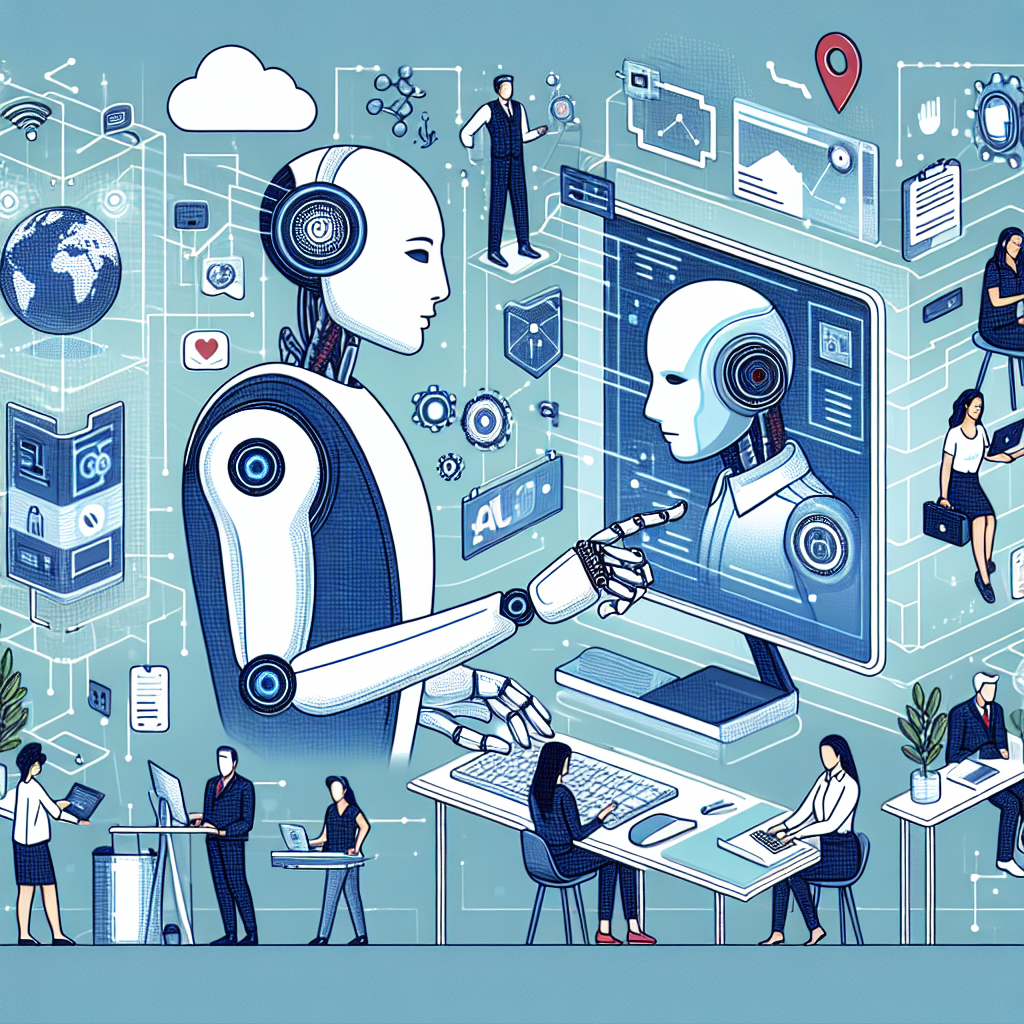
The Future of Remote Work: Embracing AI and Automation for a Seamless Virtual Workplace
The pandemic has irrevocably altered the landscape of work, pushing remote work to the forefront of business strategy. As companies and employees have adapted to this new normal, the integration of artificial intelligence (AI) and automation into remote work processes is becoming increasingly essential. This technological evolution is not just a trend; it signifies a fundamental shift in how we approach work, collaboration, and productivity in the digital age. In this blog post, we will explore how AI and automation are shaping the future of remote work, the benefits they provide, and practical steps organizations can take to embrace these technologies for a seamless virtual workplace.
The Rise of AI and Automation in Remote Work
According to a report by McKinsey, up to 45% of current work activities could be automated by technology that already exists today. This statistic underscores the potential for AI and automation to transform the remote work landscape. From virtual assistants that schedule meetings and manage calendars to sophisticated project management tools that streamline collaboration, AI is enhancing the way remote teams operate.
Enhancing Productivity and Efficiency
One of the primary advantages of incorporating AI in remote work is the significant boost in productivity and efficiency. Tools like AI-driven chatbots can handle routine inquiries, allowing team members to focus on more complex tasks. For instance, companies like Intercom use AI to automate customer support, freeing up employees to engage in high-value projects that require human creativity and strategic thinking.
Additionally, automation tools such as Zapier and IFTTT allow teams to connect different applications and automate workflows, reducing manual effort and minimizing errors. By automating repetitive tasks, employees can dedicate more time to innovation and collaboration, ultimately driving better business outcomes.
Fostering Collaboration and Communication
Effective communication is crucial in a remote work environment, and AI is helping bridge the gaps that distance can create. Advanced communication platforms, such as Microsoft Teams and Slack, now incorporate AI features to enhance collaboration. These tools can analyze communication patterns and suggest optimal times for meetings or even summarize discussions for those who may have missed them.
Virtual Team Building through AI
Building a cohesive team culture in a remote setting can be challenging, but AI can assist in creating engaging experiences. For example, platforms like Donut pair employees for virtual coffee chats, fostering connections that might not happen organically in a traditional office setting. By leveraging AI to facilitate interactions, organizations can maintain a strong company culture, enhance employee morale, and ultimately improve retention rates.
Data-Driven Decision Making
AI's ability to analyze vast amounts of data in real-time empowers organizations to make informed decisions. Remote work generates a wealth of data regarding productivity, employee engagement, and project timelines. AI analytics tools can sift through this data, providing valuable insights that help leaders identify trends, optimize workflows, and allocate resources more effectively.
For instance, tools like Tableau and Google Analytics can visualize employee productivity and project progress, allowing managers to make data-driven decisions that enhance team performance. The key is to ensure that these insights are actionable and tied to specific business objectives, creating a direct link between data analysis and organizational success.
Addressing Challenges with AI Solutions
Despite the numerous benefits of AI and automation, challenges persist. Concerns surrounding data privacy, job displacement, and the need for human oversight are valid. Organizations must navigate these issues carefully, ensuring that the implementation of AI serves to augment human capabilities rather than replace them. A study by PwC found that 37% of jobs could be automated, yet this offers an opportunity for employees to upskill and shift towards more strategic roles that AI cannot fulfill.
Steps to Embrace AI and Automation in Your Remote Workplace
As organizations recognize the potential of AI and automation, taking proactive steps to integrate these technologies effectively is crucial. Here are some actionable tips:
- Assess Your Needs: Identify specific areas where automation can improve efficiency, such as data entry, scheduling, or customer interactions.
- Invest in Training: Equip your team with the necessary skills to work alongside AI tools. Continuous learning should be part of your company culture.
- Choose the Right Tools: Research and select AI tools that align with your business objectives. Consider user-friendliness and integration capabilities.
- Monitor and Adjust: Regularly evaluate the performance of AI tools and gather feedback from employees to make necessary adjustments for optimal use.
Conclusion: The Path Forward
The future of remote work is undoubtedly intertwined with AI and automation. As these technologies continue to evolve, they will reshape how we work, collaborate, and connect. By embracing AI, organizations can unlock new levels of productivity, enhance communication, and foster a culture of innovation.
As we move forward, it is essential for leaders to remain adaptable and open to change. With the right strategies and tools in place, businesses can create a seamless virtual workplace that not only supports their employees but also drives growth and success in the rapidly changing digital landscape. Embrace the future of work—leverage AI and automation to transform your remote workplace today!