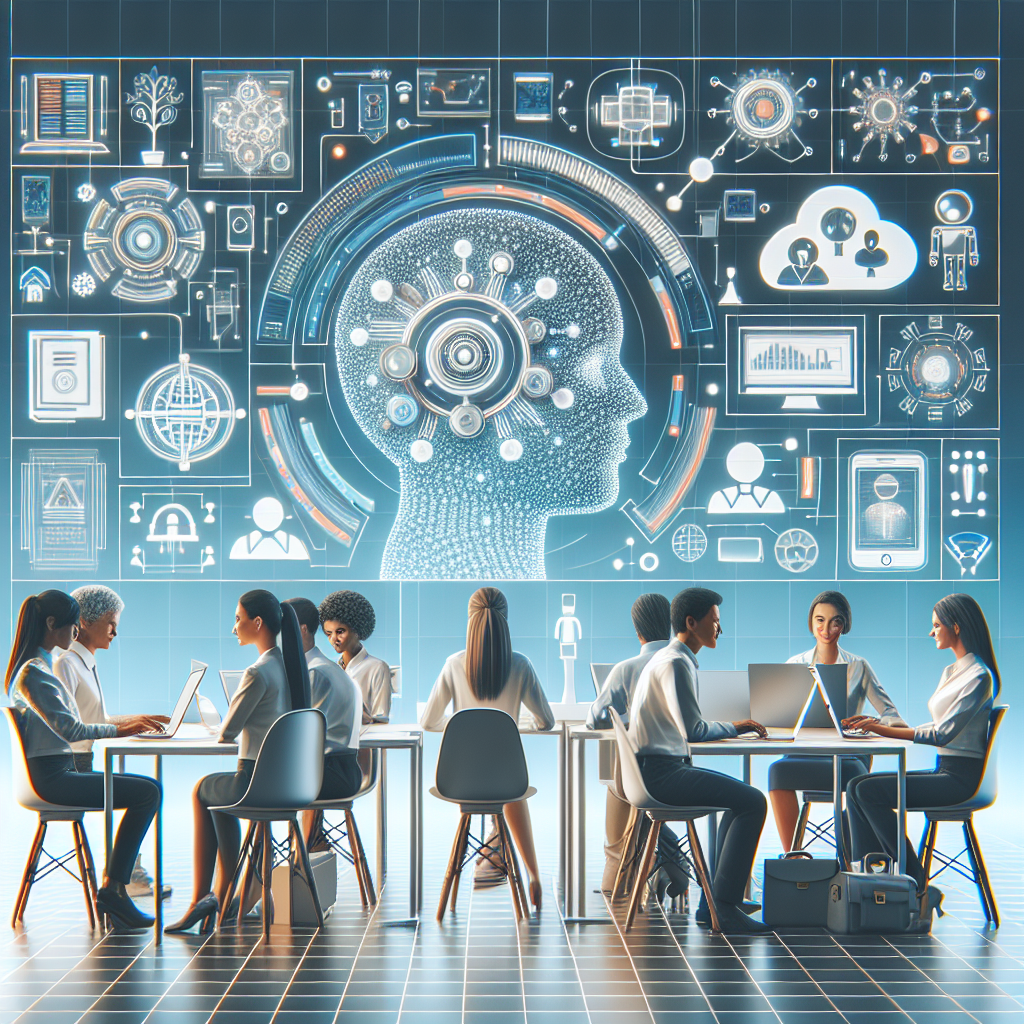
The Future of Remote Work: Embracing AI and Automation in a Distributed Workforce
The landscape of work has undergone a seismic shift in recent years, accelerated by the global pandemic that forced many organizations to adapt to remote working arrangements. As we look toward the future, it becomes clear that the integration of artificial intelligence (AI) and automation technologies will play a pivotal role in shaping the way we work, communicate, and collaborate in a distributed workforce. This blog post explores the implications of these advancements, highlighting their potential benefits, challenges, and the strategies organizations can adopt to thrive in this new era.
Understanding AI and Automation in the Workplace
Before delving into the future, it's essential to grasp what AI and automation entail in the context of remote work. AI refers to computer systems designed to mimic human intelligence, enabling them to perform tasks that typically require human cognition. Automation, on the other hand, involves the use of technology to perform tasks without human intervention. Together, these technologies can streamline operations, enhance productivity, and improve the overall employee experience.
The Current State of Remote Work
According to a report by Gartner, 47% of organizations plan to allow employees to work remotely full-time after the pandemic, signaling a fundamental shift in traditional workplace structures. This transition has highlighted the need for tools that facilitate collaboration and communication across dispersed teams. AI and automation are at the forefront of providing solutions that not only address these needs but also enhance efficiency and decision-making processes.
The Impact of AI on Remote Work
AI's influence on remote work can be seen across various facets of the workforce. Here are some of the key areas where AI is making a significant impact:
1. Enhanced Communication and Collaboration
AI-powered tools, such as chatbots and virtual assistants, have revolutionized communication in remote teams. These tools can handle routine inquiries, schedule meetings, and streamline workflows, allowing team members to focus on more complex tasks. For example, platforms like Slack and Microsoft Teams have integrated AI features that help prioritize messages and facilitate seamless collaboration, ensuring that remote teams can work efficiently despite geographical barriers.
2. Data-Driven Decision Making
AI analytics tools are enabling organizations to leverage vast amounts of data to make informed decisions. By analyzing employee performance metrics, customer feedback, and market trends, AI can provide insights that guide strategic planning and resource allocation. A study by McKinsey found that companies using data-driven decision-making are 23 times more likely to acquire customers, 6 times more likely to retain customers, and 19 times more likely to be profitable.
3. Personalized Employee Experience
AI is also transforming the employee experience by personalizing interactions and offerings. For instance, AI-driven learning platforms can assess individual employee skills and recommend tailored training programs, fostering professional development and engagement. This not only boosts morale but also enhances overall productivity, as employees feel more equipped to excel in their roles.
Automation: Streamlining Processes and Reducing Burnout
While AI focuses on intelligence and cognition, automation emphasizes efficiency and precision. The incorporation of automation in remote work settings can alleviate mundane tasks, allowing employees to concentrate on higher-value activities. Here’s how:
1. Task Automation
Routine tasks such as data entry, report generation, and scheduling can be automated using tools like Zapier or Trello. By automating these processes, organizations can reduce human error and free up time for employees to engage in creative problem-solving and strategic initiatives. A survey by Deloitte found that 58% of organizations that have adopted automation reported increased employee satisfaction, as workers are relieved from repetitive tasks.
2. Improved Work-Life Balance
With the rise of remote work, the lines between personal and professional life have blurred. Automation helps mitigate this issue by allowing employees to automate their workflows, ensuring that they can achieve a better work-life balance. For instance, automated reminders for breaks and time-off requests can help employees manage their time more effectively, reducing burnout.
Challenges and Considerations
Despite the numerous benefits, the integration of AI and automation in remote work is not without challenges. Organizations must navigate potential pitfalls, including:
1. Job Displacement Concerns
As automation takes over routine tasks, there is a legitimate concern about job displacement. Companies must emphasize reskilling and upskilling their workforce to ensure that employees can adapt to new roles that emerge alongside technological advancements. A proactive approach to employee training can help mitigate anxiety and foster a culture of continuous learning.
2. Data Privacy and Security
With the increased reliance on AI and automation comes the responsibility of safeguarding sensitive data. Organizations must prioritize cybersecurity measures to protect employee information and maintain trust. Implementing robust data protection protocols and ensuring compliance with regulations like GDPR can help mitigate risks associated with data breaches.
Conclusion: Embracing the Future of Work
The future of remote work is undeniably intertwined with the advancements in AI and automation. By embracing these technologies, organizations can enhance productivity, improve communication, and foster a more personalized employee experience. However, it is crucial to approach these changes with a strategic mindset, focusing on reskilling employees and ensuring robust data security measures. As we move forward, the most successful organizations will be those that not only leverage technology but also prioritize the human element, creating a harmonious balance between innovation and employee well-being.
In summary, to thrive in this evolving landscape, organizations should:
- Invest in AI and automation tools that streamline processes and enhance collaboration.
- Focus on reskilling employees to prepare them for new roles created by technological advancements.
- Prioritize data security and privacy to build trust within the workforce.
- Foster a culture of continuous learning and adaptability.