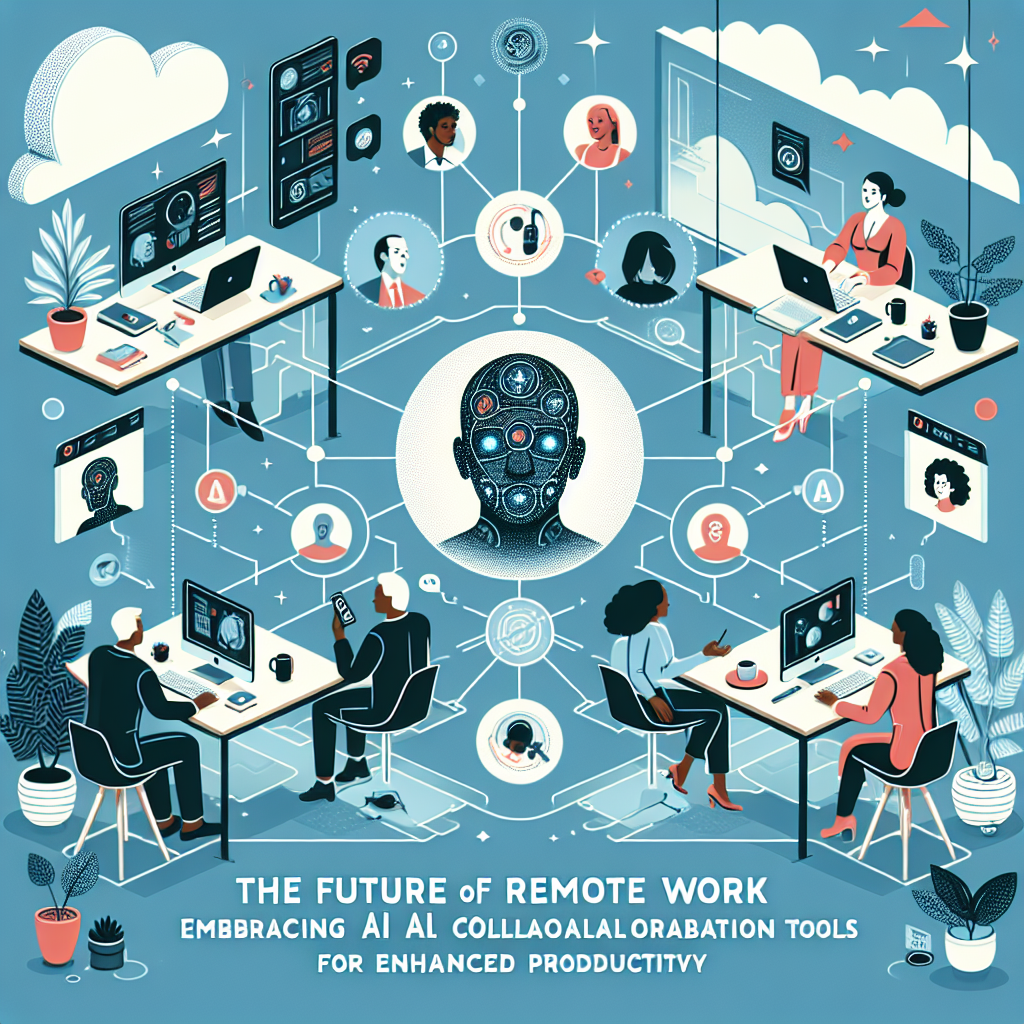
The Future of Remote Work: Embracing AI Collaboration Tools for Enhanced Productivity
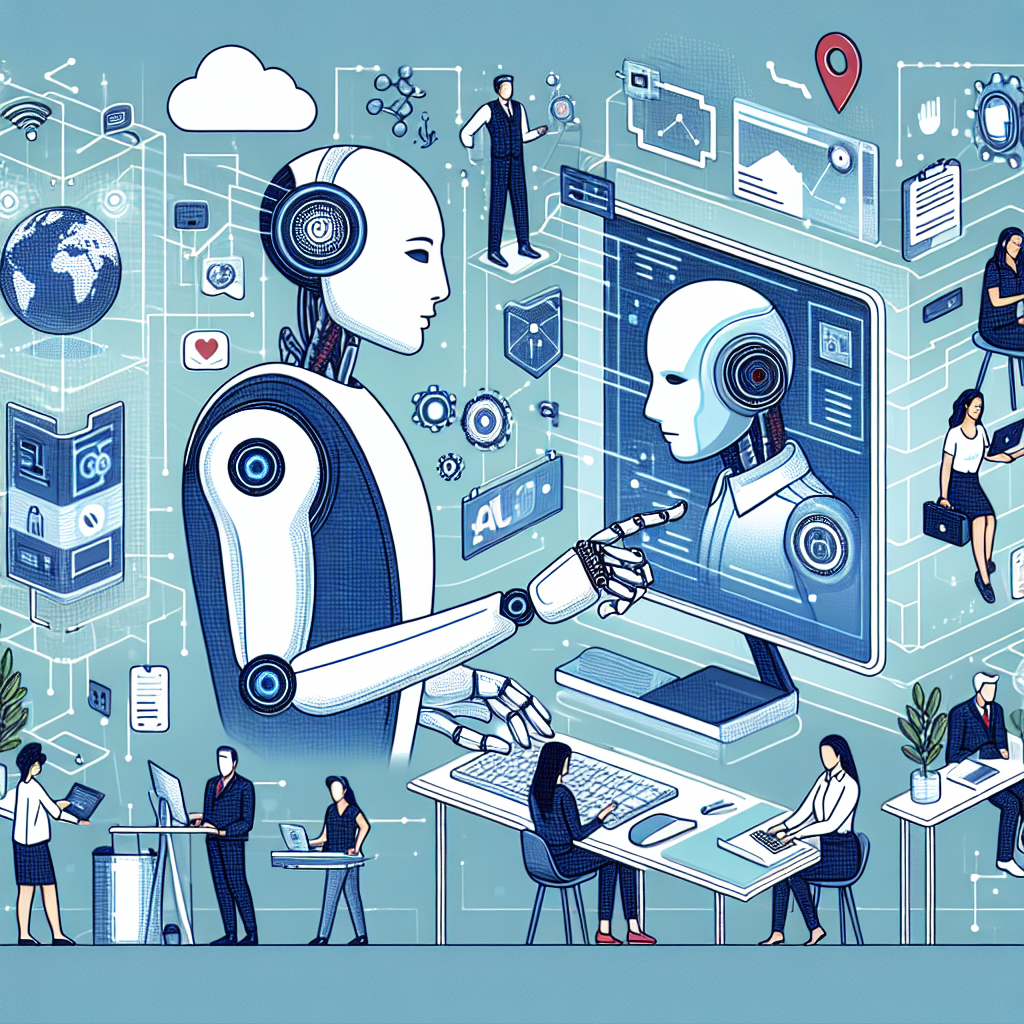
The shift to remote work was already underway, but the global pandemic accelerated this trend, reshaping how teams collaborate and communicate. As organizations adapt to this new normal, the role of Artificial Intelligence (AI) in enhancing productivity through collaboration tools is becoming increasingly significant. In this blog post, we will explore how AI collaboration tools are transforming remote work, enhancing productivity, and what the future holds for this evolving landscape.
The Rise of AI in Remote Work
According to a recent report by Gartner, 74% of organizations plan to permanently shift to more remote work post-pandemic. This shift necessitates innovative solutions to maintain productivity and collaboration among distributed teams. AI is stepping up to the plate, offering tools that streamline workflows, enhance communication, and provide invaluable insights.
Streamlining Communication
Effective communication is the backbone of remote work success. AI-driven collaboration tools, such as Slack and Microsoft Teams, integrate chatbots that can manage routine inquiries, schedule meetings, and provide instant updates. These features reduce the time spent on mundane tasks, allowing team members to focus on what truly matters—collaboration and innovation.
For instance, chatbots can automate reminders for project deadlines or meetings, ensuring that everyone stays on track. A study by McKinsey found that effective communication can improve productivity by up to 25%, highlighting the importance of these AI tools in remote settings.
Enhancing Project Management with AI
Project management is another area where AI can significantly boost productivity. Tools like Asana and Trello offer AI features that predict project timelines, allocate resources efficiently, and even suggest task priorities based on team members’ workloads.
Data-Driven Decision Making
AI tools analyze vast amounts of data to provide insights that can inform strategic decisions. For example, if a team is consistently missing deadlines, AI can analyze the data to pinpoint the root causes—be it resource allocation, workload distribution, or unforeseen obstacles. This data-driven approach enables teams to make informed adjustments, enhancing overall productivity.
Furthermore, AI can help identify skill gaps within teams. By analyzing project outcomes and individual contributions, AI can recommend training programs or resources that can help team members develop necessary skills, thereby improving team performance over time.
Fostering Collaboration through AI
Collaboration is at the heart of remote work, and AI tools are designed to foster this essential aspect. Platforms like Miro and Mural, which utilize AI to enhance brainstorming sessions and collaborative design, are gaining traction. These tools allow teams to work together in real time, even from different locations, creating a virtual whiteboard experience that mimics in-person collaboration.
Personalized Work Environments
AI can also personalize the user experience. By learning from user interactions, AI can recommend the best tools and resources tailored to individual preferences and work habits. This level of personalization not only enhances the user experience but also boosts productivity by ensuring that team members have access to the resources they need when they need them.
The Challenges Ahead
While the integration of AI in remote work presents numerous benefits, it also comes with challenges. Concerns about data privacy and security are paramount, and organizations must ensure that they comply with regulations while leveraging AI tools. Additionally, there is the risk of over-reliance on technology, which could stifle creativity and interpersonal relationships.
To mitigate these challenges, companies should adopt a balanced approach. Encourage a culture that values human interaction while utilizing AI to enhance productivity. Regular check-ins, team-building activities, and open lines of communication are vital to maintaining a cohesive team dynamic.
Conclusion: Embracing the AI-Driven Future of Work
The future of remote work is bright, especially with the integration of AI collaboration tools that enhance productivity. By streamlining communication, improving project management, and fostering collaboration, AI is set to revolutionize the way teams operate. However, it is crucial to strike a balance between leveraging technology and nurturing human connections.
As we move forward, organizations must remain proactive in adopting these tools while addressing the challenges they present. Here are some actionable takeaways:
- Invest in AI collaboration tools that best suit your team’s needs.
- Encourage regular communication and feedback to ensure that technology enhances, rather than hinders, teamwork.
- Prioritize data security and privacy when implementing AI solutions.
- Balance technology use with personal interactions to maintain strong team dynamics.
By embracing AI while prioritizing a human-centric approach, organizations can unlock new levels of productivity and collaboration in the remote work landscape. The future is here, and it’s time to harness the power of AI for a more productive, connected workforce.