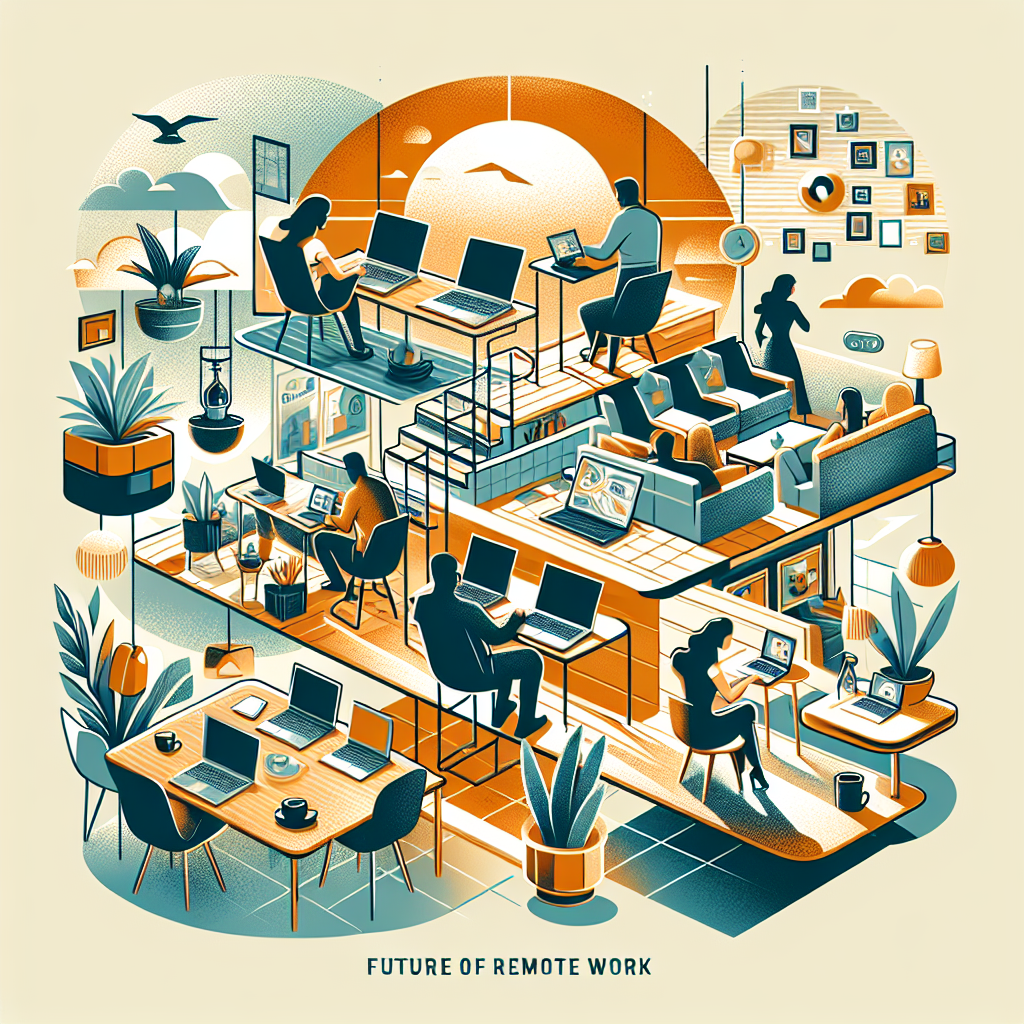
The Future of Remote Work: Embracing Hybrid Models and AI Collaboration Tools
The pandemic has irrevocably altered the way we view work, propelling remote work from a niche benefit to a mainstream expectation. As organizations adapt to this new landscape, the hybrid work model—combining remote and in-office work—has emerged as a favored approach. Coupled with advancements in AI collaboration tools, this model promises not only enhanced productivity but also a more engaged workforce. In this blog post, we will explore the future of remote work, focusing on the rise of hybrid models and the transformative power of AI in fostering collaboration.
The Rise of Hybrid Work Models
According to a survey by McKinsey, 58% of employees say they would prefer to work remotely at least three days a week post-pandemic. This statistic underscores a significant shift in employee preferences, compelling companies to rethink their operational strategies. A hybrid model allows organizations to offer flexibility while maintaining a semblance of traditional office culture.
Flexibility and Employee Satisfaction
Flexibility is often cited as one of the most significant benefits of remote work. A report from Buffer reveals that 32% of remote workers feel less stress when working from home, leading to greater job satisfaction. By adopting a hybrid work model, businesses can cater to diverse employee needs and schedules. For instance, companies like Microsoft and Google have implemented policies that allow employees to choose their work environment, acknowledging that a one-size-fits-all approach is ineffective in today’s diverse workforce.
Challenges of Hybrid Models
Despite the advantages, hybrid models come with their own set of challenges. Communication can become fragmented, and team cohesion might suffer if not managed properly. According to a 2022 Gartner report, 47% of organizations struggle with maintaining company culture in a hybrid environment. To address these challenges, companies must invest in robust communication frameworks and establish clear guidelines on collaboration.
The Role of AI Collaboration Tools
As we navigate the complexities of hybrid work, AI collaboration tools are stepping in to bridge the gap. These tools are designed to enhance communication, streamline workflows, and ultimately improve productivity. From project management software to virtual meeting platforms, AI is redefining how teams interact and collaborate.
Enhancing Communication and Collaboration
AI-driven tools like Slack and Microsoft Teams are not just platforms for messaging; they are equipped with features that automate routine tasks, prioritize messages, and even analyze interaction patterns. For example, AI can automatically schedule meetings by assessing all participants' calendars, saving valuable time. Furthermore, tools like Otter.ai provide real-time transcription services during meetings, ensuring that remote workers feel included and informed.
Data-Driven Decision Making
Another area where AI shines is in analytics. Tools equipped with AI can analyze vast amounts of data to provide insights into team performance and engagement levels. According to a report by Deloitte, companies that leverage AI for analytics see a 30% increase in decision-making speed. By integrating AI analytics into their workflows, organizations can make informed decisions that enhance productivity and employee satisfaction.
Creating a Sustainable Hybrid Culture
To maximize the benefits of hybrid work and AI collaboration tools, organizations must cultivate a culture that embraces both flexibility and accountability. Here are some practical steps to create a sustainable hybrid work environment:
1. Foster Inclusivity
Ensure all employees, whether remote or on-site, have equal access to resources and opportunities. This includes access to meetings, decision-making processes, and professional development.
2. Establish Clear Communication Protocols
Define expectations around communication frequency and channels. Encourage regular check-ins to maintain team cohesion and accountability.
3. Invest in Training and Development
Provide training on new tools and technologies. This helps employees feel confident in using AI collaboration tools, ultimately enhancing their productivity.
Conclusion: The Path Forward
The future of remote work is undoubtedly hybrid, with AI collaboration tools playing a pivotal role in shaping this new landscape. By embracing flexibility and investing in technology that fosters collaboration, organizations can not only improve productivity but also enhance employee engagement and satisfaction. As we move forward, it is imperative for companies to remain adaptable and proactive in addressing the challenges and opportunities that come with hybrid work. By doing so, they will not just survive but thrive in this new era of work.
As you consider your own organization’s approach to remote work, remember these key takeaways: prioritize flexibility, invest in AI tools, foster inclusivity, and establish clear communication protocols. The future is bright for those who are willing to adapt and embrace the changes ahead.