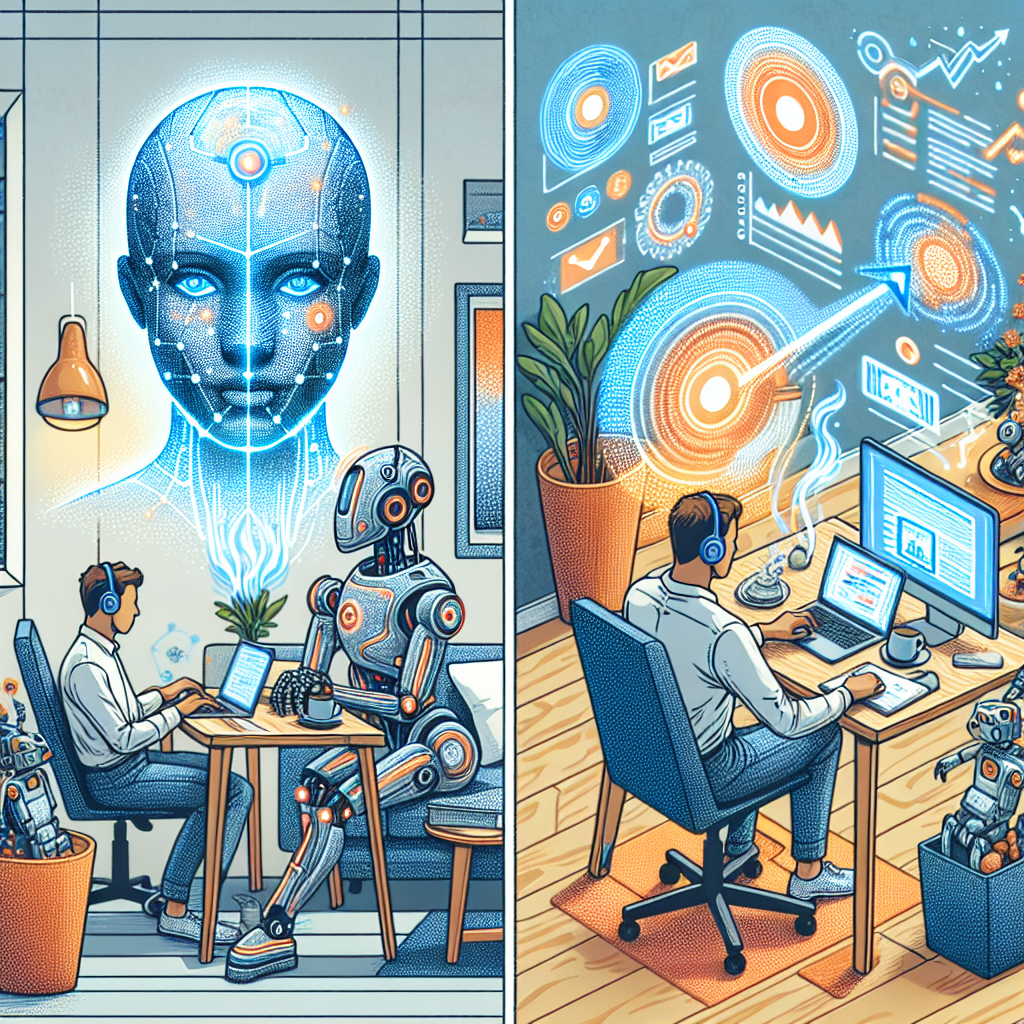
The Future of Remote Work: How AI and Automation Will Redefine Virtual Collaboration
The pandemic has irrevocably altered the way we work, thrusting remote collaboration into the spotlight. As organizations embrace this shift, the integration of artificial intelligence (AI) and automation is set to revolutionize how teams collaborate virtually. But what does the future hold? In this blog post, we’ll explore how these technologies will redefine remote work, enhance productivity, and foster collaboration across diverse teams.
The Rise of AI in Remote Work
AI is no longer a futuristic concept; it’s already reshaping our professional landscapes. According to a report by McKinsey, 70% of companies are experimenting with AI, and many are already seeing results. In the context of remote work, AI can streamline processes, assist in decision-making, and improve communication, thereby enhancing team efficiency.
AI-Powered Tools for Enhanced Communication
One of the most significant challenges of remote work is maintaining effective communication. AI-driven tools like chatbots and virtual assistants can bridge this gap. For instance, platforms such as Slack are integrating AI features that help prioritize messages, summarize long discussions, and even suggest responses based on context. This not only saves time but also ensures that critical information doesn’t get lost in the shuffle.
Data-Driven Decision Making
AI can analyze vast amounts of data to provide insights that aid in decision-making. For remote teams, this means having access to real-time analytics on project performance, employee productivity, and customer feedback. Tools like Trello and Asana are incorporating AI features that predict project timelines based on historical data, allowing teams to plan more effectively and allocate resources efficiently.
The Role of Automation in Streamlining Workflows
Automation is another key player in the remote work future. It enables repetitive tasks to be handled without human intervention, freeing employees to focus on more strategic activities. According to a report by the World Economic Forum, automation could displace 85 million jobs by 2025 but is also expected to create 97 million new roles. This evolution highlights a shift towards more value-added work.
Automating Routine Tasks
Tools like Zapier and IFTTT allow remote teams to automate mundane tasks such as data entry, file organization, and scheduling meetings. This not only increases efficiency but also reduces the potential for human error. For example, a marketing team could automate the process of gathering leads from various platforms and populating a database, allowing them to focus on strategy rather than data management.
Streamlining Project Management
Automation can also enhance project management. By automating task assignments and deadline reminders, teams can ensure that everyone stays on track without the constant need for manual oversight. Additionally, AI-driven project management tools can predict potential bottlenecks based on workload and team performance, allowing for proactive adjustments.
The Human Element: Balancing AI and Automation with Personal Touch
While AI and automation offer numerous advantages, it’s essential to remember that the human element should not be overlooked. Remote work thrives on collaboration and connection, and maintaining a strong team culture is crucial. According to a study by Buffer, 20% of remote workers cite loneliness as their biggest struggle. Thus, organizations must find ways to integrate technology while fostering a sense of belonging.
Cultivating Connection Through Virtual Team Building
Employers can leverage technology to create virtual team-building activities that promote interaction and camaraderie. Tools like Gather and Sococo enable teams to create virtual spaces where employees can engage in casual conversations, replicating the water cooler experience. Regular video calls, virtual coffee breaks, and collaborative brainstorming sessions using platforms like Miro can also help maintain interpersonal connections, ensuring that technology complements rather than replaces human interaction.
Training and Development in a Virtual Landscape
Investing in training programs that focus on both technical skills and emotional intelligence is vital. As AI takes over routine tasks, upskilling employees to work alongside these technologies becomes essential. Companies like Google offer online training platforms that help employees adapt to the evolving landscape, ensuring they are equipped to thrive in a tech-enhanced work environment.
Conclusion: Embracing the Future of Remote Work
The future of remote work is bright, driven by the integration of AI and automation. As these technologies redefine virtual collaboration, organizations must embrace the opportunities they present while ensuring that the human element remains at the forefront. By investing in communication tools, automating routine tasks, and fostering team connections, businesses can create a thriving remote work environment.
As we move forward, here are some actionable takeaways:
- Explore AI-powered communication tools that enhance collaboration and streamline discussions.
- Implement automation to minimize repetitive tasks and improve productivity.
- Prioritize team-building initiatives that foster connection and engagement.
- Invest in training programs that equip employees with the skills needed to thrive alongside AI.
By taking these steps, organizations can not only adapt to the changing landscape but also thrive in the future of remote work.