The Future of Remote Work: How AI and Automation Will Reshape Our Home Offices
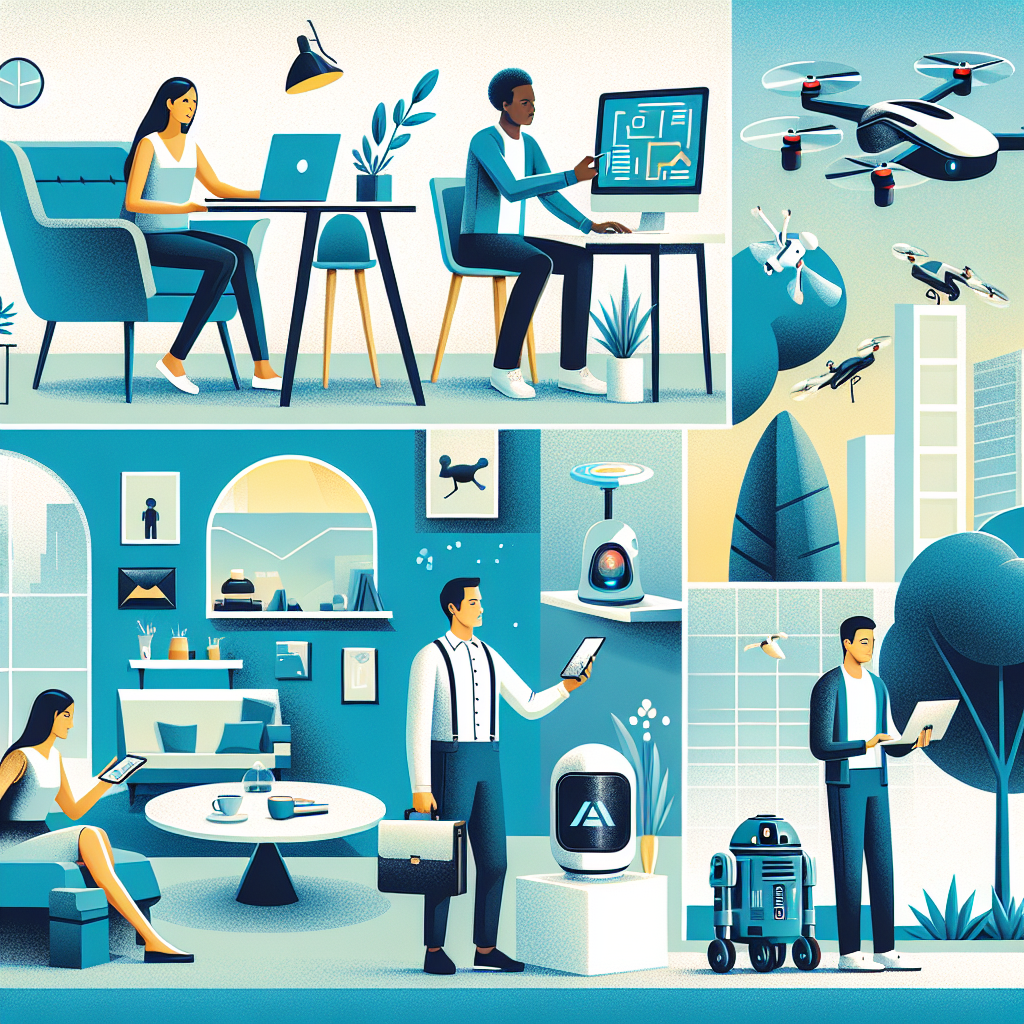
The landscape of work has undergone a seismic shift in recent years, largely accelerated by the global pandemic. Remote work, once considered a perk, has now become a norm for millions. As we look to the future, two powerful forces are at play: artificial intelligence (AI) and automation. These technologies are set to redefine our home offices, enhancing productivity, streamlining processes, and creating a more flexible work environment. In this blog post, we’ll explore how AI and automation are reshaping remote work and what this means for professionals moving forward.
The Rise of AI in the Remote Workspace
Artificial intelligence is not just a buzzword; it’s a transformative tool that’s making its way into our daily work routines. With AI, tasks that once took hours can now be completed in minutes. For instance, tools like Grammarly and Otter.ai utilize AI to enhance writing and transcription tasks, respectively. These applications not only save time but also improve the quality of work.
Enhancing Communication
In remote work, effective communication is crucial. AI-driven platforms like Slack and Microsoft Teams have integrated AI features that can summarize conversations, prioritize messages, and even suggest responses. This means less time sifting through emails and messages and more time focusing on critical tasks. According to a report by McKinsey, companies that effectively use AI in communication can boost productivity by up to 20%.
Personalized Work Environments
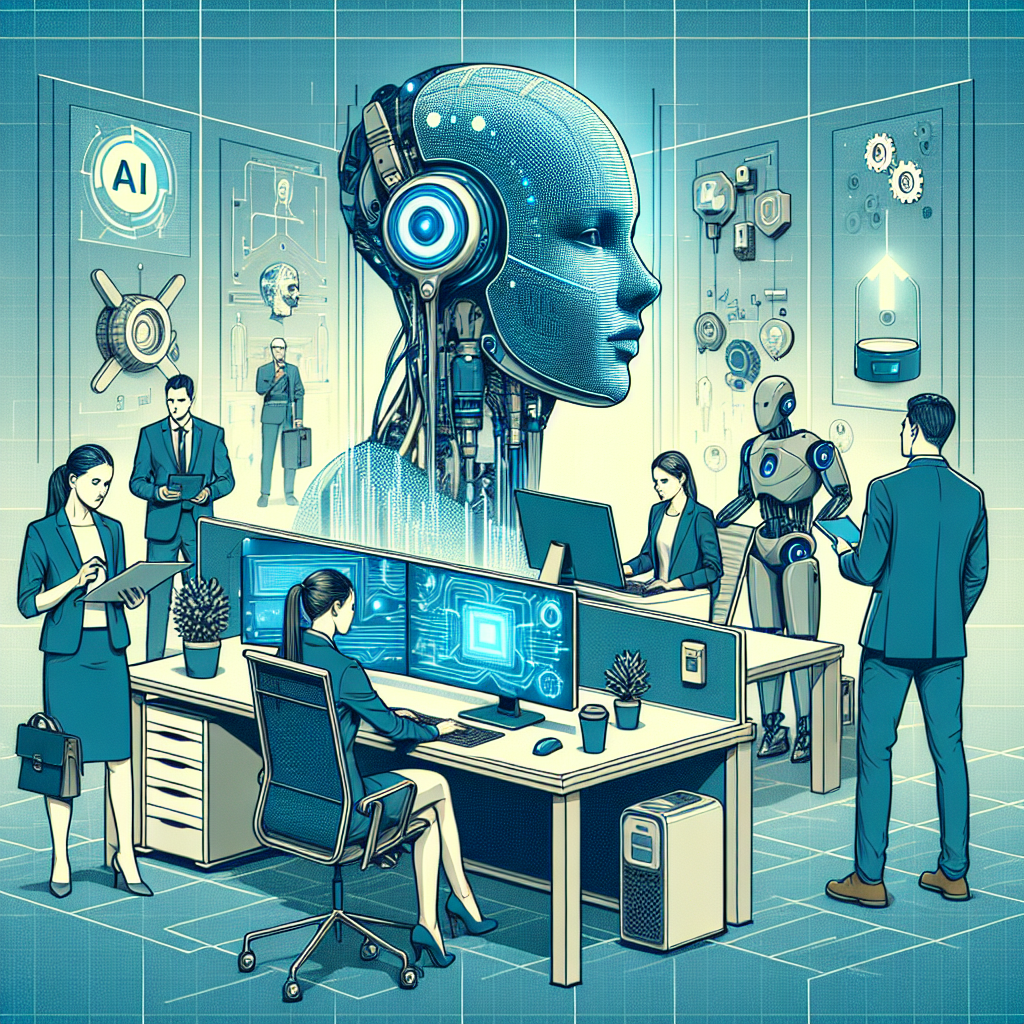
AI can also create personalized work experiences. For example, AI algorithms can analyze an employee’s work habits and suggest optimal working hours, breaks, and even the best environments for productivity. Virtual assistants, powered by AI, can help manage schedules and remind employees of deadlines, creating a more organized and efficient workday.
Automation: Streamlining Processes
Automation is another game-changer for remote work. By automating repetitive tasks, employees can focus on more strategic initiatives. According to a study by PwC, 45% of jobs could be automated in the next two decades, which means that many routine tasks could soon be handled by machines.
Task Automation Tools
Tools like Zapier and IFTTT (If This Then That) allow users to automate workflows across different applications. For instance, you can set a rule that automatically saves email attachments to a specific folder in your cloud storage, reducing the time spent on manual data entry. This not only boosts efficiency but also reduces the likelihood of human error.
AI-Driven Project Management
Project management tools now incorporate automation features that assign tasks based on employee availability and workload. Software like Asana and Trello can streamline project tracking, allowing teams to collaborate more effectively, even when they’re miles apart. The integration of AI in these tools can forecast project timelines and resource allocation, making project management smoother and more predictable.
The Human Element: Adapting to Change
While AI and automation bring significant benefits, it’s essential to recognize the human element in this transition. As technology evolves, so must our skills. Employees will need to adapt by developing new competencies that complement these technologies. Upskilling and reskilling will become crucial, as workers need to learn how to leverage AI tools effectively.
Creating a Culture of Continuous Learning
Companies should foster a culture of continuous learning to help employees transition smoothly into this new era. Offering training programs on AI tools and automation processes can empower employees to embrace change rather than fear it. According to LinkedIn’s 2023 Workplace Learning Report, 94% of employees state they would stay at a company longer if it invested in their career development.
Looking Ahead: The Future of Home Offices
The future of remote work is undoubtedly intertwined with AI and automation. As we integrate these technologies into our home offices, several trends are likely to emerge:
- Increased Flexibility: With AI managing schedules and tasks, employees can enjoy greater flexibility in their work hours, leading to improved work-life balance.
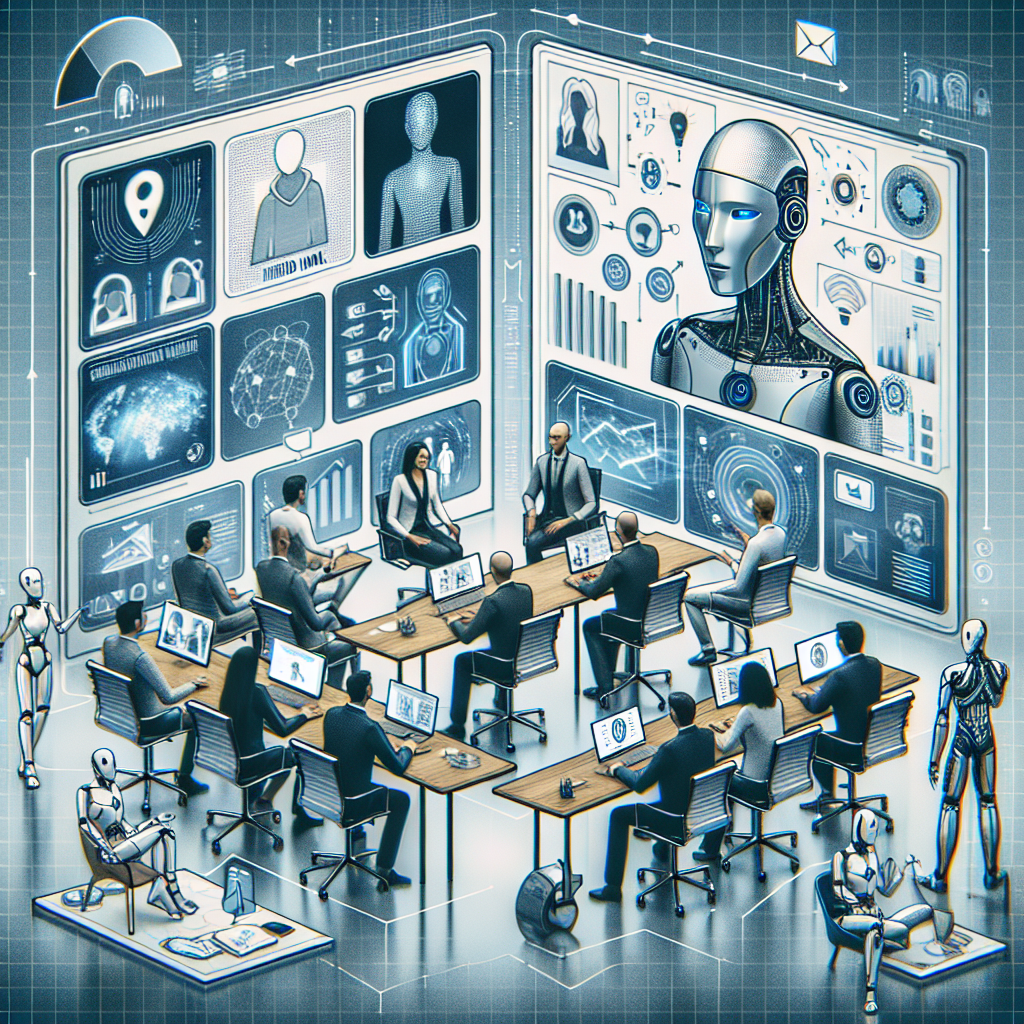
- Enhanced Collaboration: Virtual collaboration will become more seamless as AI-driven tools facilitate real-time interactions, even across different time zones.
- Data-Driven Decision Making: As automation takes over routine tasks, employees will have more access to data, leading to more informed decision-making processes.
Conclusion: Embrace the Change
The integration of AI and automation into our remote work environments is not just a trend; it’s a fundamental shift that will reshape how we work. By embracing these technologies, employees can enhance productivity, streamline processes, and foster a more collaborative workspace—regardless of location. However, it’s crucial to stay proactive: invest in your skill development, adapt to new tools, and cultivate a growth mindset.
The future of work is bright, and with the right approach, we can leverage AI and automation to create a more efficient, fulfilling, and balanced work-life experience. Are you ready to embrace the future of remote work?