The Future of SaaS: 5 Emerging Trends Set to Transform the Industry by 2025
The Software as a Service (SaaS) industry has undergone remarkable transformations over the past decade. As businesses increasingly shift towards cloud-based solutions, the landscape continues to evolve, driven by technological advancements, changing consumer preferences, and the need for greater efficiency. By 2025, several emerging trends are poised to reshape the SaaS ecosystem significantly. In this blog post, we will explore five key trends that are set to transform the industry, highlighting how they will impact businesses and consumers alike.
1. AI-Powered Automation
Artificial Intelligence (AI) is no longer just a buzzword; it is becoming an integral part of SaaS solutions. By 2025, we can expect AI-powered automation to dominate the SaaS landscape, enhancing user experience and operational efficiency. According to a report by Gartner, 70% of organizations are expected to integrate AI into their business processes by 2025.
How AI is Changing SaaS
AI can optimize various aspects of SaaS applications, from customer service chatbots to predictive analytics. For instance, platforms like Salesforce are leveraging AI to provide insights into customer behavior, enabling businesses to tailor their marketing strategies more effectively. Furthermore, automating routine tasks allows teams to focus on high-value projects, ultimately driving productivity.
2. Industry-Specific SaaS Solutions
As the SaaS market matures, there is a growing demand for industry-specific solutions that cater to unique business needs. By 2025, we will see an explosion of niche SaaS applications tailored for industries such as healthcare, finance, and manufacturing.
The Rise of Vertical SaaS
Vertical SaaS solutions focus on specific industries, providing specialized features and functionalities that generic platforms may lack. For instance, companies like Veeva Systems have successfully revolutionized the life sciences sector with tailored solutions that address compliance and regulatory challenges. This shift towards vertical SaaS enables businesses to achieve better outcomes through customized tools that align closely with their operational requirements.
3. Enhanced Security and Compliance
With the rise of data breaches and cyber threats, security and compliance have become paramount concerns for SaaS providers and users alike. By 2025, we can expect a stronger emphasis on security features as businesses seek to safeguard their sensitive information.
Building Trust Through Advanced Security Measures
SaaS companies will need to invest heavily in advanced security protocols, such as end-to-end encryption, multi-factor authentication, and regular compliance audits. According to a report by Cybersecurity Ventures, cybercrime is projected to cost the world $10.5 trillion annually by 2025, underscoring the importance of robust security measures. Companies that prioritize security not only protect their data but also build trust with their clients, which is crucial for long-term success.
4. Integration and Interoperability
As organizations adopt multiple SaaS applications, the need for seamless integration and interoperability has become increasingly critical. By 2025, we will see a growing trend towards platforms that can easily connect with one another, creating a more cohesive technology ecosystem.
The Benefits of an Integrated SaaS Environment
Integration allows businesses to streamline workflows, reduce manual data entry, and enhance collaboration across teams. Tools like Zapier and Integromat are already paving the way for easier integration, enabling users to connect various applications effortlessly. The ability to share data across platforms not only improves operational efficiency but also provides a holistic view of business performance, empowering decision-makers with actionable insights.
5. Subscription Flexibility and Pricing Models
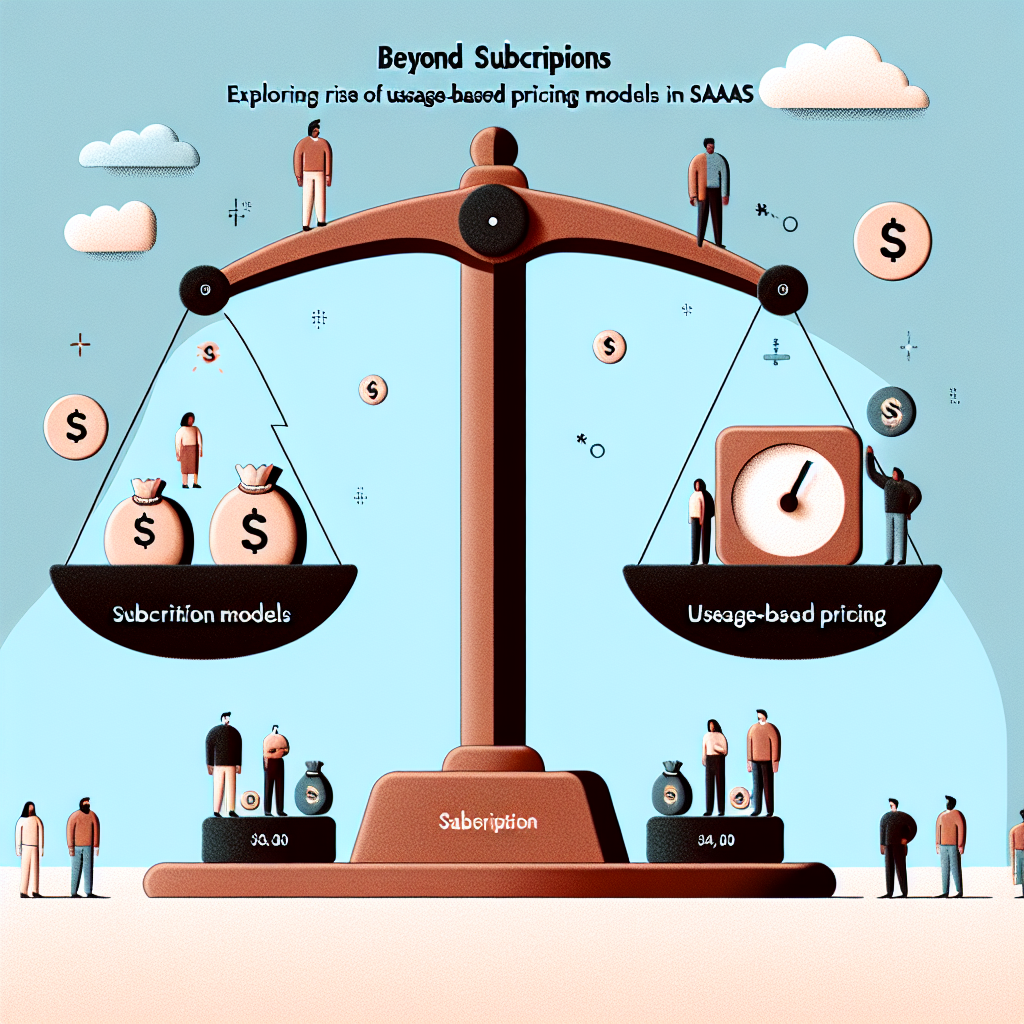
The traditional subscription model is evolving as companies seek more flexible pricing options that align with their usage and growth. By 2025, we can anticipate a shift towards usage-based pricing and tiered subscription models that cater to diverse customer needs.
Adapting to Market Demands
Companies like AWS and Microsoft Azure have already adopted usage-based pricing, allowing customers to pay only for what they use. This adaptability appeals to businesses of all sizes, providing them with cost-effective solutions that grow with their needs. Offering flexible pricing models not only enhances customer satisfaction but also encourages long-term loyalty, making it a win-win for both providers and users.
Conclusion: Embracing Change in the SaaS Landscape
As we look towards 2025, the SaaS industry is set to experience profound transformations driven by AI, industry-specific solutions, enhanced security, integration, and flexible pricing models. For businesses, staying ahead of these trends is crucial to harnessing the full potential of SaaS applications. Embracing AI-powered automation can streamline operations, while investing in vertical solutions can provide a competitive edge. Moreover, prioritizing security and integration will not only protect valuable data but also foster trust with clients.
As we move forward, businesses should remain agile, adapting to these emerging trends to leverage the benefits that SaaS has to offer. By doing so, organizations can position themselves for success in a rapidly evolving digital landscape.