The Next Frontier: How AI and Automation Are Redefining SaaS Solutions for Tomorrow
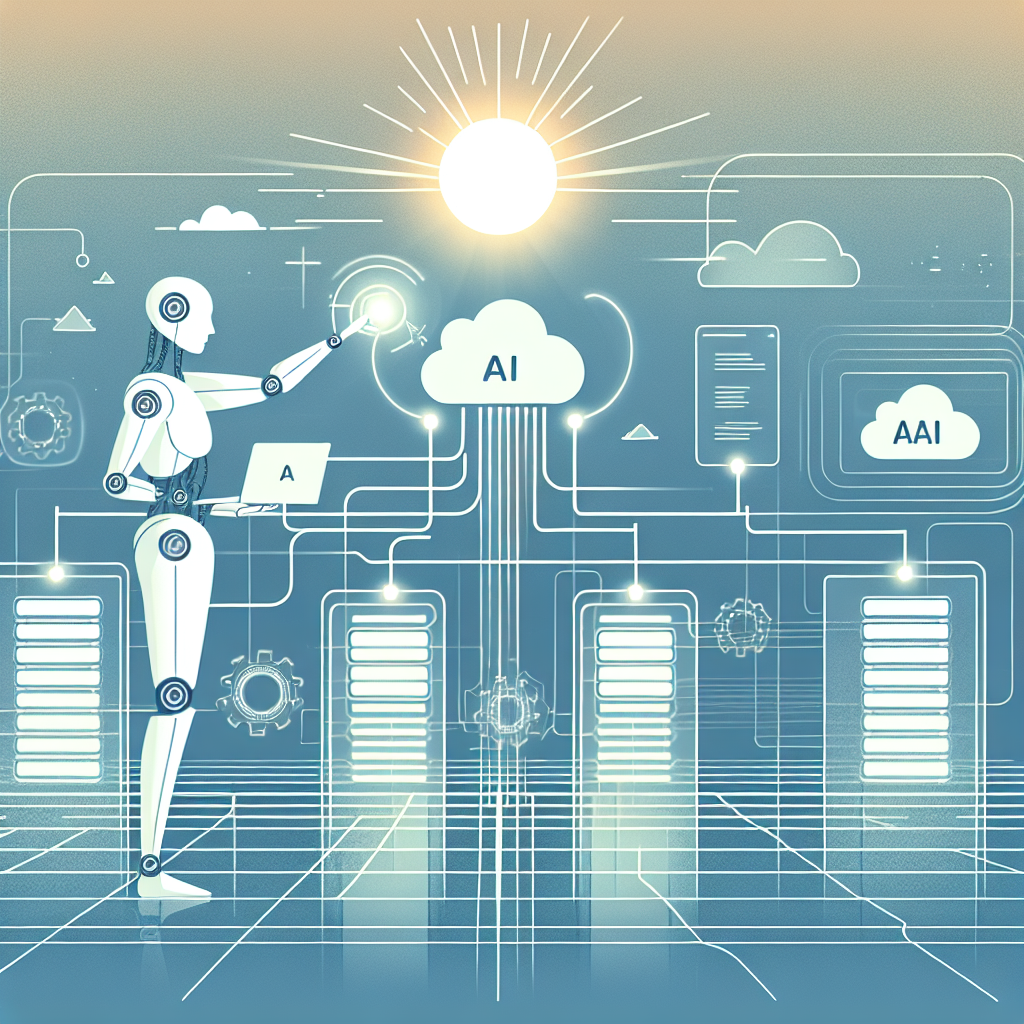
As we stand on the brink of a technological revolution, the integration of artificial intelligence (AI) and automation into Software as a Service (SaaS) solutions is transforming the landscape of business operations and customer engagement. The convergence of these technologies is not just a trend; it's a fundamental shift that promises to redefine how companies deliver value and drive efficiency. In this blog post, we’ll explore how AI and automation are shaping the future of SaaS and what this means for businesses looking to thrive in the digital age.
Understanding the Role of AI and Automation in SaaS
To grasp the potential of AI and automation in SaaS, we first need to understand what these terms mean in this context. SaaS refers to software that is hosted in the cloud and delivered over the internet, allowing users to access applications without the need for installation or maintenance. AI, on the other hand, involves creating algorithms that enable machines to perform tasks that typically require human intelligence, such as learning, reasoning, and problem-solving. Automation refers to the use of technology to perform tasks with minimal human intervention.
The synergy between AI and automation is particularly powerful in SaaS applications. By leveraging machine learning algorithms, SaaS providers can analyze vast amounts of data to deliver personalized experiences, improve customer service, and optimize operational processes. For instance, a customer relationship management (CRM) system that incorporates AI can analyze customer interactions to predict future behaviors, allowing businesses to tailor their marketing strategies accordingly.
The Transformative Impact on Customer Experience
Personalization at Scale
One of the most significant benefits of integrating AI into SaaS solutions is the ability to provide personalized experiences at scale. Businesses can use AI-driven insights to segment their customer base and deliver targeted content, recommendations, and offers. According to a study by Epsilon, 80% of consumers are more likely to make a purchase when brands offer personalized experiences.
For example, Netflix employs sophisticated algorithms that analyze users’ viewing habits to recommend shows and movies tailored to individual preferences. This level of personalization enhances customer satisfaction and loyalty, making AI an invaluable asset for SaaS providers looking to improve user engagement.
Automating Customer Support
Another area where AI and automation are making a significant impact is in customer support. Chatbots and virtual assistants are increasingly being deployed in SaaS applications to handle routine inquiries and provide 24/7 support. According to Gartner, by 2025, 75% of customer service interactions will be powered by AI, reducing the need for human agents.
Consider a SaaS company that offers project management tools. By integrating a chatbot into their application, they can answer common user questions in real-time, such as how to use specific features or troubleshoot issues, ultimately freeing up human agents to focus on more complex concerns. This not only enhances efficiency but also improves the overall customer experience.
Enhancing Operational Efficiency
Streamlining Processes with Automation
Automation is revolutionizing the way SaaS companies operate by streamlining processes and reducing manual effort. By automating repetitive tasks such as data entry, invoicing, and reporting, businesses can save time and reduce the risk of human error. Research from McKinsey suggests that up to 45% of tasks can be automated, which can lead to significant cost savings and increased productivity.
For instance, SaaS platforms like Zapier allow users to automate workflows between different applications, enabling seamless data transfer and task completion without manual intervention. This not only speeds up operations but also allows teams to focus on strategic initiatives rather than getting bogged down by routine tasks.
Data-Driven Decision Making
AI's ability to analyze data quickly and accurately empowers SaaS companies to make informed decisions based on real-time insights. By harnessing the power of analytics, businesses can identify trends, forecast demand, and optimize their offerings. A report by Forrester indicates that organizations using AI for data analysis can achieve a 20% improvement in decision-making speed.
For example, a SaaS provider specializing in e-commerce can use AI analytics to monitor customer purchasing patterns and adjust inventory levels accordingly. This proactive approach not only minimizes stockouts and overstock situations but also enhances customer satisfaction by ensuring that products are available when needed.
Preparing for the Future: Strategies for SaaS Companies
As AI and automation continue to reshape the SaaS landscape, companies must adopt strategies to leverage these technologies effectively. Here are some actionable takeaways for SaaS businesses:
- Invest in AI Capabilities: Consider integrating AI tools into your existing SaaS solutions to enhance personalization and improve operational efficiency.
- Focus on Customer Experience: Use AI-driven insights to understand your customers better and tailor your offerings to meet their needs.
- Automate Routine Tasks: Identify areas where automation can streamline processes and improve productivity, allowing your team to focus on higher-value work.
- Leverage Data Analytics: Invest in data analytics tools to gain insights that can drive strategic decision-making and enhance your competitive edge.
Conclusion
The integration of AI and automation into SaaS solutions is not just a technological advancement; it is a revolutionary shift that promises to redefine how businesses operate and engage with their customers. By embracing these innovations, SaaS providers can enhance personalization, streamline operations, and make data-driven decisions that drive success in an increasingly competitive landscape. The future is bright for those who are willing to adapt and innovate, making the most of the tools available to them. As we venture into this new frontier, the question remains: are you ready to embrace the future of SaaS?