The Next Frontier: How AI and Sustainability Will Shape Tomorrow's Business Landscape
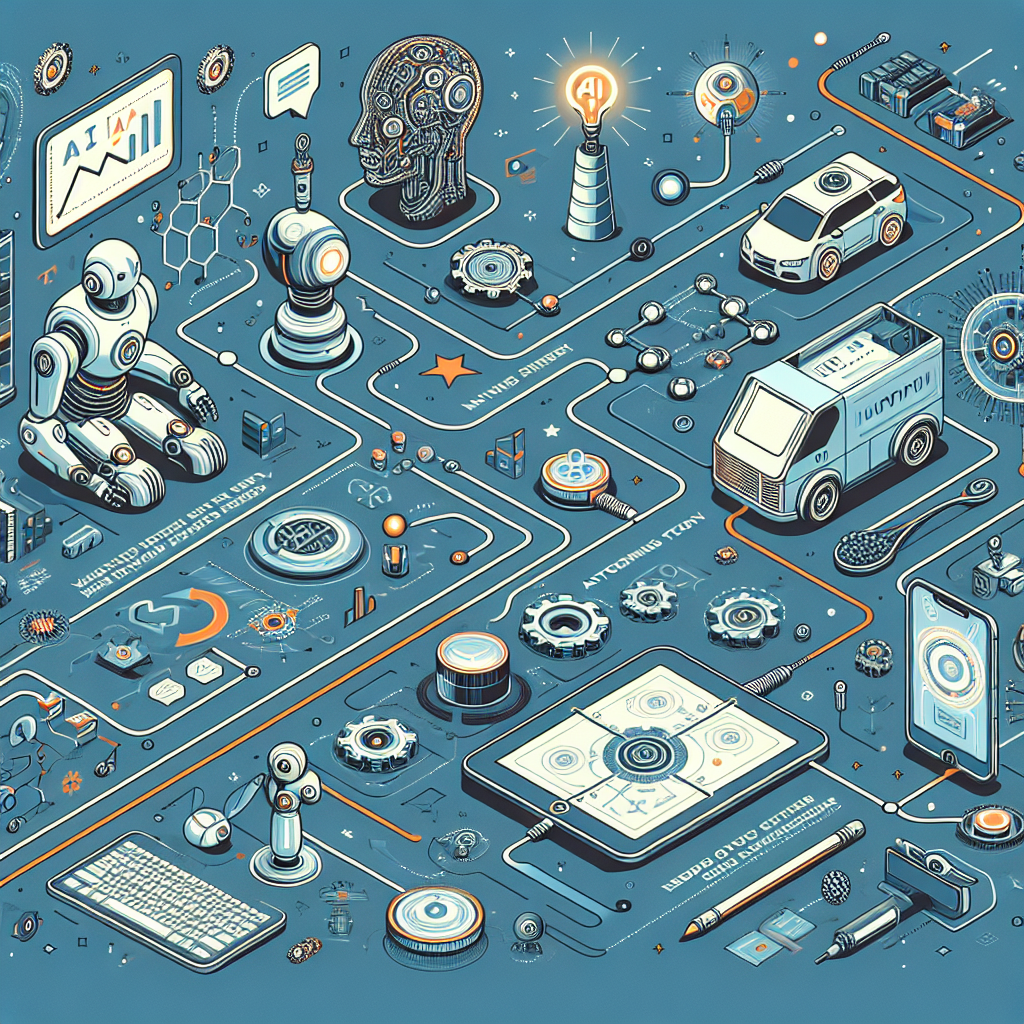
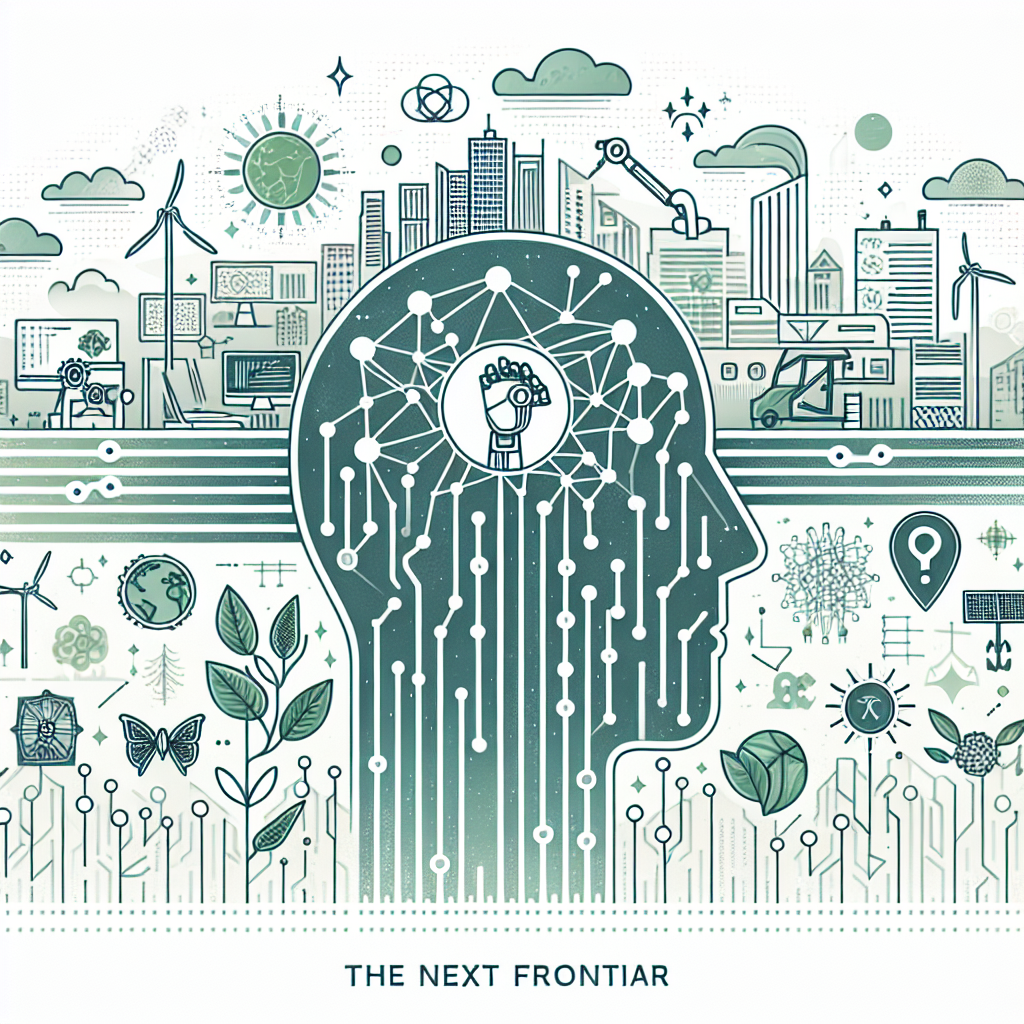
As we stand at the crossroads of technological advancement and environmental consciousness, the fusion of artificial intelligence (AI) and sustainability is emerging as the next frontier in business innovation. Companies are no longer just focusing on profits but are increasingly aware of their impact on the planet. This shift is not just a trend; it is a necessary evolution in response to the challenges of climate change, resource depletion, and social responsibility. In this blog post, we will explore how AI and sustainability are reshaping the business landscape and what this means for the future of organizations across the globe.
AI: The Catalyst for Sustainable Practices
Artificial intelligence is revolutionizing industries by providing tools that enhance efficiency and decision-making. When applied to sustainability, AI can help organizations minimize waste, optimize resource use, and reduce their carbon footprint. According to a report by PwC, AI could help reduce global greenhouse gas emissions by up to 4% by 2030, which is equivalent to the emissions produced by the entire country of Japan.
Smart Resource Management
One of the most significant applications of AI in sustainability is in resource management. For instance, companies like Google have implemented AI algorithms to optimize energy consumption in their data centers, resulting in a 40% reduction in energy usage. By analyzing usage patterns and predicting future demand, AI enables businesses to operate more efficiently and sustainably.
Supply Chain Optimization
AI is also transforming supply chains. Through predictive analytics, companies can forecast demand more accurately, reducing overproduction and minimizing waste. For example, Walmart employs machine learning to optimize inventory management, ensuring products are available when needed without excess stock. This not only saves costs but also lessens the environmental impact associated with overproduction and disposal.
Sustainability as a Competitive Advantage
As consumers become more environmentally conscious, businesses that prioritize sustainability are gaining a competitive edge. A 2022 survey by Nielsen indicated that 73% of millennials are willing to pay more for sustainable products. This trend underscores the importance of integrating sustainability into the core business strategy.
Building Brand Loyalty
Brands that commit to sustainable practices often enjoy enhanced customer loyalty. Patagonia, for instance, has built its brand around environmental activism, resonating deeply with consumers who value sustainability. Their "Don't Buy This Jacket" campaign encouraged customers to think twice about consumption, reinforcing their commitment to environmental responsibility and boosting brand loyalty.
Attracting Top Talent
Moreover, a commitment to sustainability can attract top talent. A 2021 study by Cone Communications revealed that 70% of employees want to work for a company that cares about its impact on the environment. Companies that prioritize sustainability not only appeal to consumers but also create a workplace culture that attracts passionate employees eager to contribute to a greater cause.
Innovative Solutions for a Sustainable Future
The intersection of AI and sustainability is also fostering innovation in product development and services. Companies are leveraging AI to create solutions that address environmental challenges while driving profitability.
Smart Agriculture
In agriculture, AI-powered technologies are enabling smarter farming practices. Precision agriculture uses AI to analyze soil conditions, weather patterns, and crop health, allowing farmers to optimize their yield while minimizing resource use. For example, companies like CropX are leveraging AI to provide farmers with data-driven insights, resulting in reduced water usage and improved crop productivity.
Circular Economy Initiatives
The circular economy is gaining traction as businesses recognize the need to reduce waste and extend the lifecycle of products. AI plays a crucial role in this transition by enabling better recycling processes and material recovery. Companies like Unilever are implementing AI-driven platforms to track product usage and optimize recycling efforts, ensuring that materials are reused rather than discarded.
Challenges and Considerations
While the integration of AI and sustainability offers tremendous potential, it also presents challenges. Issues such as data privacy, algorithmic bias, and the environmental impact of AI technologies themselves must be carefully managed. Businesses must adopt ethical practices and ensure that their AI initiatives do not inadvertently contribute to the problems they aim to solve.
Ethical AI Practices
Establishing guidelines for ethical AI use is critical. Companies should prioritize transparency, fairness, and accountability in their AI systems. This not only helps build trust with consumers but also ensures that AI tools are used responsibly in the pursuit of sustainability.
Conclusion: Embracing the Future
The convergence of AI and sustainability is not just a trend; it is a transformative movement that will define the future of business. Organizations that embrace this synergy will not only enhance their operational efficiency but also contribute positively to the planet. As we move forward, businesses must prioritize sustainable practices and leverage AI technologies to innovate and thrive in an increasingly conscious marketplace.
Actionable Takeaways:
- Invest in AI tools that enhance resource efficiency and reduce waste.
- Incorporate sustainability into your brand's identity to build loyalty and attract talent.
- Explore innovative solutions that align with circular economy principles.
- Establish ethical guidelines for AI usage to ensure responsible practices.
In this evolving landscape, those who lead with purpose and innovation will emerge as the pioneers of tomorrow's business world.