Beyond Algorithms: How AI and Automation Will Shape Consumer Expectations and Redefine Brand Loyalty by 2026
As we venture into the mid-2020s, the business landscape is undergoing a seismic shift driven by advancements in artificial intelligence (AI) and automation. These technologies are not merely tools for efficiency; they are redefining consumer expectations and transforming the very fabric of brand loyalty. In this blog post, we will explore the profound implications of AI and automation on consumer behavior and how brands can adapt to maintain loyalty in an increasingly competitive marketplace.
The AI Revolution: Redefining Consumer Expectations
In today’s digital age, consumers are more informed and connected than ever before. According to a report from McKinsey, nearly 70% of consumers expect companies to understand their individual needs and preferences. This shift towards personalization is largely fueled by the capabilities of AI. Machine learning algorithms can analyze vast amounts of data, enabling brands to provide tailored recommendations, targeted advertising, and personalized shopping experiences.
The Power of Predictive Analytics
Predictive analytics, powered by AI, allows brands to anticipate consumer behavior. For example, Amazon’s recommendation engine uses complex algorithms to suggest products based on previous purchases and browsing history. This level of personalization not only enhances the shopping experience but also cultivates a sense of brand loyalty. According to a study by Deloitte, 36% of consumers are more likely to become repeat buyers after a personalized shopping experience.
Automation: The New Standard in Customer Service
As consumer expectations rise, so does the demand for faster and more efficient customer service. Automation through chatbots and virtual assistants is becoming the new standard. A report by Gartner predicts that by 2026, over 70% of customer interactions will involve emerging technologies such as AI and automation.
Enhancing Customer Experience Through Automation
Imagine a scenario where a customer has a query at midnight. A chatbot, operational 24/7, can provide instant responses, solving issues without human intervention. Brands like Sephora and H&M have successfully implemented chatbots that not only answer questions but also assist in product selection, thereby providing a seamless customer experience. The result? Higher customer satisfaction and increased brand loyalty.
Building Trust in a Tech-Driven World
While AI and automation can enhance efficiency and personalization, they also raise concerns about data privacy and security. A survey by Cisco found that 84% of consumers want more control over their personal data. This highlights a crucial challenge for brands: how to leverage AI without compromising consumer trust.
Transparency as a Key Differentiator
To navigate this challenge, brands must prioritize transparency. Providing clear information about how consumer data is collected and used can foster trust. Brands can also give consumers more control over their data, allowing them to opt-in or opt-out of data collection practices. For instance, Apple’s privacy initiatives have positioned it as a leader in consumer trust, which has translated to increased loyalty among its users.
Creating Emotional Connections in a Digital Age
Despite the rise of AI and automation, the human element remains essential in fostering brand loyalty. As brands integrate technology into their operations, they must also focus on creating emotional connections with consumers. According to a study by Harvard Business Review, emotionally connected customers are more than twice as valuable as highly satisfied customers.
Personal Touch Through AI
Brands can leverage AI to enhance the emotional connection by delivering meaningful interactions. For instance, Netflix uses AI to curate personalized content recommendations, creating a sense of understanding and intimacy. Additionally, brands can use AI to send personalized messages on special occasions, such as birthdays, to foster a sense of belonging and appreciation.
Actionable Strategies for Brands
To thrive in this evolving landscape, brands must adopt several strategies:
- Invest in AI and Automation: Embrace technology to understand consumer behavior and streamline operations.
- Prioritize Customer Experience: Focus on creating seamless, personalized interactions at every touchpoint.
- Build Trust: Be transparent about data usage and prioritize consumer privacy.
- Enhance Emotional Connections: Use AI to personalize communications and create memorable experiences.
Conclusion: The Future of Brand Loyalty
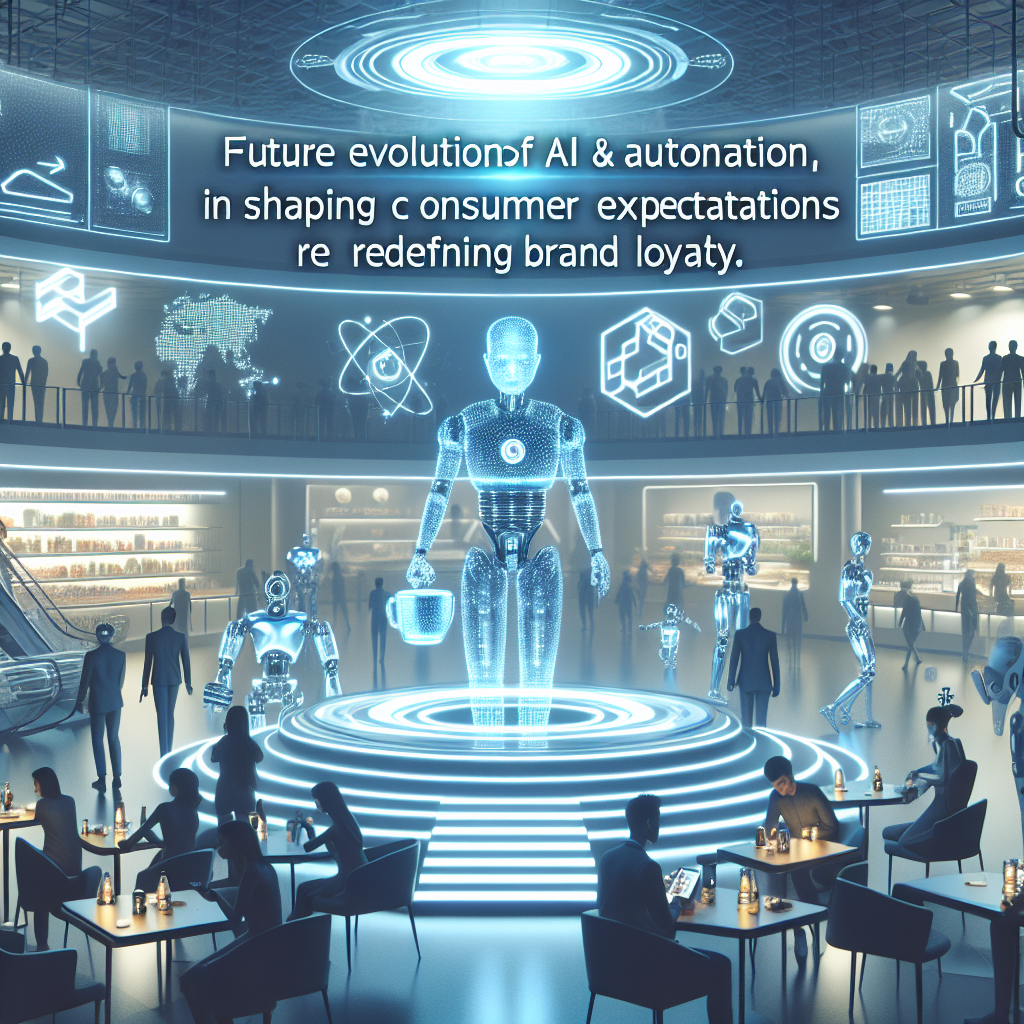
As we look towards 2026, the interplay between AI, automation, and consumer expectations will continue to evolve. Brands that successfully harness these technologies while maintaining a human touch will not only meet consumer expectations but will also cultivate lasting loyalty. By prioritizing personalization, efficiency, transparency, and emotional connections, businesses can navigate this new era and emerge as leaders in their industries. The future of brand loyalty lies in the ability to adapt, innovate, and connect meaningfully with consumers in a rapidly changing world.