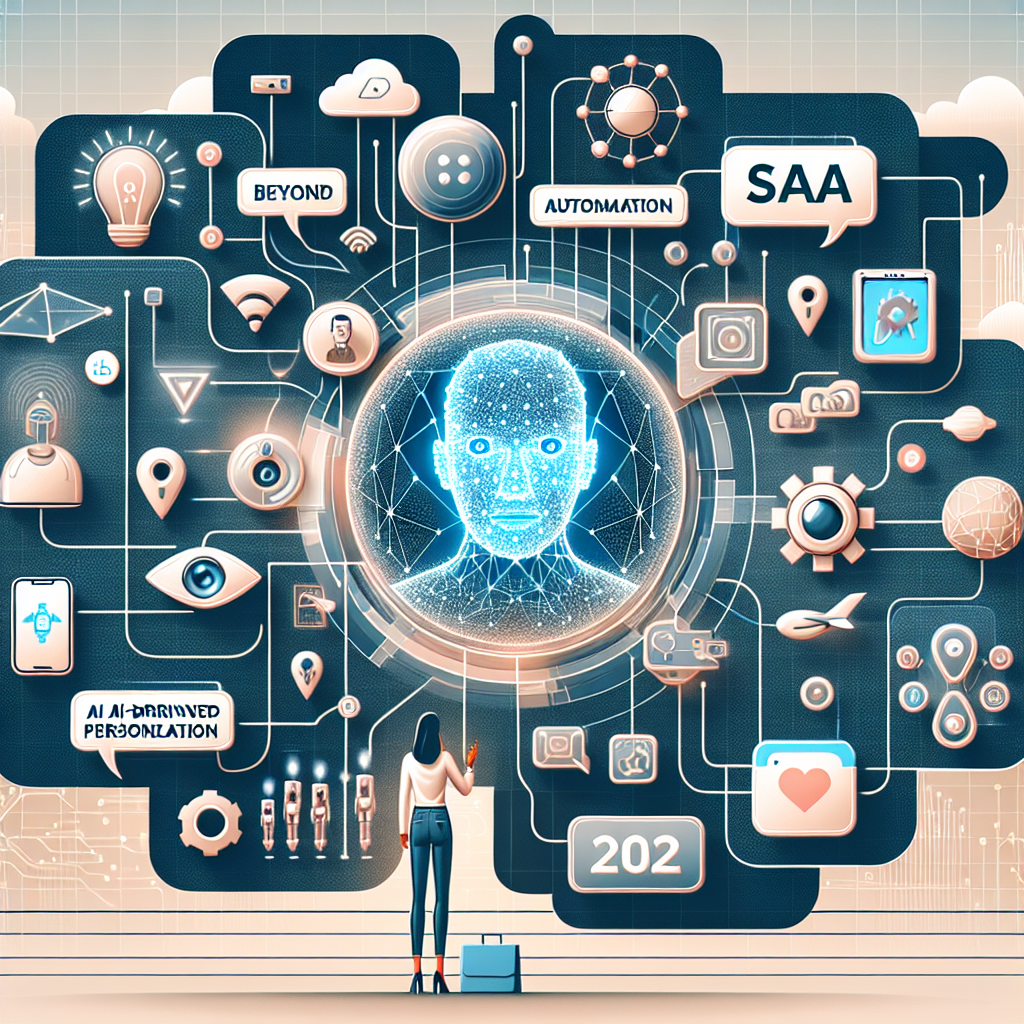
Beyond Automation: How AI-Driven Personalization Will Reshape SaaS Strategies by 2026
As we move deeper into the digital age, the intersection of artificial intelligence (AI) and software as a service (SaaS) is becoming increasingly pivotal. While many organizations have embraced automation to streamline operations, the next frontier lies in AI-driven personalization. By 2026, we can expect a seismic shift in SaaS strategies as businesses leverage AI to create more tailored customer experiences, foster loyalty, and drive revenue growth. In this blog post, we will explore how AI-driven personalization will reshape SaaS strategies and what businesses need to do to prepare for this transformation.
The Rise of Personalization in SaaS
Personalization is not a new concept; however, its application in SaaS has traditionally been limited to basic user settings and preferences. A 2021 report by McKinsey revealed that 71% of consumers expect companies to deliver personalized interactions. As AI technology evolves, SaaS companies have the opportunity to harness vast amounts of user data to create highly customized experiences. By 2026, we anticipate that personalization will move beyond mere customization features to become a core part of SaaS offerings.
Understanding User Behavior Through AI
Artificial intelligence enables SaaS providers to analyze user behavior in real-time, offering insights that can drive personalization. For instance, machine learning algorithms can identify patterns in how users interact with software, allowing companies to make proactive adjustments to enhance user experience. According to a report from Gartner, by 2025, 80% of organizations will use AI to drive customer engagement, signifying a shift towards more intelligent, data-driven strategies.
Consider a SaaS platform for project management. With AI-driven personalization, the platform could recommend task prioritization based on past performance, suggest relevant integrations, or even tailor notifications according to user preferences. This level of personalization not only improves user satisfaction but also increases retention rates, a critical metric for any SaaS business.
Benefits of AI-Driven Personalization
Implementing AI-driven personalization strategies offers several advantages for SaaS companies:
1. Enhanced Customer Experience
The primary benefit of personalization is the improved customer experience. By tailoring features and content to individual user needs, companies can make their software more intuitive and user-friendly. A study by Salesforce found that 62% of consumers expect companies to adapt based on their actions, highlighting the demand for personalized services.
2. Increased Customer Retention
Personalized experiences foster loyalty. When users feel understood and valued, they are less likely to churn. According to a report from Accenture, 33% of customers switch brands because they feel their needs are not being met. By leveraging AI, SaaS companies can proactively address user needs and preferences, significantly reducing churn rates.
3. Data-Driven Decision Making
AI-driven personalization provides valuable data insights that can guide strategic decisions. By understanding what features users engage with most, companies can prioritize development efforts and optimize their product roadmap accordingly. This data-centric approach not only improves the product but also aligns it closely with market demands.
Challenges and Considerations
While the benefits of AI-driven personalization are clear, there are challenges that SaaS companies must navigate:
1. Data Privacy Concerns
As businesses collect more user data to fuel personalization efforts, they must also address data privacy concerns. Compliance with regulations such as GDPR and CCPA is crucial. Companies must be transparent about data usage and ensure robust security measures are in place to protect user information.
2. Balancing Automation and Personal Touch
While automation can enhance efficiency, over-reliance on it can lead to a lack of human connection. SaaS providers must find a balance between automated personalization and maintaining the human touch in customer interactions. This can be achieved through hybrid models that combine AI insights with human expertise.
Preparing for the Future: Actionable Strategies
To successfully implement AI-driven personalization in SaaS strategies by 2026, companies should consider the following actionable steps:
1. Invest in AI Technologies
Investing in advanced AI technologies and tools is essential. This includes machine learning platforms, data analytics tools, and customer relationship management (CRM) software that integrates AI capabilities. These investments will lay the foundation for effective personalization strategies.
2. Focus on Data Quality
Quality data is the backbone of effective personalization. SaaS companies should prioritize data collection processes, ensuring that data is accurate, relevant, and secure. Regular audits and updates to data management practices will enhance the effectiveness of AI algorithms.
3. Foster a Customer-Centric Culture
Encouraging a culture that prioritizes customer feedback and insights will drive successful personalization efforts. Engaging with users, understanding their needs, and iterating based on their feedback will create a more responsive and user-focused product.
Conclusion
The next three years will be critical for SaaS companies as they transition from automation to AI-driven personalization. By understanding user behavior, enhancing customer experiences, and addressing challenges related to data privacy, businesses can position themselves for success in a competitive landscape. As we approach 2026, the companies that prioritize personalization will not only meet customer expectations but will also foster loyalty and drive growth. To stay ahead, embrace these strategies today and prepare for a future where personalized experiences are the norm.