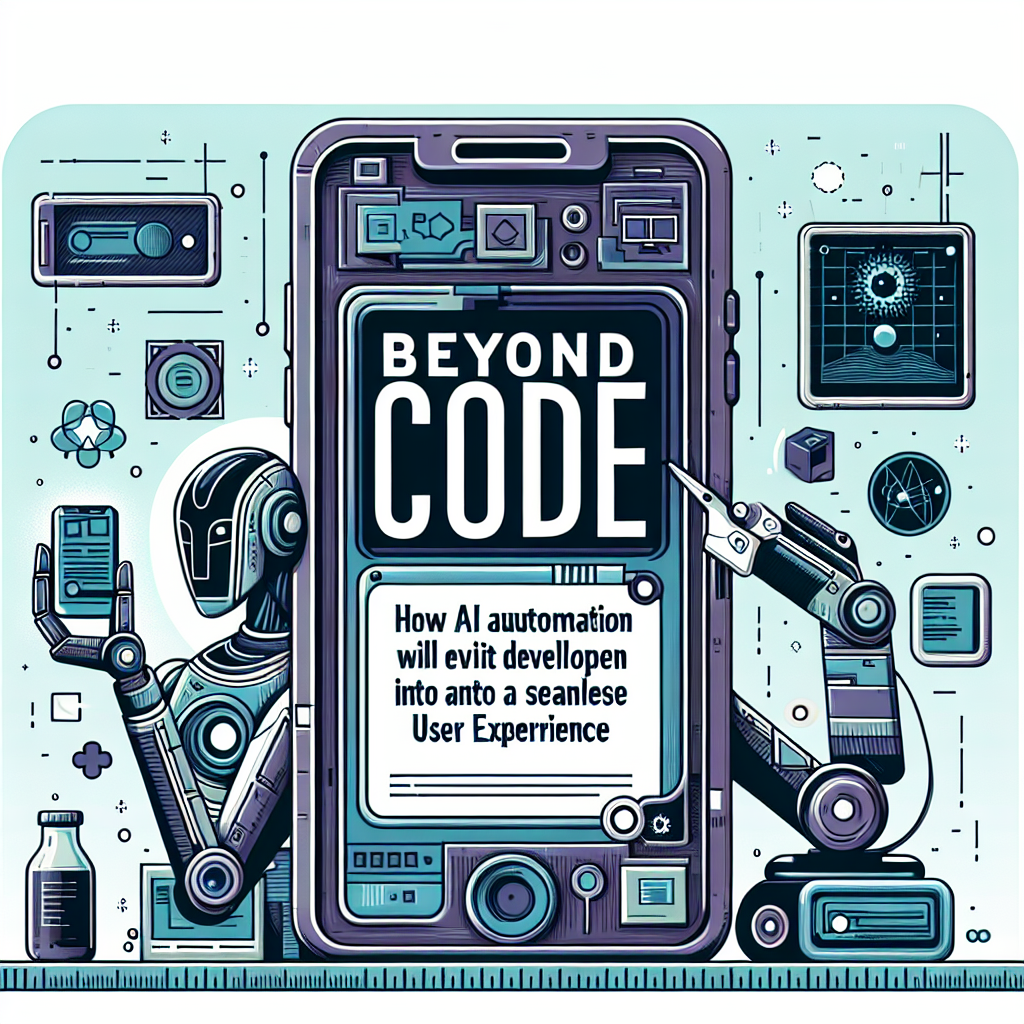
Beyond Code: How AI and Automation Will Elevate Mobile Development into a Seamless User Experience by 2026
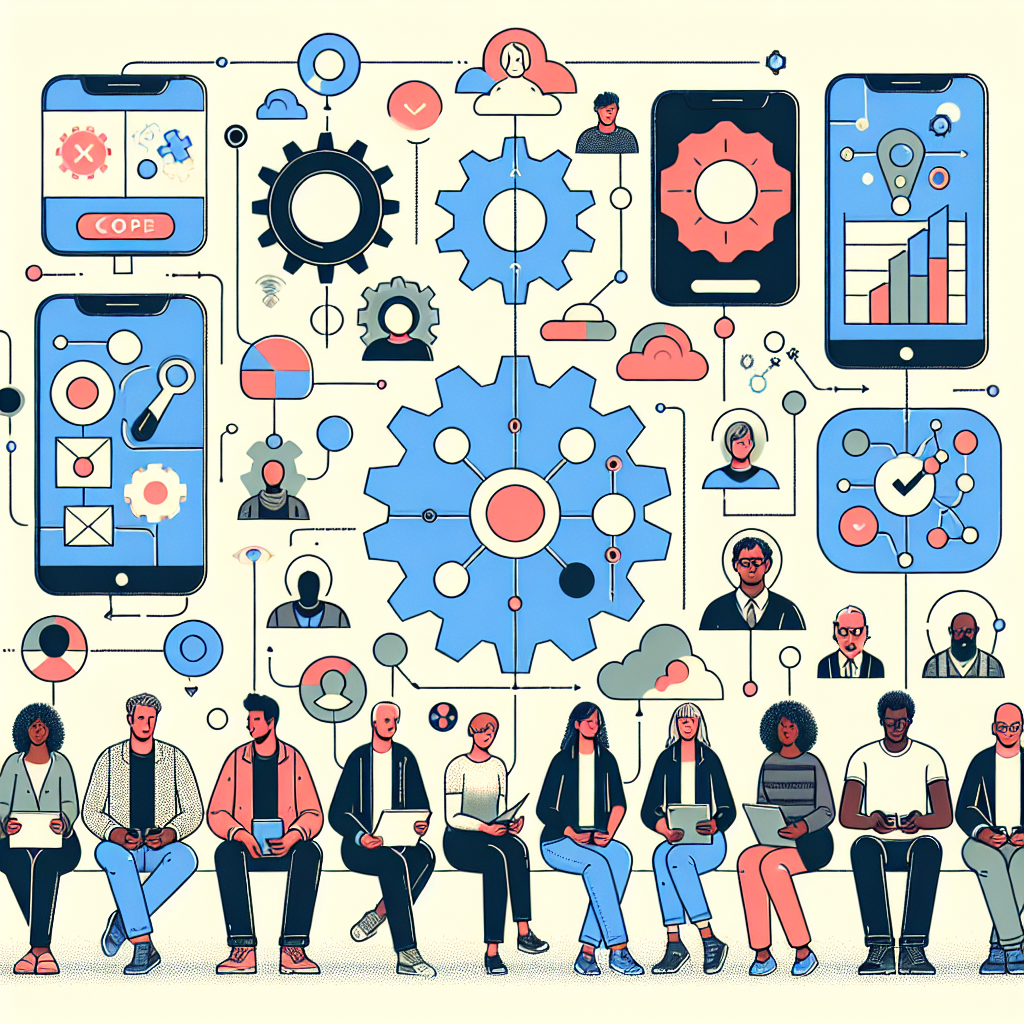
As we stand on the cusp of a technological revolution, it's clear that the future of mobile development is being redefined. The integration of artificial intelligence (AI) and automation into mobile applications is not just a trend; it is a transformative force that promises to elevate user experiences to unprecedented levels. By 2026, we can expect a landscape where the lines between human interaction and machine efficiency blur, resulting in seamless, personalized, and intuitive mobile applications. This blog post explores how AI and automation are set to reshape mobile development, enhancing user experiences and setting new industry standards.
Understanding the Role of AI in Mobile Development
AI has already begun to play a pivotal role in various domains, and mobile development is no exception. According to a report by Gartner, 80% of emerging technologies will be driven by AI by 2026. This statistic underscores the significance of AI's influence on mobile applications.
Personalization at Scale
One of the most compelling advantages of AI in mobile development is its ability to deliver personalized experiences. Machine learning algorithms can analyze user behavior, preferences, and interactions to curate content that resonates with individual users. For instance, streaming services like Netflix and Spotify use AI to recommend shows and music tailored to user tastes, significantly enhancing engagement and satisfaction.
Intelligent Assistants and Chatbots
AI-powered chatbots and virtual assistants are becoming increasingly sophisticated, providing users with real-time support and information. For mobile applications, this means that users can interact with a smart assistant that understands context, learns from previous interactions, and provides relevant answers. Companies like Google and Apple are already embedding AI into their mobile platforms, making user interactions smoother and more efficient.
Automation: Streamlining Development Processes
With the growing complexity of mobile applications, automation is emerging as a crucial component in the development lifecycle. Automating repetitive tasks not only accelerates the development process but also reduces the likelihood of errors, allowing developers to focus on creative and strategic tasks.
Testing and Quality Assurance
Automated testing tools powered by AI can analyze code and user interactions, identifying bugs and performance issues before they impact users. This shift to automated testing allows developers to maintain a high standard of quality while speeding up the release cycle. According to a recent study by Capgemini, businesses that adopt automation in testing experience a 30% reduction in time to market.
Continuous Integration and Deployment (CI/CD)
Automation in CI/CD pipelines is revolutionizing how applications are built, tested, and deployed. By automating these processes, developers can ensure that every change made to the code is integrated and tested automatically, significantly reducing the time it takes to deliver updates to users. In a competitive market, this capability is invaluable as it allows companies to respond swiftly to user feedback and market demands.
The User-Centric Approach: Designing for Experience
As technology evolves, the focus of mobile development is shifting from merely functional applications to creating holistic user experiences. AI and automation are essential tools in achieving this goal, but the underlying philosophy remains: user-centric design.
Emphasizing Accessibility
In the quest for seamless user experiences, accessibility plays a vital role. AI can enhance accessibility features, making applications usable for individuals with disabilities. For example, voice recognition technology allows visually impaired users to navigate mobile applications more easily, while AI-driven text-to-speech solutions can assist those with reading difficulties. By 2026, we can expect mobile applications to be more inclusive, ensuring that all users can enjoy the benefits of technology.
Enhanced User Interfaces
AI is also set to revolutionize user interface (UI) design. By analyzing user interactions, AI can suggest optimal UI layouts that improve usability and satisfaction. Techniques like adaptive design, where the application interface changes based on user behaviors and preferences, will become commonplace. This level of personalization can significantly boost user retention and engagement.
Conclusion: Preparing for the Future of Mobile Development
The integration of AI and automation into mobile development is not just about enhancing technical capabilities; it’s about creating a user experience that feels intuitive and seamless. As we look toward 2026, developers, businesses, and users must embrace this evolution. Here are a few actionable takeaways:
- Invest in AI Tools: Developers should explore AI-powered tools that can enhance personalization and streamline development processes.
- Focus on User Experience: Prioritize user-centric design principles to create applications that cater to diverse needs and preferences.
- Embrace Automation: Implement automation in testing and deployment to ensure high-quality applications with faster turnaround times.
- Stay Informed: Keep abreast of new advancements in AI and automation technologies to leverage them effectively in mobile development.
The future of mobile development is bright, and those who harness the power of AI and automation will lead the way in creating extraordinary user experiences. As we move forward, let’s embrace these innovations and redefine what’s possible in mobile technology.