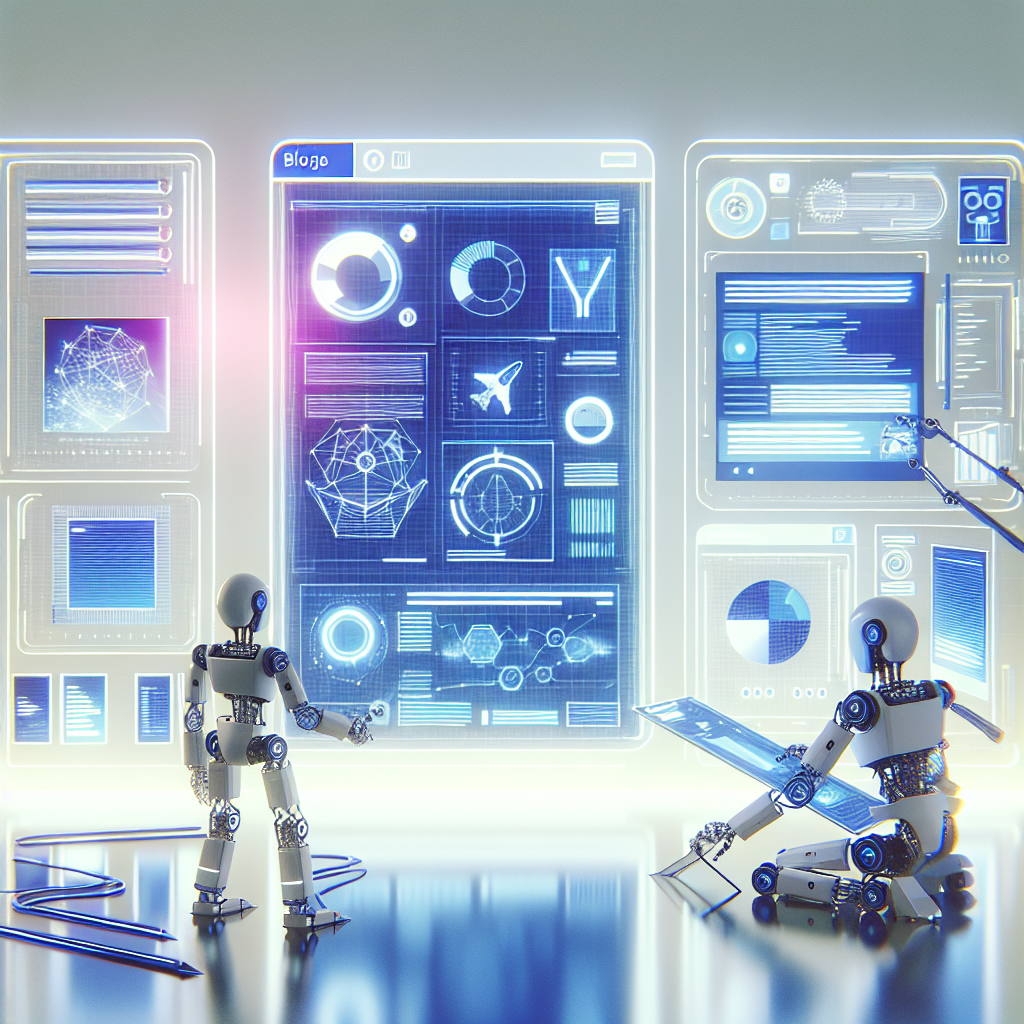
Beyond Code: How AI-Driven Automation Will Reshape Web Development Strategies by 2026
The digital landscape is evolving at an unprecedented pace, and nowhere is this more evident than in web development. As we approach 2026, the integration of AI-driven automation is set to redefine how developers, designers, and businesses approach creating and maintaining websites. This transformation promises not only to enhance efficiency but also to elevate the user experience in ways we have yet to fully comprehend. In this blog post, we will explore the key trends, technologies, and strategies that will shape the future of web development in the age of AI.
The Rise of AI in Web Development
Artificial intelligence has already made significant inroads into various industries, and web development is no exception. According to a report by Gartner, by 2026, over 70% of web development tasks will be automated using AI technologies. This evolution is driven by the need for speed, efficiency, and the ever-increasing complexity of web applications.
Understanding AI-Driven Automation
AI-driven automation in web development involves using machine learning algorithms and intelligent systems to perform tasks traditionally carried out by human developers. This includes everything from coding and testing to deploying and maintaining web applications. By leveraging AI tools, developers can focus on high-level strategic thinking rather than getting bogged down in repetitive coding tasks.
Key Technologies Influencing Web Development
Several emerging technologies are contributing to the rise of AI-driven automation in web development:
1. No-Code and Low-Code Platforms
No-code and low-code development platforms have gained substantial traction, allowing users with little to no coding experience to create applications. According to Forrester, the market for low-code development is expected to reach $21 billion by 2026. These platforms utilize AI to simplify complex processes, enabling developers to automate routine tasks and streamline workflows effectively.
2. AI-Powered Code Generators
Tools like GitHub Copilot and OpenAI's Codex are revolutionizing how developers write code. These AI-powered code generators can suggest code snippets, identify bugs, and even write entire functions based on natural language descriptions. This not only accelerates the coding process but also improves code quality, as developers can leverage AI's vast knowledge base.
3. Predictive Analytics for User Experience
Integrating AI into web development allows for a deeper understanding of user behavior. Predictive analytics tools can analyze vast amounts of data to forecast user needs and preferences. For instance, platforms like Adobe Analytics use machine learning algorithms to provide insights that help businesses tailor their web strategies, enhancing user engagement and satisfaction.
Transforming Web Development Strategies
As AI-driven automation reshapes web development, teams will need to adapt their strategies to stay competitive. Here are a few key areas where changes will be most apparent:
1. Enhanced Collaboration Between Humans and Machines
The future of web development will see a collaborative relationship between developers and AI tools. Rather than viewing AI as a replacement, developers will act as overseers, guiding AI to optimize workflows and make informed decisions. This collaborative approach can lead to more innovative solutions and faster project delivery.
2. Focus on User-Centric Design
AI's ability to analyze user data will empower developers to create more personalized and intuitive web experiences. By understanding user behavior patterns, developers can design interfaces that cater specifically to user needs, ultimately leading to higher conversion rates and customer satisfaction.
3. Continuous Learning and Adaptation
As AI technologies evolve, web development teams must embrace a culture of continuous learning. Training in AI tools and understanding their implications will be crucial for developers to remain relevant in the field. Organizations that invest in upskilling their workforce will likely outperform competitors who do not.
Conclusion: Embracing the Future of Web Development
The landscape of web development is undergoing a seismic shift, driven by AI and automation. As we look towards 2026, embracing these changes will be essential for developers and businesses alike. By leveraging AI tools, focusing on user-centric design, and fostering a collaborative environment between humans and machines, we can redefine what is possible in web development.
To prepare for this future, developers should start exploring AI-driven tools and platforms now, invest time in learning new skills, and remain agile in their approach to projects. The road ahead may be complex, but with the right strategies in place, the opportunities are boundless. Embrace the future of web development—it’s not just about coding anymore; it’s about creating intelligent, dynamic experiences that resonate with users.