Beyond Code: How AI-Driven Personalization Will Shape Mobile Development Strategies by 2026
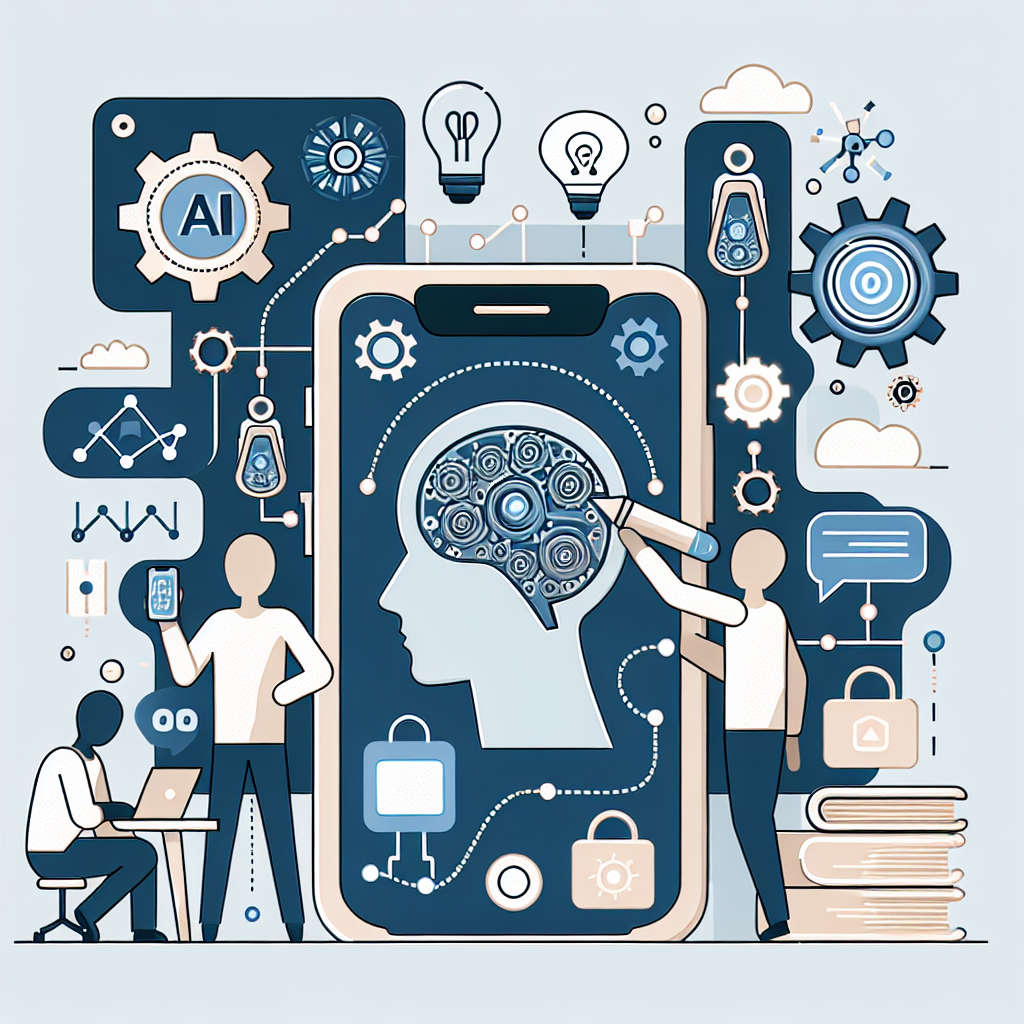
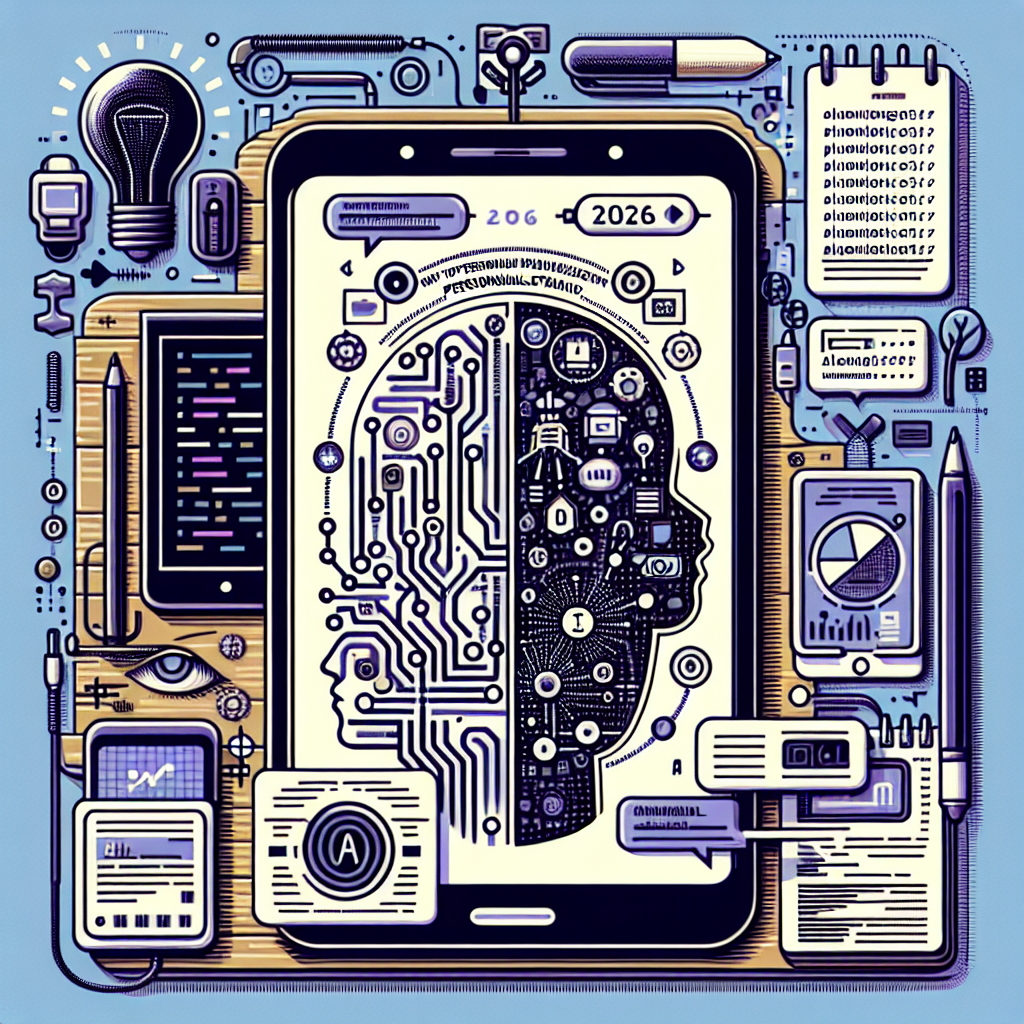
As technology continues to advance, the mobile development landscape is evolving at an unprecedented pace. By 2026, the integration of AI-driven personalization will not only redefine user experiences but also significantly reshape mobile development strategies. With consumers increasingly expecting tailored experiences, developers must adapt their approaches to meet these demands. In this article, we'll explore how AI is revolutionizing mobile development and what strategies developers should adopt to stay ahead of the curve.
The Rise of Personalization in Mobile Applications
Personalization has become a buzzword in the tech industry. According to a report by Epsilon, 80% of consumers are more likely to make a purchase when brands offer personalized experiences. This statistic underscores the importance of customization in today's mobile applications. Users are no longer satisfied with one-size-fits-all solutions; they crave experiences that resonate with their individual preferences and behaviors.
Understanding User Behavior Through Data
At the heart of AI-driven personalization lies data analysis. Mobile applications can leverage user data to identify patterns and preferences. For instance, Spotify uses algorithms to analyze listening habits, allowing it to create personalized playlists for users. By 2026, we can expect mobile apps to utilize even more sophisticated AI algorithms that will analyze vast amounts of data in real-time, enabling developers to create experiences tailored to each user’s journey.
AI Technologies Transforming Mobile Development
Several AI technologies are transforming mobile development strategies. Machine learning, natural language processing, and predictive analytics are just a few examples. Let's delve into each of these technologies and how they contribute to a more personalized mobile experience.
Machine Learning for Predictive Personalization
Machine learning algorithms can analyze user data to predict future behavior. For mobile developers, this means that apps can proactively present content or features that users are likely to engage with. For example, an e-commerce app could use machine learning to recommend products based on previous purchases and browsing history. By 2026, we expect to see mobile applications that not only react to user input but anticipate needs, creating a seamless and engaging user experience.
Natural Language Processing (NLP) Enhancing User Interaction
NLP is revolutionizing how users interact with mobile applications. By enabling apps to understand and respond to human language, developers can create chatbots and virtual assistants that provide personalized support. For instance, Apple’s Siri and Google Assistant have already set a precedent for voice-activated interactions, but future advancements will lead to even more intuitive experiences. By integrating NLP, developers can ensure their apps understand user queries and provide tailored responses, thereby enhancing user satisfaction.
Challenges to Implementing AI-Driven Personalization
While the benefits of AI-driven personalization are clear, there are several challenges that developers must navigate. Data privacy concerns, the complexity of AI systems, and the need for ongoing maintenance can pose significant hurdles.
Data Privacy and Ethical Considerations
As personalization relies heavily on user data, developers must prioritize data privacy and ethical considerations. With regulations like GDPR and CCPA in place, it’s crucial for developers to ensure compliance while still delivering personalized experiences. Transparency about data usage and empowering users to control their data will be vital in building trust and loyalty.
Balancing Personalization with User Experience
Another challenge is finding the right balance between personalization and user experience. Over-personalization can lead to a feeling of being monitored, which can alienate users. Developers must find ways to provide personalized experiences without compromising user autonomy. Testing and iterating based on user feedback will be essential to strike this balance effectively.
Strategies for Developers to Embrace AI-Driven Personalization
As we look towards 2026, it’s clear that developers must adopt proactive strategies to embrace AI-driven personalization. Here are some actionable takeaways:
- Invest in Data Analytics: Leverage data analytics tools to gain insights into user behavior. This will help in identifying trends and preferences that can inform personalization strategies.
- Focus on User-Centric Design: Prioritize user experience by incorporating feedback loops. Regularly seek user input to refine personalization features that align with their expectations.
- Stay Compliant with Regulations: Ensure that your app complies with data privacy laws. Be transparent about data usage and empower users to manage their data preferences.
- Experiment with AI Technologies: Don’t shy away from experimenting with machine learning and NLP. Start small, with features like personalized recommendations or chatbots, and gradually scale up based on user response.
Conclusion
As we approach 2026, the mobile development landscape will be increasingly defined by AI-driven personalization. By understanding user behavior, leveraging advanced AI technologies, and addressing the challenges of implementation, developers can create applications that not only meet but exceed user expectations. The future of mobile development is not just about writing code; it's about crafting personalized experiences that resonate with users. By adopting the strategies outlined in this article, developers can position themselves at the forefront of this exciting evolution.