Beyond Data: Navigating the Symbiosis of AI and Consumer Emotion in Marketing Strategies for 2026
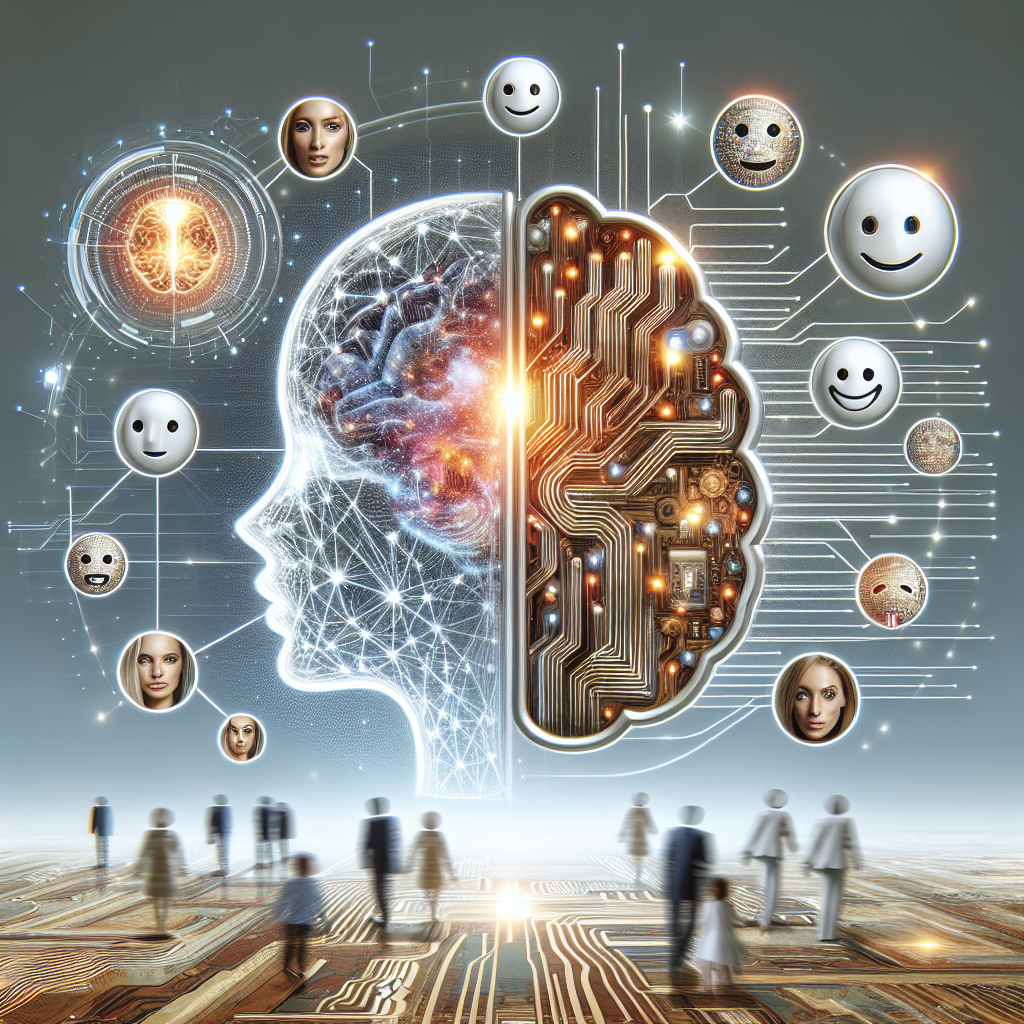
As we step into 2026, the marketing landscape is being reshaped by an intricate blend of artificial intelligence (AI) and consumer emotions. With consumers becoming more discerning and emotionally intelligent, the old paradigms of data-driven marketing are evolving. The question now is not just how much data we can gather, but how we can effectively interpret and leverage that data to resonate with consumers on a deeper emotional level. This post explores the symbiotic relationship between AI and consumer emotion, providing insights on how marketers can navigate this complex terrain for effective strategies in the coming years.
The Rise of Emotionally Intelligent Marketing
In a world inundated with information, consumers are seeking brands that understand their emotions. According to a study by McKinsey & Company, emotionally connected customers are more than twice as valuable as highly satisfied customers. They exhibit higher loyalty, are more likely to recommend brands, and tend to spend more. This shift underscores the importance of emotionally intelligent marketing strategies.
Understanding Emotional Triggers
Marketers must identify what drives consumer emotions. Research shows that emotional triggers such as happiness, fear, and nostalgia can significantly influence purchasing decisions. For instance, a campaign that invokes nostalgia can create a powerful connection, as seen in Coca-Cola's "Share a Coke" campaign, which personalized bottles with names and sparked fond memories among consumers.
The Role of AI in Understanding Consumer Emotions
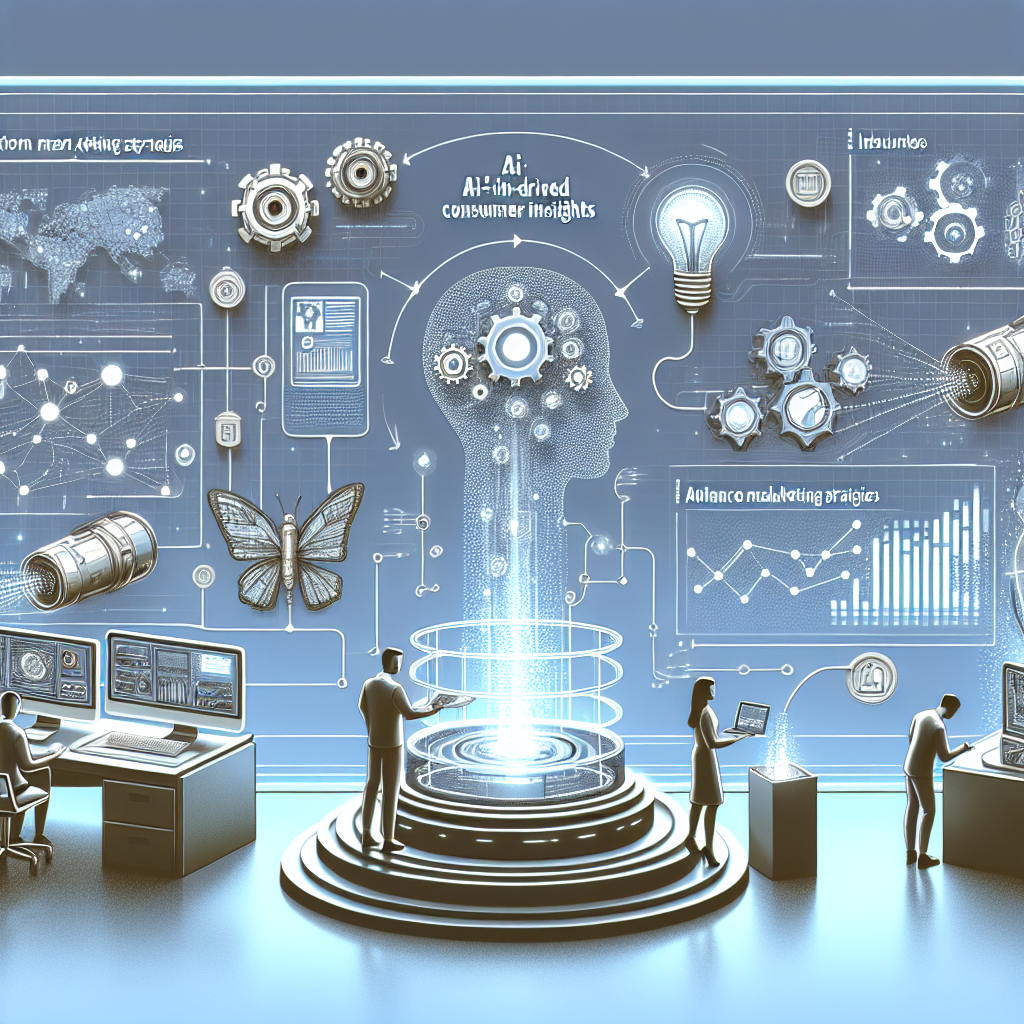
AI is revolutionizing how we understand consumer emotions. Tools powered by machine learning and natural language processing can analyze vast amounts of data, from social media sentiments to customer feedback, providing marketers with insights into how consumers feel about their brands.
Sentiment Analysis and Predictive Analytics
Sentiment analysis tools can gauge public opinion and emotional responses to marketing campaigns. For example, companies like Brandwatch offer sophisticated analytics that track consumer sentiments in real time. By employing predictive analytics, brands can forecast emotional responses to future campaigns, allowing for proactive adjustments that enhance emotional resonance.
Creating Emotionally Engaging Content
Crafting content that resonates emotionally requires a deep understanding of the target audience. Marketers should focus on storytelling, as narratives can evoke empathy and foster connections. A HubSpot report reveals that storytelling can increase engagement by up to 300%. Brands like Nike and Apple excel in this area, using stories to highlight their brand values and connect emotionally with their audience.
Utilizing AI for Personalized Experiences
AI can facilitate personalized marketing experiences that cater to individual consumer emotions. By analyzing past behavior, preferences, and emotional responses, AI can help brands deliver tailored messages. For instance, Spotify uses AI to curate playlists based on users’ moods, enhancing user experience and emotional engagement.
The Ethical Considerations of AI and Emotion
As marketers embrace AI to tap into consumer emotions, ethical considerations must be at the forefront. The line between genuine emotional connection and manipulation can be thin. Brands must ensure transparency and authenticity in their marketing efforts. A survey conducted by Forbes found that 86% of consumers are willing to pay more for a better customer experience, but they expect brands to respect their privacy and use data responsibly.
Building Trust Through Authenticity
To foster trust, brands should prioritize authentic communication. This means being transparent about data usage and the AI technologies employed. Engaging in open dialogues on social media and responding to customer concerns can also enhance brand loyalty. As seen with brands like Patagonia, authenticity in messaging can build a loyal consumer base grounded in shared values.
Conclusion: Navigating the Future of Marketing
The intersection of AI and consumer emotion is redefining marketing strategies for 2026 and beyond. As brands strive to connect with consumers on a deeper level, the focus must shift from mere data collection to understanding and addressing emotional needs. Here are some actionable takeaways for marketers:
- Invest in AI tools that analyze consumer sentiment and emotional triggers.
- Utilize storytelling to create compelling content that resonates emotionally with your audience.
- Prioritize personalized experiences while ensuring transparency and ethical data usage.
- Engage with your audience authentically to build trust and loyalty.
By embracing this symbiotic relationship between AI and consumer emotion, brands can craft marketing strategies that not only drive sales but also foster lasting emotional connections with their consumers. The future of marketing lies in understanding that data is just the beginning; the real magic happens when we connect with the hearts of our consumers.