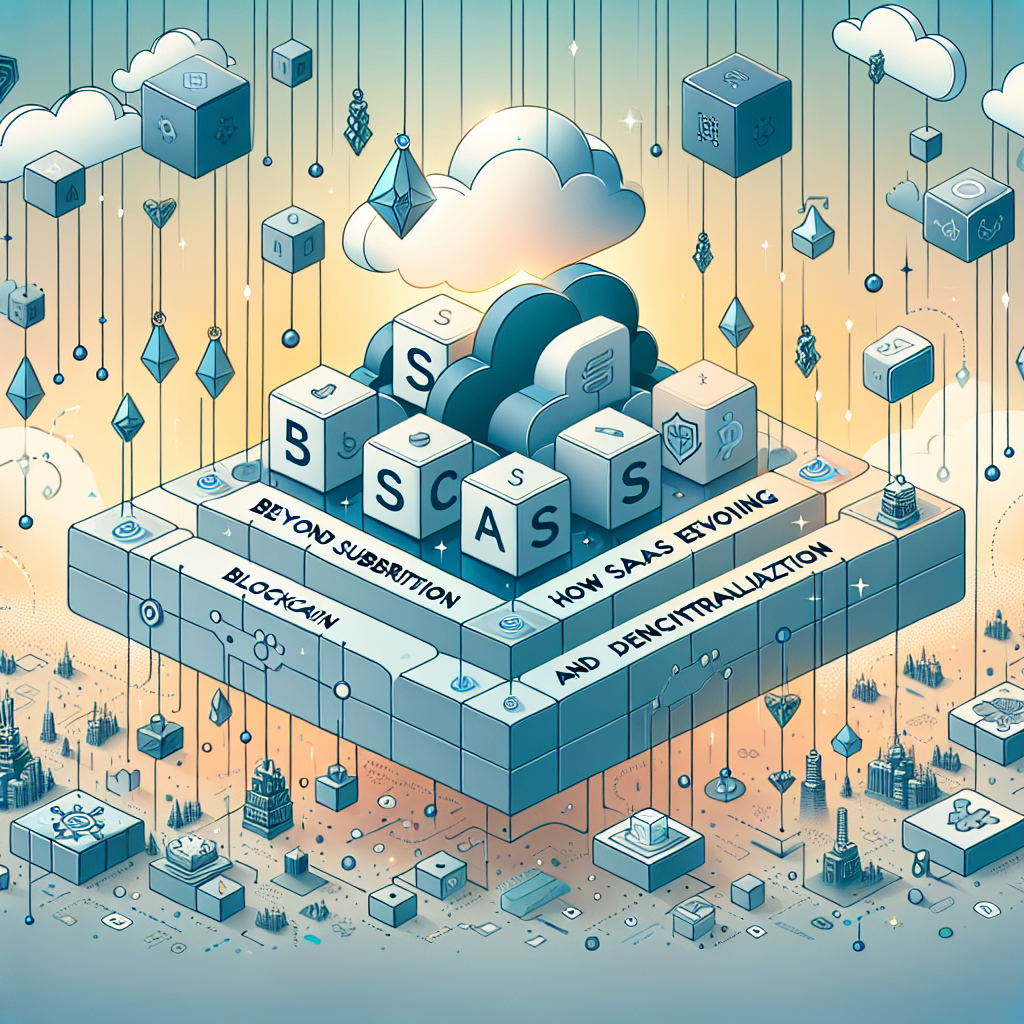
Beyond Subscription: How SaaS is Evolving with Blockchain and Decentralization
In the ever-evolving landscape of technology, the Software as a Service (SaaS) model has established itself as a cornerstone of modern business operations. Traditionally, SaaS has operated on a subscription model, providing users with software solutions delivered over the internet. However, as we venture deeper into the digital age, two powerful forces—blockchain technology and decentralization—are transforming the SaaS paradigm. This evolution promises not only to enhance security and transparency but also to redefine the relationship between service providers and users. In this article, we will explore how these technologies are reshaping SaaS and what this means for businesses and consumers alike.
The Rise of Blockchain in SaaS
Blockchain technology, often associated with cryptocurrencies like Bitcoin, is a decentralized ledger system that records transactions across many computers. This ensures that the recorded transactions cannot be altered retroactively, providing an unprecedented level of security and trust. In the context of SaaS, blockchain offers several compelling benefits.
Enhanced Security and Data Integrity
One of the primary concerns for businesses using SaaS solutions is data security. With cyberattacks becoming increasingly sophisticated, organizations are prioritizing the protection of sensitive information. Blockchain's immutable nature ensures that once data is entered into the system, it cannot be tampered with. For instance, companies like Ledger are already leveraging blockchain to secure financial transactions and user data, providing peace of mind to both businesses and consumers. Moreover, decentralized data storage reduces the risk of a single point of failure, making systems more resilient against attacks.
Smart Contracts for Automation
Another significant advancement brought about by blockchain is the concept of smart contracts. These self-executing contracts with the terms of the agreement directly written into code can automate processes within SaaS applications. For example, a freelance platform could utilize smart contracts to automatically release payment upon project completion, reducing administrative overhead and enhancing trust between parties. By streamlining operations, businesses can focus more on their core activities rather than getting bogged down by manual processes.
Decentralization: A New Business Model
Decentralization is a key principle of blockchain technology, and its implications for SaaS are profound. Traditionally, SaaS providers have operated as centralized entities, controlling access to their software and the data generated within it. Decentralization, however, allows for a more distributed approach, giving users more control over their data and usage.
User Empowerment and Ownership
With decentralized SaaS models, users can own their data rather than relinquishing it to a service provider. This shift not only enhances privacy but also empowers users to monetize their data if they choose. For instance, platforms like Podex are emerging, allowing users to share their data securely and earn rewards in return. This user-centric model aligns with the growing demand for transparency and control in the digital age, fostering a more equitable relationship between consumers and service providers.
Lower Costs and Improved Accessibility
Decentralization can also lead to reduced costs for both providers and users. Without the need for a centralized infrastructure, operational expenses can be significantly lowered. This is particularly beneficial for small businesses and startups that may find traditional SaaS pricing models prohibitive. Furthermore, decentralized platforms can enhance accessibility, allowing users from various regions, including those underserved by traditional tech infrastructures, to access essential software solutions. This democratization of technology can drive innovation and growth in various sectors.
The Future of SaaS: Opportunities and Challenges
As SaaS continues to evolve with blockchain and decentralization, several opportunities and challenges will shape its future. Organizations that embrace these technologies can position themselves as leaders in their industries, offering innovative solutions that prioritize security, transparency, and user empowerment.
Opportunities for Innovation
Startups and established companies alike will find numerous opportunities to innovate. For instance, sectors like healthcare can benefit immensely from decentralized SaaS solutions that securely manage patient data while ensuring compliance with regulations. Additionally, industries such as supply chain management can leverage blockchain for real-time tracking and verification of goods, enhancing efficiency and trust.
Challenges to Overcome
Despite the exciting potential, there are challenges that must be addressed. Regulatory hurdles, the need for interoperability between different blockchain systems, and the general lack of understanding about these technologies present significant obstacles. Educating stakeholders about the benefits and functionalities of decentralized SaaS solutions will be crucial for widespread adoption.
Conclusion: Embracing the New Era of SaaS
The convergence of SaaS with blockchain technology and decentralization marks a pivotal moment in the digital landscape. By enhancing security, empowering users, and fostering innovation, these advancements offer a promising future for businesses and consumers alike. As we move forward, organizations must remain agile, embracing these technologies to stay competitive and relevant in an increasingly complex market.
For businesses looking to leverage these trends, the following actionable takeaways can pave the way for a successful transition:
- Research and understand blockchain applications relevant to your industry.
- Consider adopting decentralized solutions that prioritize user data ownership and security.
- Stay informed about regulatory developments related to blockchain and SaaS.
- Foster a culture of innovation within your organization to explore new business models.
As we stand on the brink of this new era in SaaS, the opportunities are vast. The question remains: will your business be at the forefront of this transformation?