Beyond the Horizon: How AI and Automation Will Reshape Business Strategy in 2026 and Beyond
As we stand on the precipice of a new era in business, the integration of artificial intelligence (AI) and automation is proving to be a game-changer. By 2026, we can expect these technologies to not only enhance operational efficiency but also to redefine business strategies across various sectors. Understanding how to harness these advancements will be crucial for companies aiming to thrive in an increasingly competitive landscape. In this blog post, we will explore the transformative potential of AI and automation, examining their impact on decision-making, customer engagement, and overall business models.
The AI Revolution: A New Strategic Paradigm
The proliferation of AI technologies is reshaping the way businesses formulate strategies. According to a 2023 report by McKinsey, companies that have integrated AI into their business models have experienced a 20-30% increase in productivity. This surge is not merely a byproduct of automation; it reflects a fundamental shift in how businesses approach problem-solving and decision-making.
Data-Driven Decision Making
In 2026, the ability to leverage vast amounts of data will be paramount. AI algorithms can process and analyze data at an unprecedented scale, enabling businesses to glean insights that were previously unattainable. For example, predictive analytics can forecast market trends with remarkable accuracy, allowing companies to make proactive rather than reactive decisions.
Moreover, AI-driven analytics tools, such as Tableau and Google Analytics, are becoming increasingly sophisticated. They provide real-time insights that can enhance strategic planning. Companies that embrace these tools will not only stay ahead of the competition but also adapt quickly to changing market dynamics.
Enhancing Customer Engagement Through Automation
Customer expectations are evolving rapidly, driven by advancements in technology and access to information. In this environment, businesses must prioritize customer engagement to foster loyalty and satisfaction. By 2026, automation tools such as chatbots and personalized marketing platforms will play a crucial role in enhancing the customer experience.
Chatbots and AI Customer Service
AI-driven chatbots are no longer a novelty; they are becoming essential components of customer service strategies. According to Gartner, by 2026, 70% of customer interactions will involve emerging technologies like chatbots. These automated systems provide instant responses to customer inquiries, improving accessibility and efficiency.
For instance, companies like Sephora have successfully implemented AI chatbots to assist customers in finding products tailored to their preferences, resulting in a more personalized shopping experience. This not only boosts customer satisfaction but also drives sales conversions.
Redefining Business Models
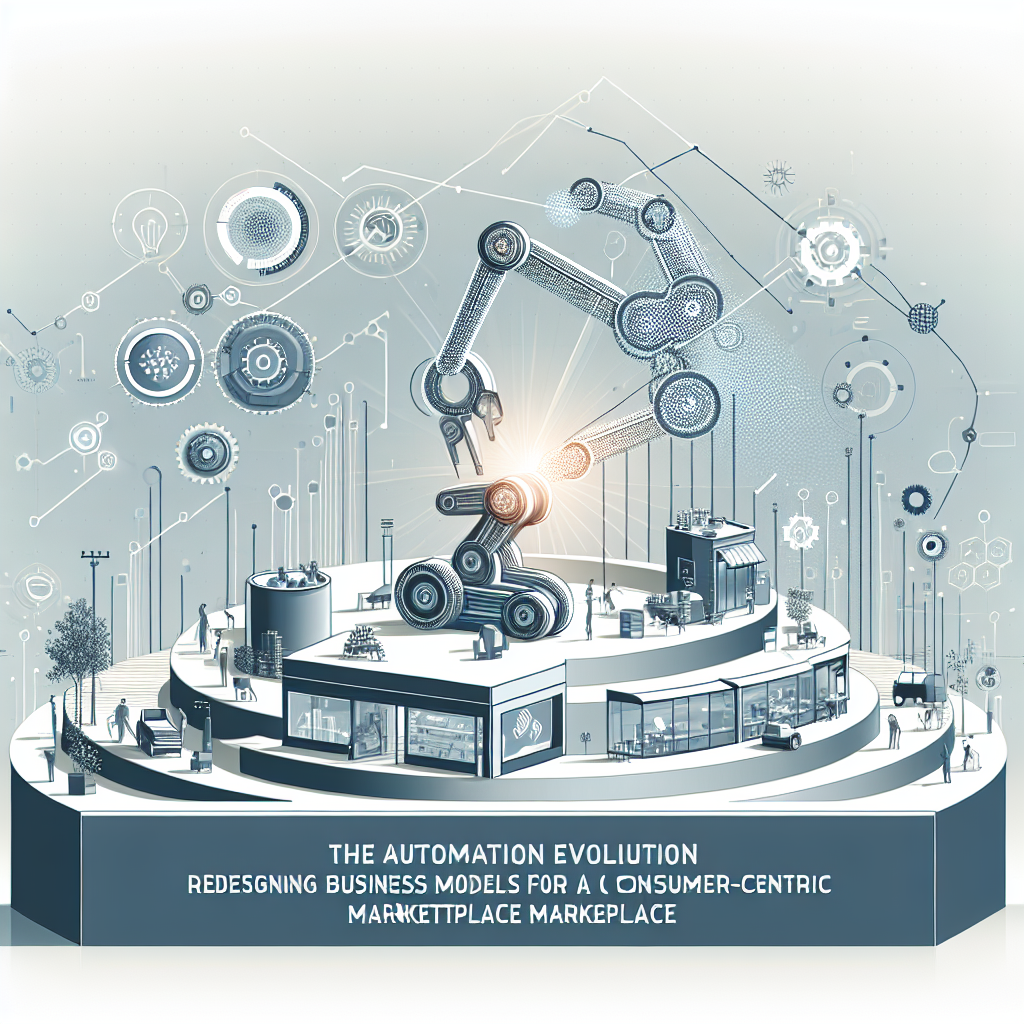
The rise of AI and automation is prompting businesses to rethink their traditional models. As automation takes over repetitive tasks, organizations are shifting focus toward innovation and creativity. This shift will lead to more agile business models that can adapt to market changes rapidly.
Subscription and As-a-Service Models
In 2026, we will likely see an increase in subscription-based services and as-a-service models across industries. These models allow businesses to provide value continuously rather than through one-time transactions. For example, software companies like Adobe have transitioned to subscription models, resulting in predictable revenue streams and improved customer retention.
This transformation is not limited to software; industries such as automotive and healthcare are also exploring subscription models. By 2026, businesses that adopt this strategy will be better positioned to ensure ongoing customer engagement and loyalty.
Preparing for the Future: Actionable Strategies
To thrive in this rapidly evolving landscape, businesses must take proactive steps to integrate AI and automation into their strategies. Here are some actionable takeaways:
- Invest in Training: Equip your workforce with the necessary skills to work alongside AI technologies. Continuous learning and development will be essential in maximizing the benefits of automation.
- Embrace Data Analytics: Implement data analytics tools to gain insights into customer behavior and market trends. This will enable more informed decision-making and enhance strategic planning.
- Prioritize Customer Experience: Leverage AI-driven customer service tools to improve engagement and satisfaction. Personalization will be key to building long-term customer relationships.
- Explore New Business Models: Consider transitioning to subscription or as-a-service models to create ongoing value for customers and ensure consistent revenue streams.
Conclusion
The horizon of 2026 and beyond presents an exciting opportunity for businesses willing to embrace the transformative power of AI and automation. By rethinking strategies, enhancing customer engagement, and adopting innovative business models, companies can position themselves for success in a rapidly changing marketplace. The future may be uncertain, but with the right strategies in place, businesses can navigate the complexities of this new era with confidence and resilience.