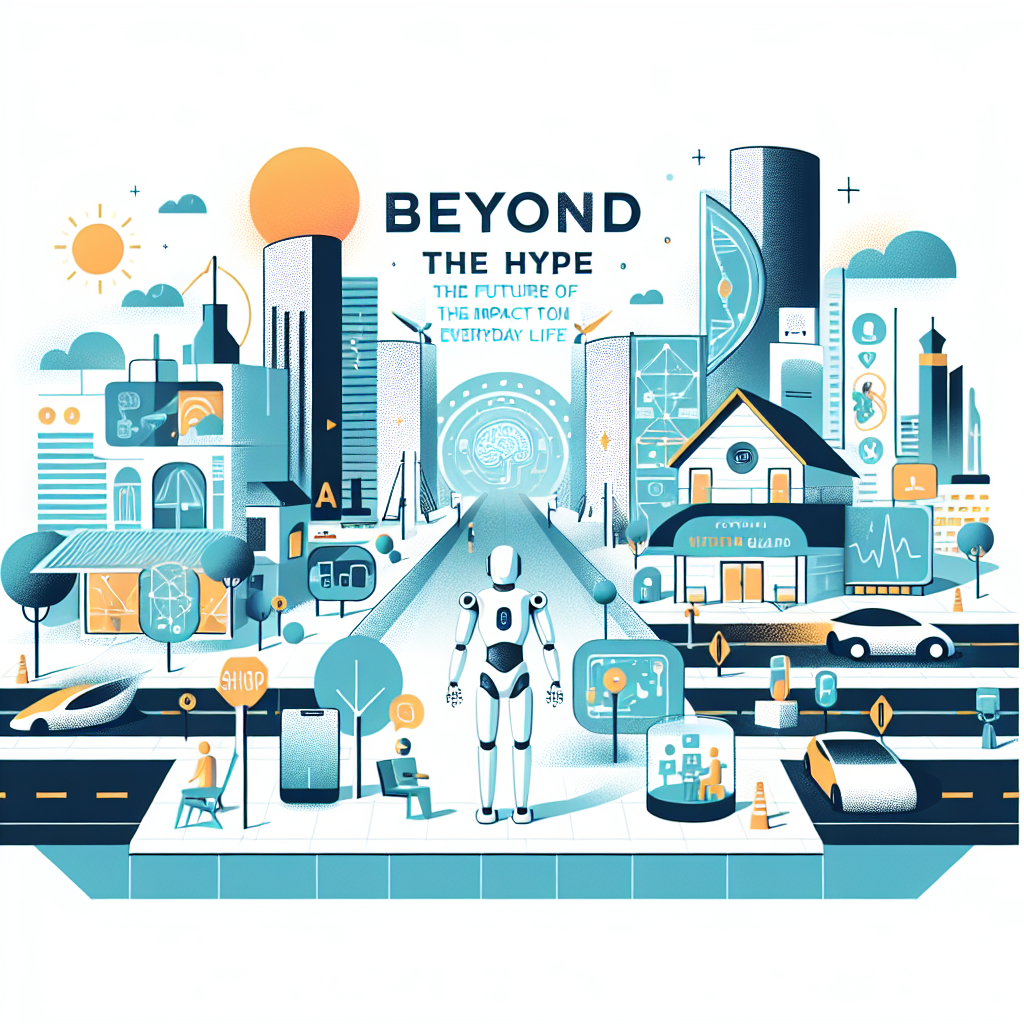
Beyond the Hype: The Future of AI and Its Impact on Everyday Life
Artificial Intelligence (AI) is no longer just a buzzword; it’s a transformative force reshaping our world in ways we’re just beginning to comprehend. From the smartphones we carry to the cars we drive, AI technology infiltrates our daily routines, creating efficiencies and enhancing experiences. However, as we stand on the brink of an AI-driven future, it's essential to look beyond the hype. How will AI truly impact our lives in the years to come? In this blog post, we’ll explore the tangible benefits and challenges posed by AI, shedding light on its role in various sectors and offering actionable insights on how we can adapt to this evolving landscape.
The Current Landscape of AI Technology
AI has advanced significantly over the last decade, with breakthroughs in machine learning, natural language processing, and computer vision. According to a report by McKinsey, AI has the potential to add $13 trillion to the global economy by 2030. This staggering figure underscores the importance of understanding how AI is already integrated into our lives and how it will continue to evolve.
AI in Everyday Applications
From virtual assistants like Siri and Alexa to recommendation algorithms on Netflix and Amazon, AI is ubiquitous. These applications not only make tasks easier but also personalize our interactions with technology. For instance, a 2022 survey by PwC found that 63% of consumers believe AI improves their online shopping experiences by tailoring suggestions to their preferences.
Moreover, AI is making strides in healthcare, particularly in diagnostics. AI algorithms can analyze medical data faster and often more accurately than human doctors. A study published in the journal Nature found that an AI system could detect breast cancer in mammograms with greater accuracy than human radiologists. Such advancements promise to revolutionize patient care and outcomes.
The Future of Work: Automation and Collaboration
As AI continues to evolve, its influence on the workforce is profound. Automation is often seen as a double-edged sword—while it can increase productivity, there are valid concerns about job displacement. The World Economic Forum anticipates that by 2025, 85 million jobs may be displaced due to AI and automation, but it also predicts that 97 million new roles will emerge, particularly in fields that require human creativity and emotional intelligence.
Embracing Human-AI Collaboration
Rather than viewing AI as a threat, we should embrace it as a collaborative tool. For instance, in industries like manufacturing, AI can handle repetitive tasks, allowing human employees to focus on problem-solving and innovation. A report from Deloitte highlights that companies using AI in their operations have reported a 20% increase in productivity. This symbiosis between man and machine is essential for future job markets, and upskilling will be crucial for workers to thrive.
Ethical Considerations and Challenges Ahead
As with any powerful technology, AI comes with ethical dilemmas. Issues related to data privacy, algorithmic bias, and the potential for surveillance are at the forefront of discussions surrounding AI. For example, a 2021 study by the AI Now Institute found that facial recognition systems exhibit higher error rates for women and people of color, which raises concerns about fairness and discrimination.
To address these challenges, stakeholders—including governments, businesses, and technologists—must collaborate to establish robust ethical guidelines. Creating transparent AI systems that prioritize accountability will help mitigate risks while fostering public trust. Moreover, companies should adopt AI ethics training for their employees to ensure that ethical considerations are integrated into AI development processes.
Personal Adaptation: Preparing for an AI-Driven World
As AI continues to permeate various aspects of life, individuals must also adapt. Here are some actionable steps you can take to prepare for an AI-driven future:
- Upskill Continuously: Embrace lifelong learning by taking courses in AI, data analysis, or digital literacy. Platforms like Coursera and edX offer a plethora of resources.
- Stay Informed: Keep abreast of AI advancements by following reputable tech news websites and thought leaders in the field.
- Engage in Discussions: Participate in local or online forums to discuss AI's implications. Engaging with others will broaden your understanding and perspectives.
Conclusion: Embracing the AI Future
As we move forward, the impact of AI on our everyday lives will only grow. It presents us with both opportunities and challenges that require our attention. By looking beyond the hype and understanding how AI can enhance our lives, we can better prepare for the changes it brings. Continuous learning, ethical considerations, and a collaborative mindset will be essential as we navigate this AI-driven future. Embrace the change, stay informed, and be proactive—after all, the future is not something we enter; the future is something we create.