Beyond the Hype: The Next Generation of AI and Machine Learning Trends to Watch in 2024
As we step into 2024, the realm of artificial intelligence (AI) and machine learning (ML) continues to evolve at a staggering pace. Beyond the buzzwords and headlines, the next generation of AI technologies is on the horizon, promising to reshape industries, enhance user experiences, and drive unprecedented innovation. This blog post will delve into the most exciting trends that are set to define AI and ML in 2024, providing insights into how businesses and individuals can harness these advancements.
1. The Rise of Generative AI
Generative AI has taken the tech world by storm, with applications ranging from content creation to drug discovery. In 2023, we saw tools like ChatGPT and DALL-E revolutionize how we create and interact with digital content. As we move into 2024, the generative AI landscape is expected to become more refined and accessible.
Enhanced Personalization
One of the most significant trends in generative AI is its ability to create highly personalized experiences. For example, e-commerce platforms can leverage generative AI to develop tailored product recommendations based on individual user behavior and preferences. This level of personalization not only boosts customer satisfaction but also drives sales, as consumers are more likely to purchase items that reflect their unique tastes.
Creative Collaborations
Moreover, generative AI is transforming creative industries. Musicians, writers, and artists are increasingly using AI tools to aid their creative processes. In 2024, we can expect to see more collaborations between human creators and AI, leading to innovative works that blend technology with human artistry. Such partnerships may challenge traditional notions of authorship and creativity, sparking discussions about the future of creative industries.
2. AI Ethics and Responsible AI Practices
As AI continues to permeate various sectors, the conversation around ethics and responsible use is gaining momentum. In 2024, organizations will be under increasing pressure to develop AI systems that are not only effective but also ethical and transparent.
Building Trust with Transparency
Companies will need to prioritize transparency in their AI models. This means adopting practices that make AI decision-making processes understandable to users and stakeholders. For instance, providing clear explanations of how algorithms work and the data they use can build trust and alleviate concerns about bias and discrimination.
Regulatory Compliance
Furthermore, with governments worldwide implementing stricter regulations regarding AI usage, businesses must ensure compliance. The European Union's AI Act is a prime example of such legislation aimed at regulating high-risk AI applications. Organizations that proactively embrace ethical AI practices will not only avoid legal pitfalls but also gain a competitive edge by fostering consumer trust.
3. AI-Driven Automation Across Industries
Automation powered by AI is set to revolutionize various sectors, from manufacturing to healthcare. In 2024, we will witness a significant uptick in AI-driven automation solutions that enhance efficiency and reduce operational costs.
Healthcare Innovations
In the healthcare sector, AI is being utilized to streamline administrative tasks, manage patient data, and assist in diagnostics. For example, AI algorithms can analyze medical images faster and more accurately than human radiologists, allowing for quicker diagnoses and treatment plans. As this technology matures, we can expect to see improved patient outcomes and a more efficient healthcare system.
Manufacturing Efficiency
Similarly, in manufacturing, AI-driven robotics and automation are transforming production lines. Smart factories equipped with AI technologies can monitor equipment performance in real time, predict maintenance needs, and optimize production schedules. This not only minimizes downtime but also enhances overall productivity, making businesses more competitive in a global market.
4. The Integration of AI with IoT (Internet of Things)
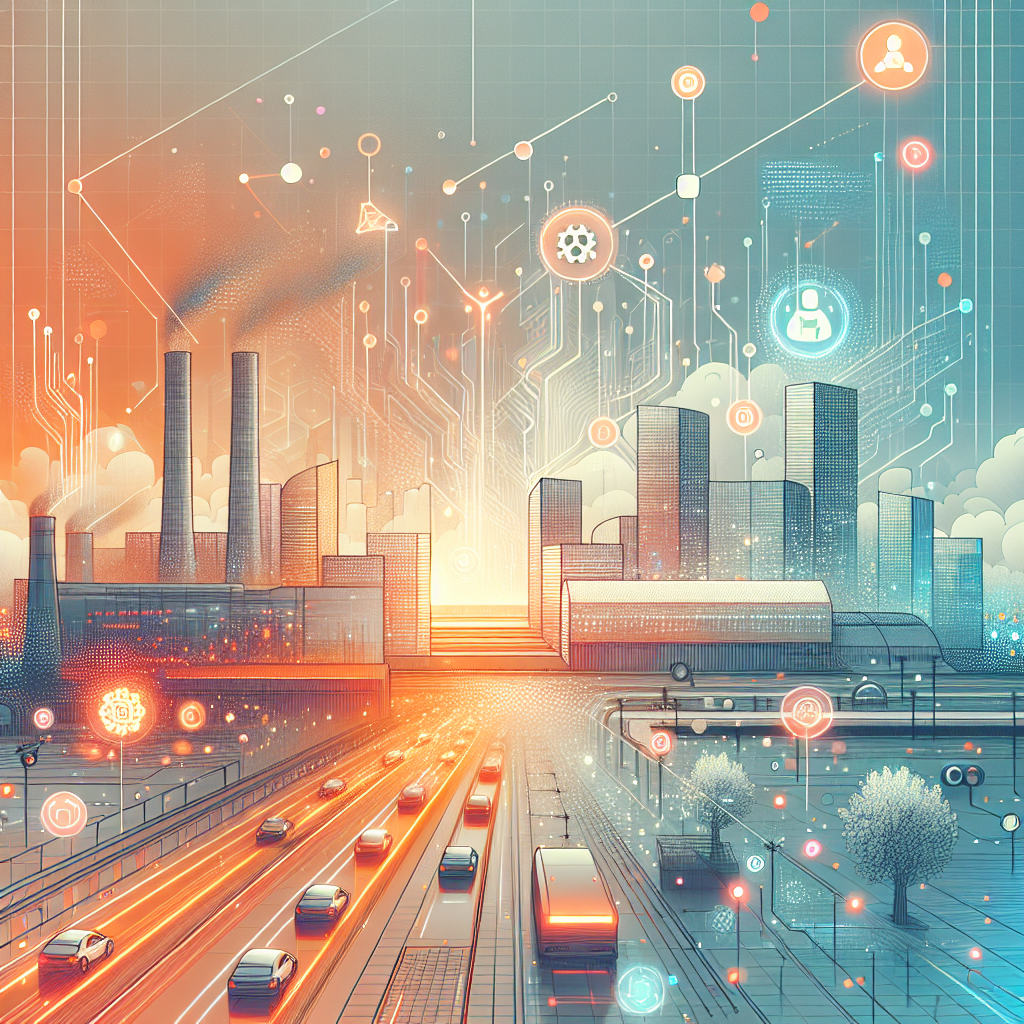
The convergence of AI and IoT is another trend to watch in 2024. As more devices become interconnected, the need for intelligent systems that can analyze and act upon data collected from these devices is increasingly important.
Smart Homes and Cities
For instance, in smart homes, AI algorithms can analyze user behavior to optimize energy consumption, enhance security, and improve overall convenience. On a larger scale, smart cities are leveraging AI to manage traffic flows, reduce energy consumption, and enhance public safety through predictive analytics. The integration of AI with IoT presents vast opportunities for innovation and efficiency across multiple sectors.
5. The Democratization of AI Tools
Finally, as AI technology becomes more sophisticated, there is a growing trend towards democratization. In 2024, we can expect more user-friendly AI tools that enable non-experts to harness the power of machine learning without needing extensive technical knowledge.
Accessible AI Solutions
With platforms like Google’s AutoML and Microsoft’s Azure ML, businesses of all sizes can develop and deploy machine learning models tailored to their specific needs. This democratization of AI tools empowers small businesses and startups to compete with larger enterprises, fostering innovation and creativity across the board.
Continuous Learning and Community Engagement
Additionally, as AI communities grow, knowledge sharing and collaboration will become more prevalent. Online communities, forums, and educational platforms will enable individuals to learn from each other, exchange ideas, and contribute to the development of new AI applications.
Conclusion: Embracing the Future of AI
As we look ahead to 2024, the future of AI and machine learning is filled with opportunities for innovation and growth. By staying informed about these emerging trends, businesses and individuals can position themselves to leverage AI technologies effectively. Embrace generative AI for personalization, prioritize ethical practices, explore automation solutions, and harness the power of IoT integration. Finally, take advantage of the democratization of AI tools to foster creativity and innovation in your projects.
In this rapidly evolving landscape, the key to success lies in adaptability and a willingness to embrace change. The next generation of AI is not just about technology; it's about enhancing human potential and creating a better future for all.