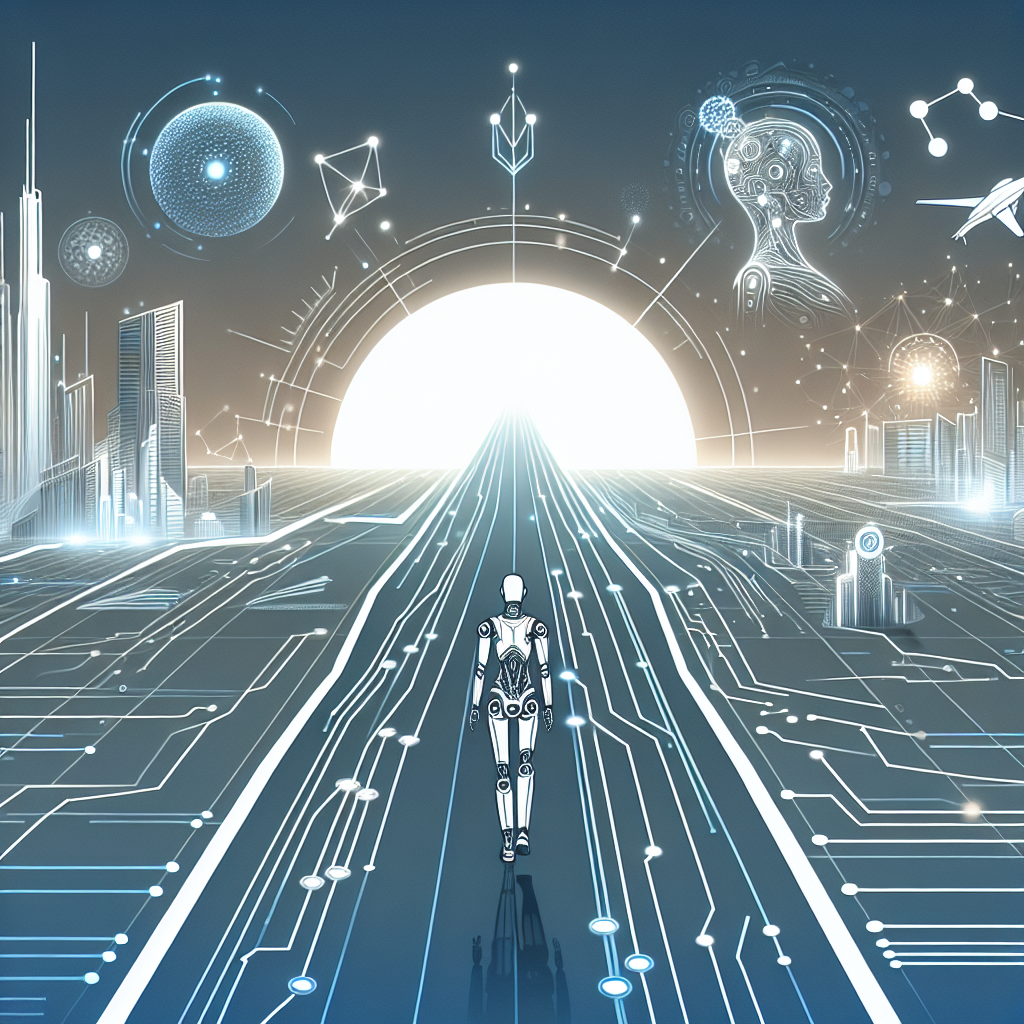
Future Frontiers: Exploring the Next Wave of AI Innovations Set to Transform Our Lives
As we stand on the brink of a new era defined by artificial intelligence (AI), it's hard not to feel a sense of excitement about the possibilities that lie ahead. From transforming industries to enhancing daily life, the next wave of AI innovations promises to reshape how we interact with technology and each other. In this blog post, we'll explore some of the most groundbreaking developments in AI and how they are set to revolutionize our lives in the coming years.
The Rise of Conversational AI
Conversational AI has made remarkable strides, evolving from simple chatbots to sophisticated systems capable of natural language understanding. Technologies like OpenAI's GPT-3 and Google's BERT have paved the way for more human-like interactions, creating opportunities for businesses and consumers alike.
Transforming Customer Service
One of the most visible applications of conversational AI is in customer service. With businesses increasingly adopting AI-powered chatbots, customers now enjoy 24/7 assistance, faster response times, and personalized experiences. According to a report by Juniper Research, chatbots are expected to save businesses over $8 billion annually by 2022. This shift not only enhances customer satisfaction but also reduces operational costs, allowing companies to focus on innovation rather than routine inquiries.
Enhancing Personal Assistants
Conversational AI is also enhancing personal assistants like Siri, Alexa, and Google Assistant. With advancements in natural language processing (NLP) and machine learning (ML), these assistants are becoming more intuitive, understanding context and user preferences. Imagine a personal assistant that knows your schedule, preferences, and even your mood, delivering tailored recommendations and reminders to keep your life organized. This level of personalization is not just a dream; it is rapidly becoming a reality.
AI in Healthcare: A Revolution in Patient Care
AI is set to transform the healthcare sector dramatically, improving patient outcomes and streamlining processes. With the ability to analyze vast datasets, AI can identify patterns that human doctors may overlook, leading to earlier diagnoses and more effective treatments.
Predictive Analytics for Better Outcomes
Predictive analytics is one of the most promising applications of AI in healthcare. By analyzing patient histories and demographic data, AI algorithms can forecast potential health risks and recommend preventative measures. For instance, a study published in the journal Nature Medicine highlighted how AI algorithms accurately predicted patients at risk of developing conditions like diabetes with an accuracy rate of over 80%. This proactive approach empowers healthcare providers to intervene earlier, potentially saving lives.
AI-Powered Diagnostics
AI's impact on diagnostics is equally profound. Machine learning models trained on medical imaging data can now detect anomalies, such as tumors or fractures, with remarkable precision. A notable example is Google's DeepMind, which developed an AI system that can diagnose eye diseases as accurately as leading human experts. This capability could significantly reduce the workload on medical professionals while ensuring that patients receive timely and accurate diagnoses.
AI in Education: Personalized Learning Experiences
Education is another sector ripe for transformation through AI. The traditional one-size-fits-all approach to teaching is being replaced with personalized learning experiences that cater to individual student needs.
Adaptive Learning Platforms
Adaptive learning platforms leverage AI to analyze student performance in real-time, adjusting lesson plans and resources according to their strengths and weaknesses. For example, platforms like Knewton and DreamBox Learning use algorithms to tailor content, ensuring that each student receives instruction at their level. This targeted approach not only enhances learning outcomes but also boosts student engagement and motivation.
AI Tutors for Enhanced Support
In addition to adaptive learning, AI-powered tutoring systems provide students with additional support outside the classroom. These virtual tutors can offer guidance, answer questions, and provide practice exercises, making education more accessible. According to a study by McKinsey, AI education tools could help close the achievement gap, particularly for underserved communities, by providing high-quality resources to all students.
Ethical Considerations and the Future of AI
While the potential of AI is immense, it also raises ethical considerations that cannot be ignored. As we embrace these innovations, it is crucial to address issues such as data privacy, algorithmic bias, and the potential for job displacement.
Data Privacy and Security
With AI systems relying heavily on data, ensuring user privacy is paramount. Companies must implement robust security measures to protect sensitive information and comply with regulations like GDPR. Transparency in how data is collected and used will be essential to building trust with users.
Mitigating Algorithmic Bias
Algorithmic bias poses another significant challenge, as AI systems can inadvertently perpetuate existing inequalities. It is vital for developers to recognize and mitigate biases in their algorithms, ensuring that AI applications are fair and equitable. Diverse teams working on AI projects can help identify potential biases and create more inclusive solutions.
Conclusion: Embracing AI for a Better Tomorrow
The next wave of AI innovations holds the potential to transform our lives in profound ways. From enhancing customer interactions to revolutionizing healthcare and education, AI is set to become an integral part of our daily existence. However, as we navigate this exciting frontier, we must remain vigilant about ethical considerations and strive for responsible AI development.
As individuals, we can prepare for this future by staying informed about AI advancements, advocating for ethical practices, and embracing lifelong learning to adapt to changing job landscapes. Together, we can harness the power of AI to create a better, more equitable world for everyone.