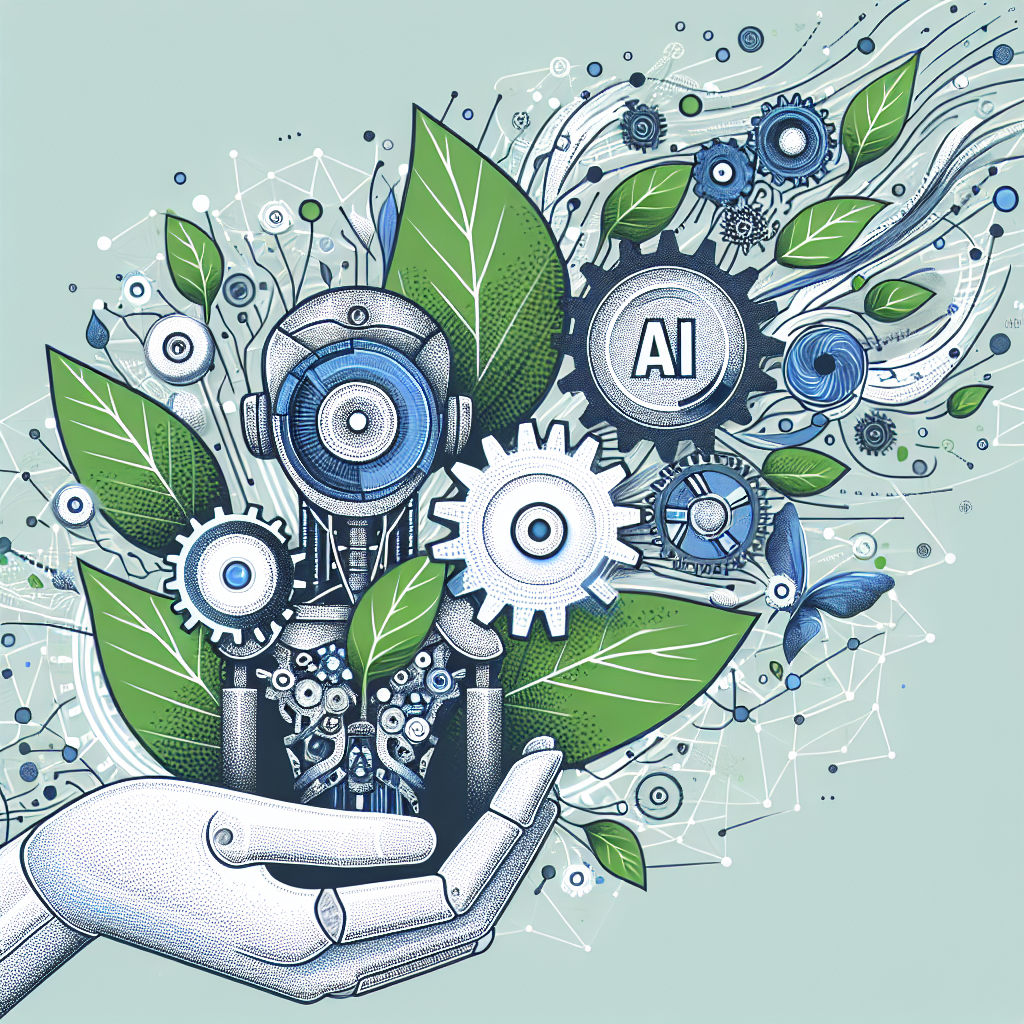
Harnessing AI and Sustainability: The Next Wave of Business Innovation
In a world increasingly aware of climate change and environmental degradation, businesses are seeking innovative ways to integrate sustainability into their operations. At the same time, the rise of artificial intelligence (AI) is transforming how companies function, offering new opportunities for efficiency and effectiveness. The intersection of AI and sustainability presents a powerful opportunity for businesses to not only enhance their bottom line but also contribute positively to the planet. This blog post explores how harnessing AI can lead to sustainable business practices and drive the next wave of innovation.
The Role of AI in Sustainable Business Practices
Understanding AI's Capabilities
AI is a technology that simulates human intelligence processes through the creation and application of algorithms. It enables machines to learn from data, recognize patterns, and make decisions with minimal human intervention. This capability is particularly beneficial for sustainable business practices. For instance, AI can analyze vast amounts of environmental data to optimize resource usage, minimize waste, and reduce carbon footprints.
Predictive Analytics for Resource Management
One of the most compelling applications of AI in sustainability is predictive analytics. By leveraging historical data, AI systems can forecast demand and optimize supply chain logistics. For example, a beverage company can use AI to predict seasonal demand fluctuations, allowing them to adjust production schedules accordingly. This not only minimizes overproduction but also helps in reducing water and energy consumption, ultimately leading to a more sustainable operation.
Case Studies: AI in Action
Unilever's Sustainable Supply Chain
Unilever, a global leader in consumer goods, has been at the forefront of integrating AI into its sustainability initiatives. The company employs AI algorithms to monitor its supply chain, reducing waste and ensuring that raw materials are sourced sustainably. By analyzing satellite imagery and weather patterns, Unilever is able to make informed decisions about crop yields and sourcing, which helps in maintaining sustainable practices while also boosting profitability.
Google's AI for Renewable Energy
Another prime example is Google, which has implemented AI to enhance the efficiency of its renewable energy sources. Through machine learning, Google optimizes energy consumption in its data centers and predicts energy needs based on usage patterns. This has enabled the company to power its operations with over 60% renewable energy, significantly cutting down on greenhouse gas emissions and setting a benchmark for others in the tech industry.
Challenges and Considerations
Balancing Innovation with Ethical Practices
While the benefits of AI in promoting sustainability are clear, businesses must also navigate the ethical implications of using AI technologies. Issues such as data privacy, algorithmic bias, and the environmental impact of AI infrastructure must be considered. Companies should aim to implement AI solutions that are transparent and beneficial for all stakeholders, ensuring that their innovations do not inadvertently harm the very communities they seek to support.
The Importance of Collaboration
Collaboration is key to harnessing the full potential of AI and sustainability. Businesses should engage with stakeholders, including customers, suppliers, and even competitors, to share best practices and foster innovation. By creating an ecosystem that encourages knowledge sharing and cooperative problem-solving, companies can drive more impactful sustainability initiatives.
Actionable Takeaways for Businesses
As we move towards a more sustainable future, here are some actionable takeaways for businesses looking to harness AI for sustainability:
- Invest in AI Training: Equip your team with the necessary skills to understand and implement AI technologies effectively. Continuous learning will keep your organization at the forefront of innovation.
- Analyze Your Data: Leverage existing data to identify areas where AI can help improve sustainability. Understanding your current impact is the first step towards making meaningful changes.
- Foster a Culture of Sustainability: Promote sustainability as a core value within your organization. Encourage employees to think creatively about how AI can enhance sustainable practices.
- Engage with Experts: Collaborate with AI and sustainability experts to understand best practices and emerging trends. This will help you stay informed and inspired.
- Monitor and Adapt: Regularly assess the effectiveness of your AI-driven sustainability initiatives and be prepared to adapt your strategies as technology and environmental needs evolve.
Conclusion: Embracing the Future
The convergence of AI and sustainability is not just a trend; it represents a fundamental shift in how businesses operate. By embracing AI technologies, organizations can drive significant improvements in efficiency, reduce their environmental impact, and lead in sustainability innovation. As the landscape continues to evolve, those who prioritize the integration of AI and sustainable practices will not only thrive but also contribute to a healthier planet for future generations. The time to act is now—harness AI, embrace sustainability, and be a part of the next wave of business innovation.