Maximize Lead Generation with Targeted B2B Email Marketing Techniques
A VP of sales at a mid-market software company has a list of 40,000 contacts and a quarterly pipeline target she is not going to hit with her current open rates. She can send more email, or she can send smarter email. That tension, volume versus precision, is exactly what this piece addresses.
B2B email marketing is not dying. It is separating. Companies that treat it as a broadcast channel keep watching their metrics erode. Companies that treat it as a targeting discipline are generating qualified pipeline at a fraction of the cost of paid acquisition. The techniques below are what separates the two groups.
Why Segmentation Is the Foundation, Not a Feature
Most B2B teams segment by company size and industry, then stop. That level of segmentation was adequate in 2015. Right now, buyers expect relevance at the role level, the funnel stage level, and sometimes the specific pain-point level. A CFO evaluating spend reduction tools should not receive the same email as a head of operations looking at workflow automation, even if both work at the same company size and vertical.
The practical starting point is building segments around three axes: job function, buying stage, and the specific trigger that brought the contact into your database. A contact who downloaded a pricing comparison guide is signaling something different than one who attended a top-of-funnel webinar. Treating those two the same wastes both of them.
Behavioral segmentation takes this further. When a contact clicks a link about a specific feature or visits a product page three times in a week, that behavior should update their segment automatically. Most marketing automation platforms, including HubSpot, Marketo, and ActiveCampaign, support this natively. The constraint is rarely the tool. It is the decision to actually configure the rules and maintain them as the product and messaging evolve.
Building Lists That Convert, Not Just Lists That Grow
List size is a vanity metric. Deliverability, open rate, and reply rate are the metrics that connect to revenue. A list of 8,000 tightly qualified contacts in a specific niche will consistently outperform a list of 80,000 loosely matched ones, both in engagement and in downstream conversion to sales calls.
List quality starts at acquisition. Gated content should be specific enough that only a relevant buyer bothers to fill out the form. A generic ebook on "digital transformation" attracts everyone and qualifies no one. A checklist on "switching ERP vendors without a data migration disaster" self-selects for buyers who are actively in that process.
Verification matters too. According to data published by ZeroBounce, the average email list decays at roughly 22 percent per year as contacts change jobs, get promoted, or leave companies. Running lists through a validation tool before major sends protects sender reputation and keeps bounce rates below the thresholds that trigger spam filters at major inbox providers.
Intent data is worth integrating if your average contract value justifies the cost. Platforms like Bombora or G2 Buyer Intent surface companies actively researching topics relevant to your product. Uploading those company lists into your CRM and cross-referencing against existing contacts lets you prioritize outreach to accounts that are already in a buying motion, rather than trying to manufacture urgency artificially.
Writing Email Copy That Actually Gets Replies
Subject lines are a separate craft from body copy. The subject line's only job is to earn the open. Short, specific, and occasionally unexpected subject lines consistently outperform long descriptive ones. "Quick question about your Q3 onboarding" will beat "Introducing Our New Enterprise Onboarding Solution for Growing Teams" almost every time, because the former reads like a human wrote it.
Body copy in B2B cold and nurture email should be short. Three to five sentences for a cold outreach. A paragraph or two for a nurture sequence. The reader is scanning on a phone between meetings. Long emails do not get read more carefully. They get deleted faster.
Personalization beyond the first name matters, but it has to be genuine. Referencing a contact's company news, a LinkedIn post they published, or a specific challenge common to their role signals that the message was not assembled by a template engine running on a purchased list. Even one sentence of real context changes the tone of the entire email. According to research cited by Campaign Monitor, personalized email subject lines generate 26 percent higher open rates than generic ones, a gap large enough to materially affect pipeline at scale.
Every email needs one call to action. Not three. Not a menu of options. One clear, low-friction next step. A request for a 15-minute call, a link to a specific resource, or a simple yes/no question all perform better than a paragraph ending with "feel free to reach out if you have any questions or would like to schedule a call or learn more about our offerings."
Structuring Sequences for the B2B Buying Cycle
B2B deals rarely close on the first touch. The buying cycle for a mid-market SaaS product is often 60 to 120 days, involving multiple stakeholders. An email sequence needs to reflect that reality rather than pretend a single well-written email will trigger a purchase decision.
A nurture sequence for a qualified inbound lead might look like this: an immediate value-delivery email with the promised resource, a follow-up two days later connecting that resource to a specific pain point, a case study or peer-story email on day six, a check-in on day twelve, and a low-pressure offer for a conversation on day eighteen. Each email builds context. None of them repeat the same pitch with slight rewording.
Cold outreach sequences follow a different rhythm. Shorter, more spaced out, and with an explicit breakup email at the end. The breakup email, sent after four to five unanswered touches, acknowledges the silence and closes the loop. It often generates replies precisely because it removes pressure and signals respect for the contact's time.
Sequences should also include channel coordination when possible. A LinkedIn connection request sent between email two and email three, or a relevant article shared via LinkedIn the same week as a cold email, increases name recognition without adding inbox noise. The email and the social touch reinforce each other without either one being aggressive on its own.
Measuring What Actually Connects Email to Revenue
Open rate is a starting metric. It tells you whether your subject lines and sender reputation are working. It does not tell you whether the campaign is generating pipeline. Clicks, replies, meetings booked, and opportunities created are the metrics worth tracking at the campaign level.
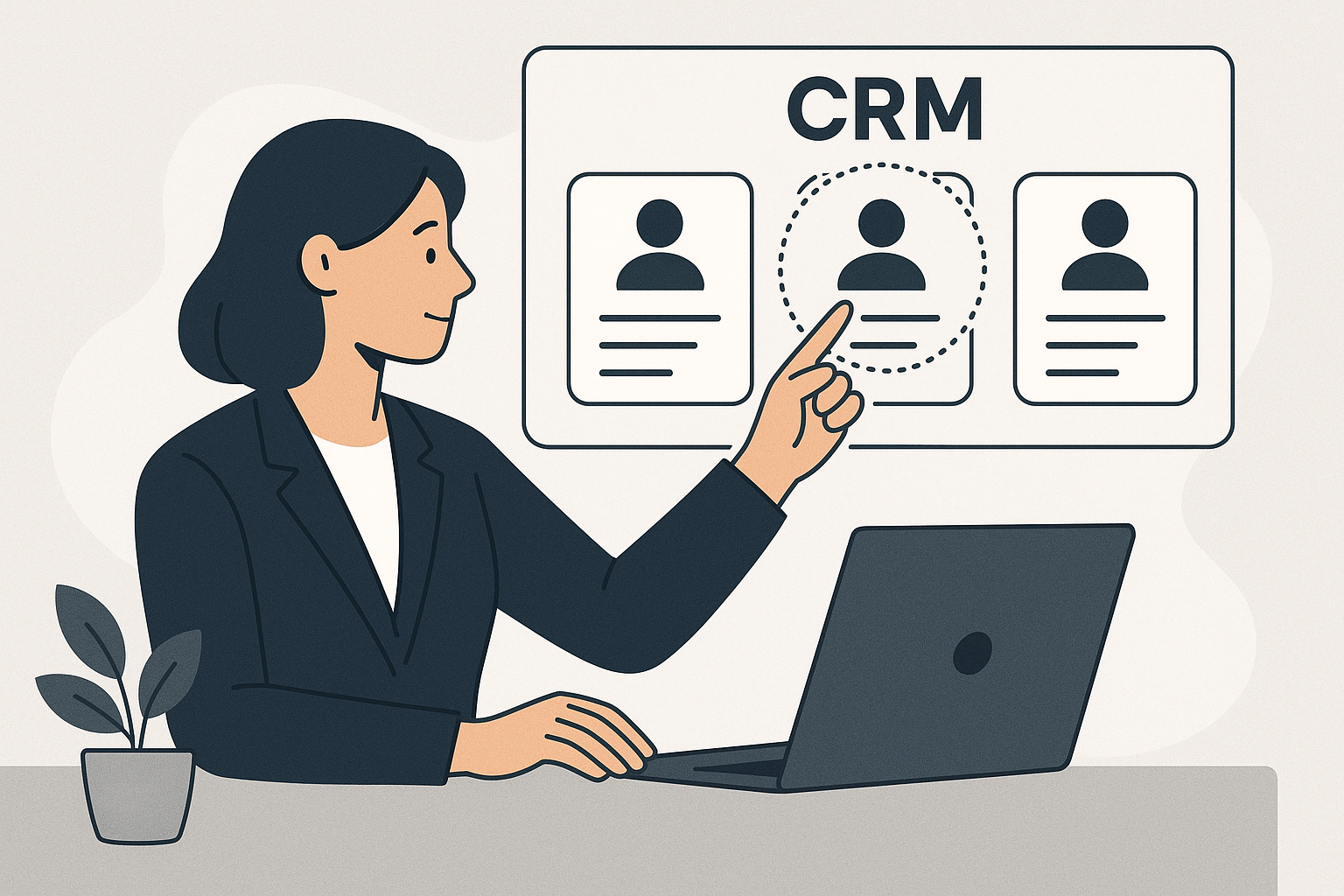
Attribution is genuinely hard in B2B because buying decisions involve multiple touches across weeks or months. The practical approach is to track email influence on opportunities rather than requiring a direct single-touch attribution. Most CRMs let you log email engagement against contact and account records, making it possible to see which sequences touched a deal before it closed, even if email was not the last touch.
A/B testing should be systematic. Test one variable at a time: subject line, send day, call to action, or email length. Testing everything at once produces data that cannot be interpreted cleanly. Small, disciplined tests run over a real sample size, typically at least 200 recipients per variant, give results you can act on with confidence rather than guessing.
Unsubscribe rates and spam complaint rates deserve regular attention. A spike in spam complaints usually indicates a list quality problem or a frequency problem, not a copy problem. Monitoring these metrics in real time and responding quickly protects deliverability before it degrades to the point of affecting the entire sending domain.
The path to more pipeline from email is not sending more email. It is sending the right message to the right person at the right point in their buying process. Teams that treat that as an ongoing operational discipline, not a campaign sprint, consistently outperform those looking for a quick-fix template to copy. Start with cleaner segmentation, tighten your list qualification criteria, and measure the metrics that connect to revenue rather than the ones that are easy to report.