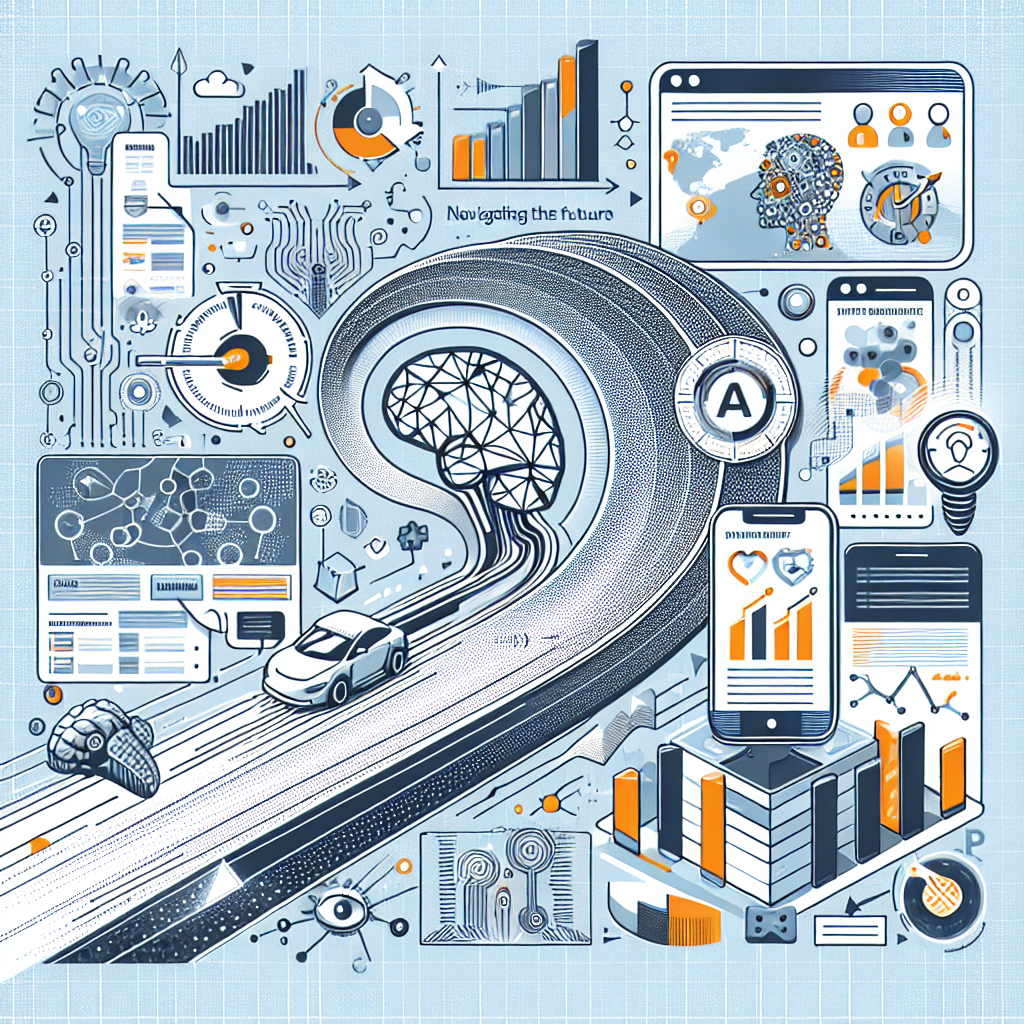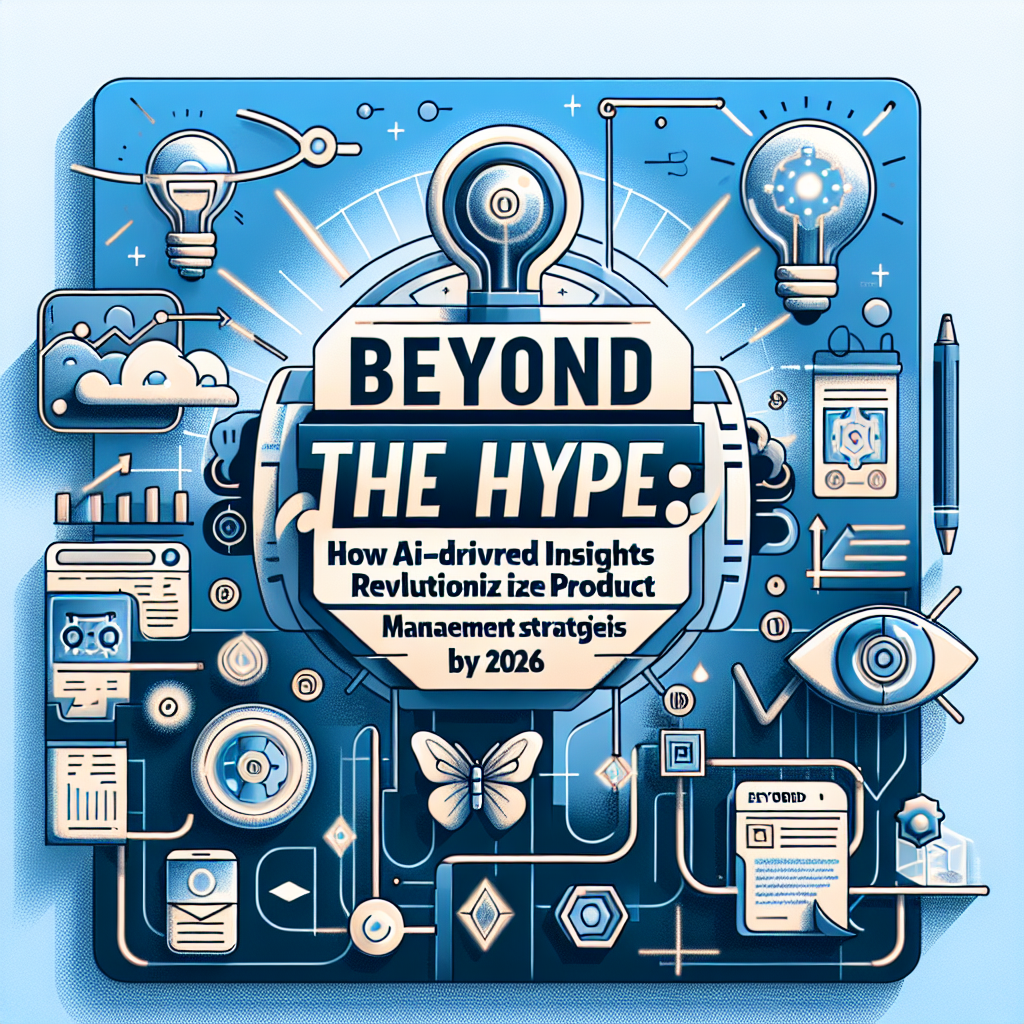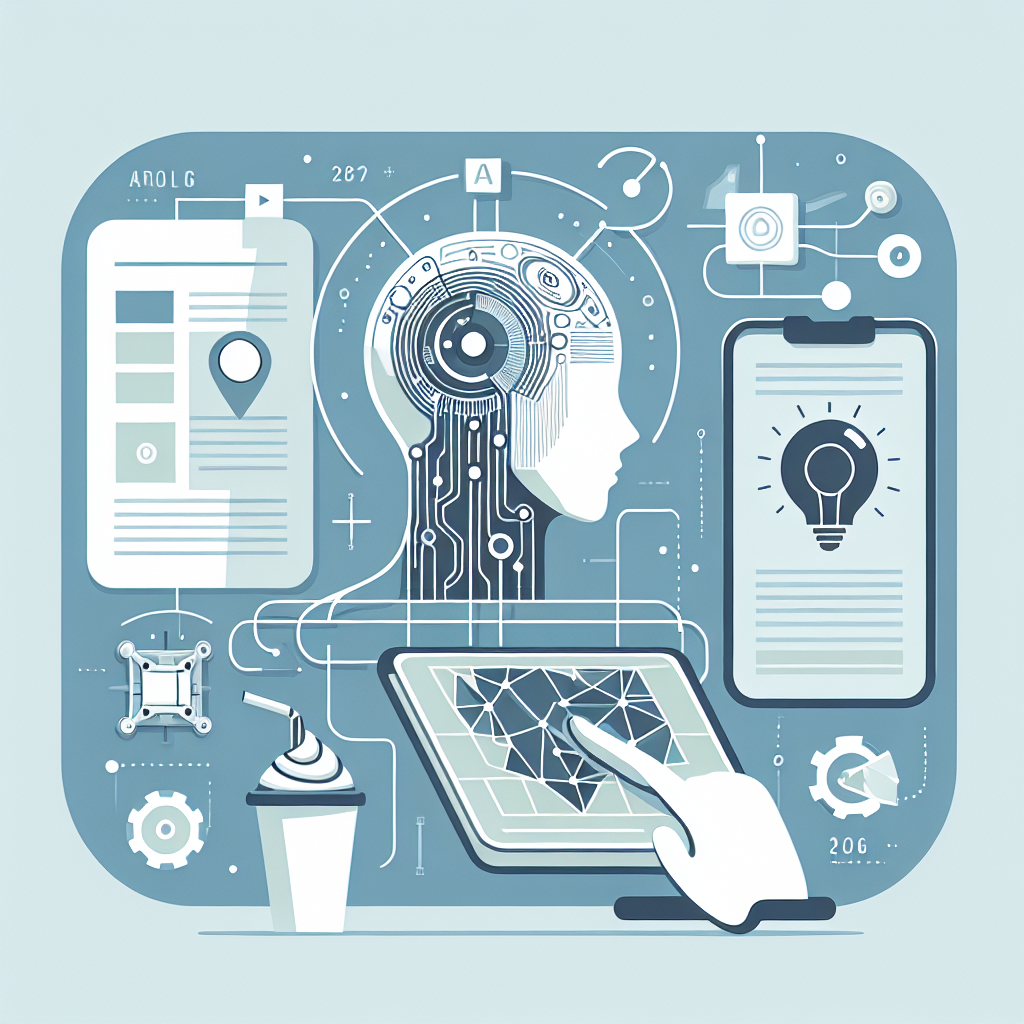
Navigating the Future: How AI-Driven Insights and Automation Will Transform Product Management Strategies by 2026
In an increasingly competitive marketplace, the role of product management is evolving at an unprecedented pace. With the advent of artificial intelligence (AI) and automation, product managers are finding themselves equipped with powerful tools that can drastically enhance their decision-making capabilities. By 2026, these innovations promise to reshape product management strategies, fostering a new era of efficiency, agility, and consumer-centricity. This blog post delves into the transformative impact of AI-driven insights and automation on product management, providing actionable strategies for professionals looking to stay ahead of the curve.
The Current Landscape of Product Management
As of 2023, product management has already been significantly influenced by digital transformation. According to a report by McKinsey, companies that integrate advanced technologies into their operations can increase their productivity by up to 30%. However, many product managers still rely on traditional methods of data collection and analysis, which can be time-consuming and prone to human error. The need for a more streamlined, data-driven approach has never been more critical.
Understanding AI's Role
AI is not just a buzzword; it has become a pivotal component in the product management toolkit. From predictive analytics that forecast market trends to natural language processing (NLP) that analyzes customer feedback, AI is enabling product managers to make informed decisions faster than ever. A study by Gartner predicts that by 2026, over 70% of product managers will leverage AI to enhance their strategies, emphasizing the growing reliance on these technologies.
Enhancing Decision-Making with AI-Driven Insights
One of the most significant advantages of AI in product management is its ability to sift through vast amounts of data and extract actionable insights. Traditional methods often involve manual data analysis, which can lead to lagging decision-making. In contrast, AI can process and analyze data in real time, providing product managers with insights that were previously unattainable.
Real-Time Market Analysis
Imagine being able to predict customer preferences before they even express them. AI tools such as sentiment analysis can monitor social media platforms and customer reviews, providing real-time feedback on products. For example, companies like Amazon use AI algorithms to analyze user behavior, enabling them to tailor their offerings to meet emerging trends. By 2026, this level of insight will not only be commonplace but a critical factor for success.
Customer-Centric Product Development
AI also facilitates a more customer-centric approach to product development. By analyzing user data and feedback, product managers can identify gaps in the market and develop features that resonate with their target audience. This iterative process of product improvement is crucial in today’s fast-paced environment, where customer preferences can shift rapidly. An example of this is Spotify, which uses AI to curate personalized playlists, enhancing user engagement and satisfaction.
The Automation Revolution in Product Management
Alongside AI-driven insights, automation is transforming the product management landscape. By 2026, we expect to see a significant shift toward automated processes that enhance efficiency and reduce time-to-market for new products.
Streamlining Workflows
Automation tools can streamline repetitive tasks, allowing product managers to focus on strategic initiatives. For instance, project management software integrated with AI capabilities can automatically allocate resources based on project needs, track progress, and even predict bottlenecks before they occur. This not only increases productivity but also enhances team collaboration.
Enhanced Testing and Iteration
Automated testing tools can significantly reduce the time and effort required for product validation. By utilizing AI to conduct A/B testing, product managers can quickly assess which features resonate better with users. Companies like Netflix are already leveraging these tools to refine their offerings, leading to higher engagement rates and customer satisfaction. As such, automation will be a game-changer for product management by 2026, enabling quicker iterations and more robust product launches.
Preparing for the AI-Driven Future
With the undeniable shift toward AI and automation, product managers must prepare themselves for this new landscape. This involves not only adopting new technologies but also fostering a culture of continuous learning and adaptation.
Investing in Skills Development
As AI tools become more integrated into product management, professionals need to upskill to remain relevant. This includes understanding data analytics, machine learning basics, and how to interpret AI-driven insights. Online platforms like Coursera and Udacity offer valuable courses tailored for product managers looking to enhance their skill set.
Building Cross-Functional Teams
Collaboration across departments will also be crucial. Product managers who work closely with data scientists, marketers, and engineers will be better positioned to leverage AI-driven insights effectively. Fostering a cross-functional team environment encourages diverse perspectives, leading to more innovative solutions and comprehensive product strategies.
Conclusion: Embracing Change for Future Success
The integration of AI-driven insights and automation in product management is not just a trend; it is a fundamental shift that will define the future of the industry. By 2026, embracing these technologies will not only enhance decision-making but also streamline workflows and foster a more customer-centric approach to product development.
To thrive in this evolving landscape, product managers should invest in skill development, leverage AI tools, and promote collaboration across teams. The future is bright for those who navigate these changes with agility and foresight, positioning themselves as leaders in the dynamic world of product management.