Navigating the Future: How AI-Driven Insights and Consumer Psychology Will Shape Product Management Strategies in 2026
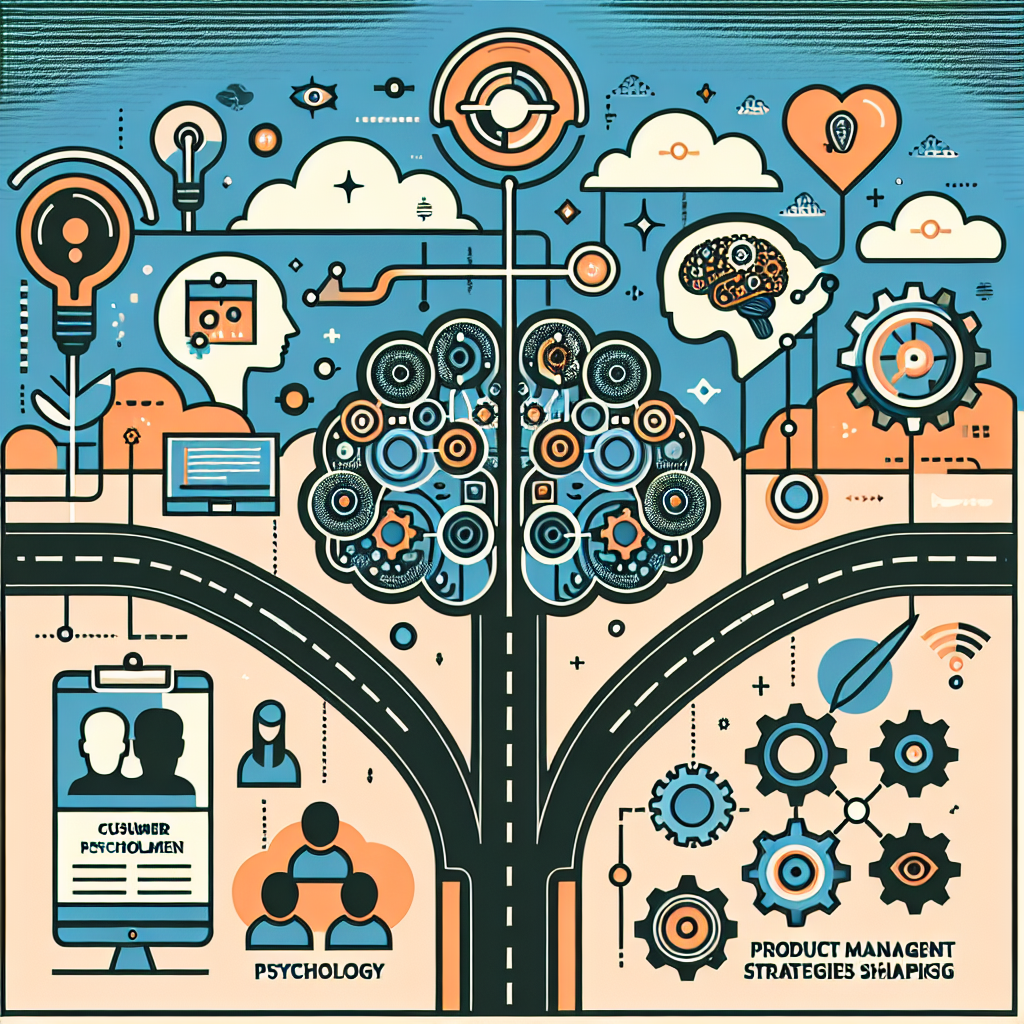
As we approach 2026, the convergence of artificial intelligence (AI) and consumer psychology is set to revolutionize product management strategies. Businesses that harness these insights will not only gain a competitive edge but will also foster deeper connections with their audiences. In this blog post, we will explore how AI-driven insights can help product managers understand consumer behavior and preferences, craft personalized experiences, and ultimately drive growth in an increasingly complex marketplace.
The Rise of AI in Product Management
Artificial intelligence has transitioned from a futuristic concept to an integral part of business operations. According to a McKinsey report, companies that have adopted AI technologies have seen a 20-30% increase in revenue. As product managers, leveraging AI tools will become essential to stay ahead of the competition. These tools can analyze vast amounts of data, uncovering patterns and trends that would be impossible for a human to identify alone.
Predictive Analytics and Consumer Behavior
One of the most significant advantages of AI in product management is its ability to provide predictive analytics. By analyzing historical data, AI can forecast consumer behavior with remarkable accuracy. For example, Amazon uses predictive analytics to recommend products to customers, which has proven effective in increasing sales. As product managers, understanding these predictions allows for more informed decision-making regarding product features, pricing strategies, and marketing campaigns.
Understanding Consumer Psychology
Consumer psychology delves into the motivations, desires, and emotions that drive purchasing decisions. By integrating insights from this field with AI capabilities, product managers can create more compelling products and marketing strategies. For instance, research shows that emotional branding can significantly influence consumer choices. In 2026, successful product managers will need to combine AI insights with psychological principles to resonate with their target audience.
The Role of Personalization
Personalization is not just a trend; it has become a fundamental expectation among consumers. A study by Epsilon found that 80% of consumers are more likely to make a purchase when brands offer personalized experiences. AI enables product managers to deliver tailored content, product recommendations, and marketing messages based on consumer behavior and preferences. By utilizing AI-driven insights, businesses can create a more engaging customer journey, ultimately leading to higher conversion rates.
Integrating AI and Consumer Insights into Product Development
The integration of AI and consumer insights into product development processes is crucial for success in 2026. Product managers must adopt a continuous feedback loop, where they analyze consumer data and adjust their strategies accordingly. This iterative approach allows for rapid prototyping and agile development, ensuring that products align with consumer needs.
Real-Time Feedback and Iteration
With the advent of social media and online reviews, consumers are more vocal than ever about their preferences and experiences. AI tools can monitor sentiment analysis in real-time, providing product managers with immediate feedback. For instance, if a new product feature receives negative feedback, teams can quickly pivot and make necessary adjustments. This responsiveness not only improves product quality but also enhances customer satisfaction and loyalty.
Preparing for Ethical Considerations
As AI continues to evolve, ethical considerations surrounding data privacy and consumer rights will become increasingly prominent. Product managers will need to navigate these challenges carefully. Transparency in data collection and usage will be essential to build consumer trust. A recent survey by PwC found that 85% of consumers are more likely to engage with brands they trust. Establishing strong ethical guidelines will not only protect consumers but also serve as a competitive advantage in the marketplace.
Building a Culture of Innovation
To fully leverage AI and consumer psychology, product managers must foster a culture of innovation within their organizations. Encouraging cross-functional collaboration between data scientists, marketers, and product developers can spark creativity and drive better outcomes. Companies like Google have thrived by cultivating such cultures, where experimentation and learning from failure are embraced. In 2026, product managers who prioritize innovation will be better equipped to adapt to rapid changes in consumer preferences and technology.
Conclusion: Actionable Takeaways for Product Managers
As we look toward 2026, the integration of AI-driven insights and consumer psychology will be pivotal in shaping effective product management strategies. Here are some actionable takeaways for product managers:
- Invest in AI tools that facilitate predictive analytics and real-time consumer insights.
- Embrace personalization as a core strategy to enhance customer experiences.
- Adopt a continuous feedback loop to iterate and improve products based on consumer input.
- Prioritize ethical data practices to build trust and loyalty among consumers.
- Foster a culture of innovation to adapt quickly to changing market dynamics.
By proactively embracing these strategies, product managers can navigate the complexities of the future and drive sustainable growth for their organizations.