Navigating the Future: How AI-Driven Personalization Will Transform SaaS Offerings by 2026
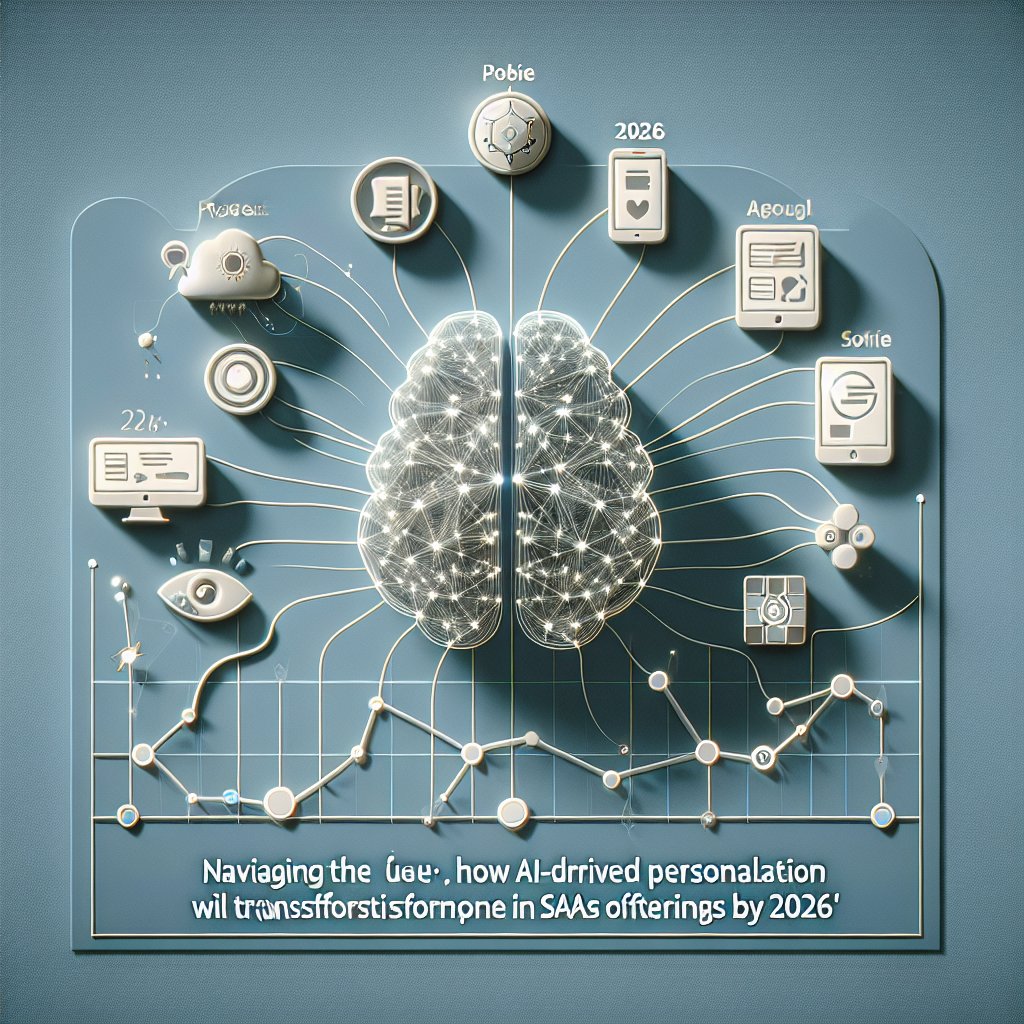
The software-as-a-service (SaaS) landscape is evolving at lightning speed, driven predominantly by advancements in artificial intelligence (AI). As we head towards 2026, the integration of AI-driven personalization is set to redefine how businesses engage with their software solutions. But what does this mean for both providers and consumers? Let’s dive into the transformative potential of AI-driven personalization and explore how it will reshape SaaS offerings in the coming years.
The Rise of Personalization in SaaS
In today’s competitive market, personalization is no longer a luxury; it’s a necessity. According to a recent study by McKinsey, 71% of consumers expect companies to deliver personalized interactions. For SaaS companies, this translates to tailoring solutions that meet the unique needs of individual users or business sectors.
As organizations increasingly adopt SaaS solutions, the demand for personalized experiences has surged. No longer satisfied with one-size-fits-all software, users are looking for platforms that adapt to their preferences, behaviors, and workflows. AI-driven personalization is the key to meeting these expectations, allowing SaaS providers to create more engaging, efficient, and user-friendly experiences.
How AI Enhances Personalization
Data-Driven Insights
At the heart of AI-driven personalization lies data. SaaS providers are leveraging AI algorithms to analyze vast amounts of user data, enabling them to gain insights into user behavior, preferences, and pain points. By understanding how users interact with their software, companies can create more relevant and timely features.
For example, a project management tool might use AI to analyze how different teams utilize its functionalities. If the data shows that a particular feature is underused, the software can suggest training resources or tutorials tailored specifically to the team’s workflow. This not only improves user engagement but also maximizes the value derived from the software.
Dynamic User Interfaces
Another significant way AI is enhancing personalization in SaaS is through dynamic user interfaces. Imagine logging into your favorite CRM and seeing a dashboard that automatically adjusts based on your recent activities and priorities. AI-driven interfaces can change layouts, highlight relevant features, and even suggest new tools based on your current projects.
This type of dynamic personalization not only improves user satisfaction but also increases productivity. Research indicates that personalized interfaces can lead to a 25% increase in user efficiency, allowing teams to focus on what truly matters without being bogged down by unnecessary features.
Future Trends in AI-Driven Personalization
Predictive Analytics and Proactive Support
As we look to 2026, predictive analytics will play a pivotal role in AI-driven personalization. SaaS platforms will increasingly harness machine learning algorithms to anticipate user needs before they manifest. For instance, if a user frequently schedules meetings on Mondays, the software could automatically suggest optimal time slots or even recommend agenda templates tailored to the user’s preferences.
Moreover, proactive support powered by AI will revolutionize customer service in the SaaS industry. Chatbots and virtual assistants, equipped with personalized insights, will be able to provide users with instant solutions to their issues, significantly reducing downtime and enhancing customer satisfaction.
Ethical Considerations and User Trust
While the benefits of AI-driven personalization are immense, it is crucial for SaaS companies to prioritize ethical considerations. Users are becoming increasingly wary of how their data is being used. A survey by Deloitte revealed that 80% of consumers would be more likely to engage with a brand that demonstrates transparency in data handling.
To build trust, SaaS providers must adopt clear data privacy policies and ensure that users have control over their personal data. By being transparent about data collection and demonstrating a commitment to user privacy, companies can foster stronger relationships with their clients and enhance the effectiveness of their personalized offerings.
Conclusion: Embracing the AI-Driven Future
The future of SaaS is undeniably tied to AI-driven personalization. As we approach 2026, businesses must be prepared to embrace these changes or risk falling behind. By leveraging data insights, creating dynamic interfaces, and implementing predictive analytics, SaaS providers can offer solutions that not only meet but exceed user expectations.
For organizations looking to thrive in this evolving landscape, here are some actionable takeaways:
- Invest in data analytics capabilities to better understand user behavior and preferences.
- Focus on creating dynamic user interfaces that adapt to individual user needs.
- Implement proactive support systems to enhance customer service and satisfaction.
- Prioritize ethical data handling practices to build trust and loyalty among users.
By doing so, SaaS companies can not only navigate the future but also lead the charge in delivering truly personalized software experiences that resonate with users across industries.