The AI Renaissance: How Intelligent Automation Will Transform Tech Innovation and Consumer Engagement by 2026
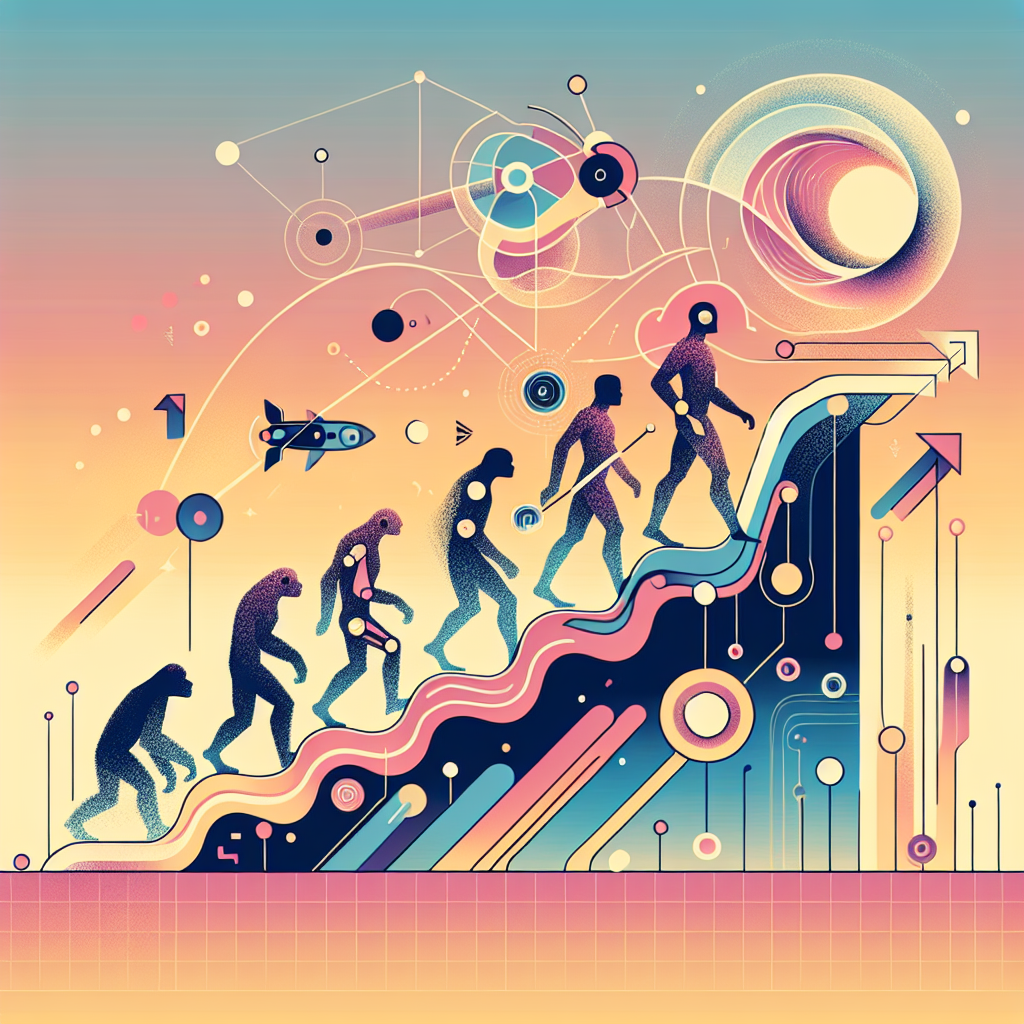
The dawn of artificial intelligence (AI) has brought about significant transformations across various industries, marking what many are calling the "AI Renaissance." By 2026, we can expect intelligent automation to not only revolutionize technological innovation but also reshape the way businesses engage with consumers. As organizations increasingly adopt AI-driven solutions, understanding the implications of these technologies becomes crucial for both industry professionals and consumers alike.
The Rise of Intelligent Automation
Intelligent automation, which combines AI technologies with robotic process automation (RPA), is changing the landscape of business operations. According to a recent report by McKinsey, organizations that implement intelligent automation could increase productivity by up to 40% and reduce operational costs by as much as 30%. These numbers illustrate the potential for intelligent automation to streamline processes, enhance efficiency, and drive innovation.
Transforming Operations
One of the most profound impacts of intelligent automation is its ability to optimize operations. For instance, companies like Amazon and Tesla are using AI to automate supply chain management, improving everything from inventory tracking to shipping logistics. In the healthcare sector, AI algorithms are assisting with patient diagnosis and treatment recommendations, accelerating the time it takes to provide critical care.
Moreover, intelligent automation can handle repetitive tasks, enabling employees to focus on more strategic initiatives. A 2021 report from Deloitte indicated that organizations employing automation technologies saw a 20% increase in employee satisfaction due to reduced mundane tasks. As a result, businesses are not only enhancing productivity but also fostering a more engaged workforce.
Revolutionizing Consumer Engagement
As we move toward 2026, the way brands interact with consumers will undergo a dramatic shift. Intelligent automation is poised to personalize and enhance consumer experiences significantly. With AI-driven analytics, businesses can now gather and analyze vast amounts of consumer data, allowing for tailored marketing strategies and personalized product recommendations.
Personalization at Scale
Take, for example, the rise of chatbots and virtual assistants. These AI tools provide real-time support to customers, answering queries and resolving issues 24/7. According to a study by Gartner, by 2025, 75% of customer interactions will be powered by AI, up from 15% in 2021. This shift towards AI-driven customer service not only enhances user experience but also allows businesses to gather insights into consumer behavior, preferences, and pain points.
Furthermore, brands are leveraging AI to create hyper-targeted marketing campaigns. Companies like Netflix and Spotify utilize machine learning algorithms to analyze user data and deliver personalized content recommendations, significantly boosting user engagement and retention. By 2026, we can expect even smaller businesses to adopt similar strategies, leveling the playing field in consumer engagement.
Challenges and Ethical Considerations
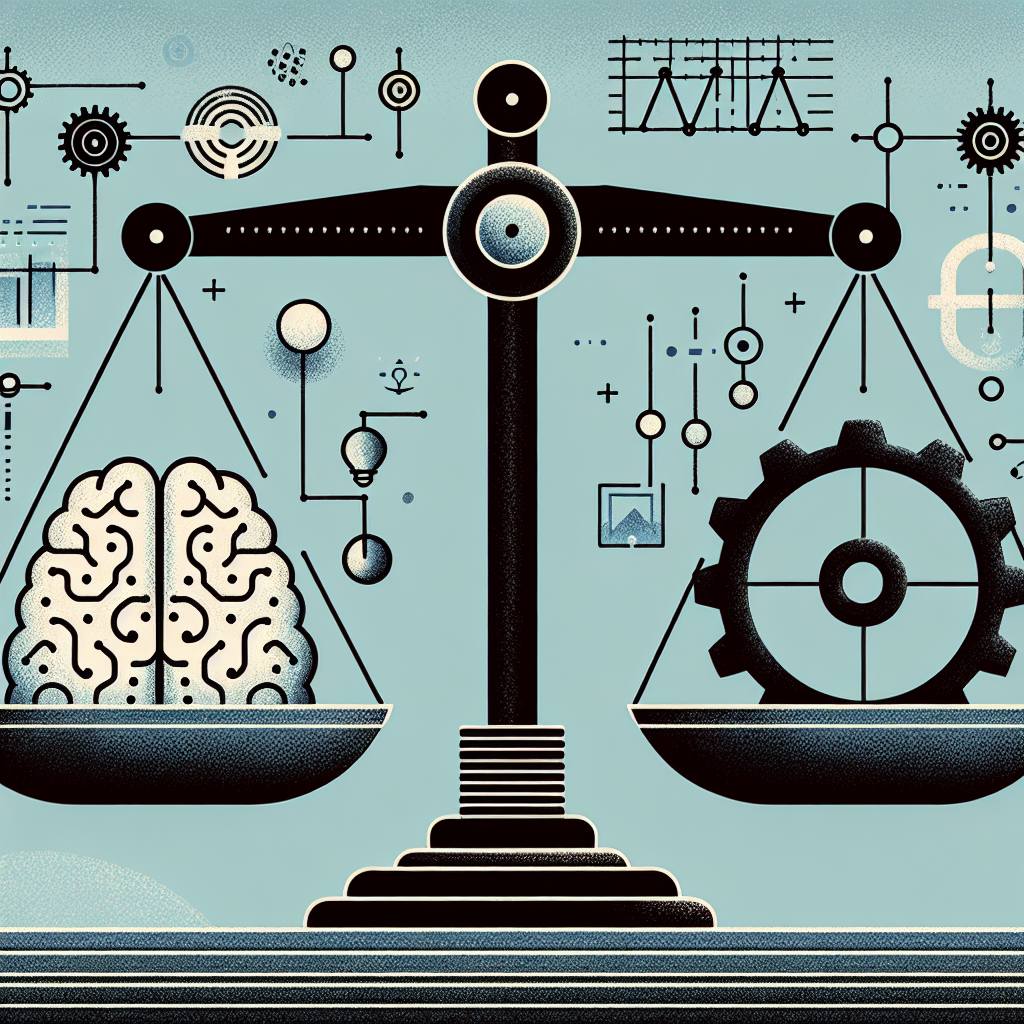
While the benefits of intelligent automation are vast, it also comes with challenges that must be addressed. One of the primary concerns is data privacy. As companies collect and analyze consumer data, ensuring that this information is handled ethically and securely is paramount. In a survey conducted by PwC, 79% of consumers expressed concerns about how their data is used, highlighting the need for transparent data practices.
Building Trust Through Transparency
For businesses to successfully implement AI-driven solutions, they must prioritize building trust with their consumers. This involves being transparent about data usage, implementing robust security measures, and respecting consumer privacy. Companies that can effectively navigate these challenges will likely emerge as leaders in their industries, setting standards for ethical AI practices.
Preparing for the Future: Skills and Education
As intelligent automation becomes more integrated into business operations and consumer engagement strategies, the demand for skilled professionals in AI and automation will surge. According to the World Economic Forum, 85 million jobs may be displaced by automation by 2025, while 97 million new roles will emerge, focusing on AI and machine learning.
The Importance of Lifelong Learning
To thrive in this evolving landscape, both current and future professionals must embrace lifelong learning. This includes pursuing education in AI technologies, data analytics, and digital marketing. Online platforms like Coursera and Udacity offer courses specifically designed to equip individuals with the necessary skills to navigate the AI-driven economy. Additionally, businesses should invest in training programs for their employees to adapt to the rapid technological changes.
Conclusion: Embracing the AI Renaissance
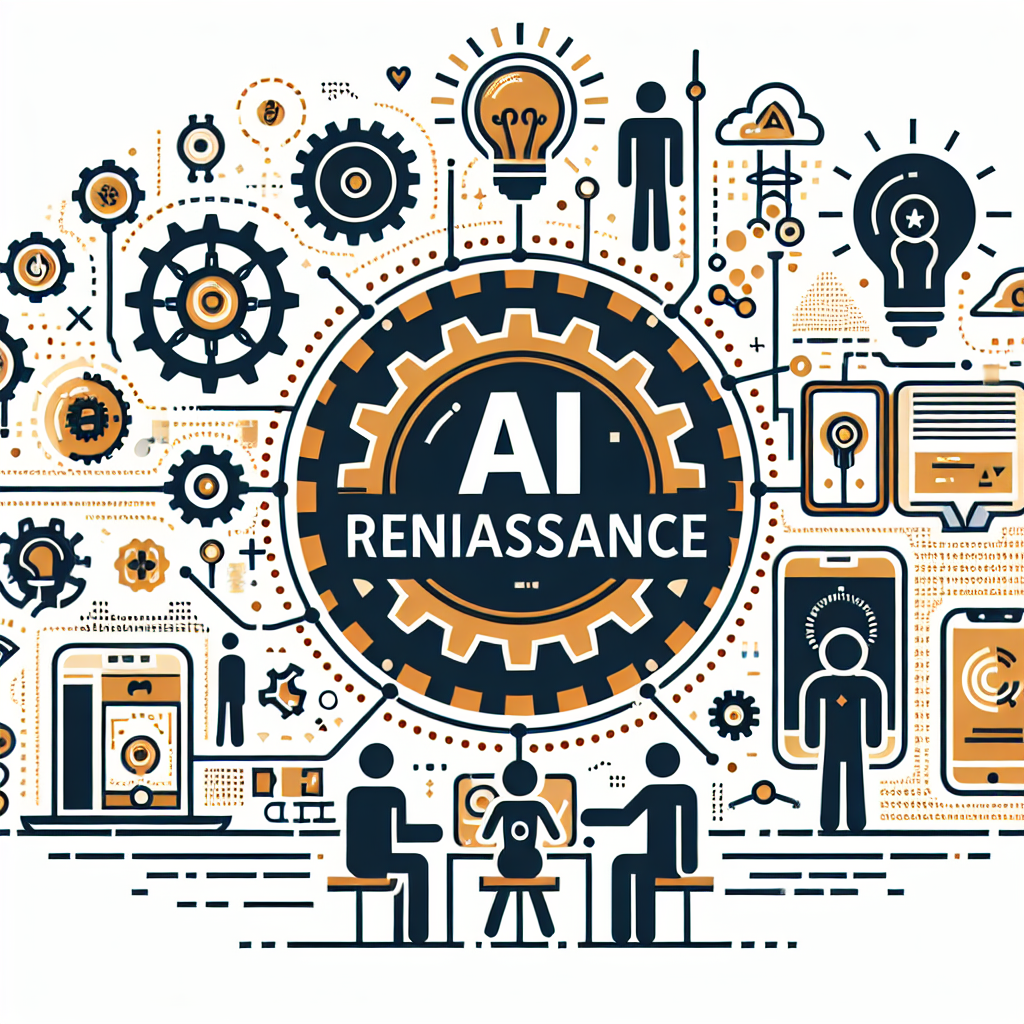
The AI Renaissance is not just a buzzword; it represents a significant shift in how technology will influence innovation and consumer engagement in the coming years. As intelligent automation continues to evolve, organizations must adapt and embrace these changes to remain competitive. By leveraging AI for operational efficiency and enhancing consumer experiences, businesses can position themselves for success in a rapidly changing landscape.
As we look toward 2026, the key takeaways are clear: invest in intelligent automation, prioritize ethical data practices, and commit to lifelong learning. By doing so, both businesses and consumers can navigate this new era of technological advancement with confidence and optimism.