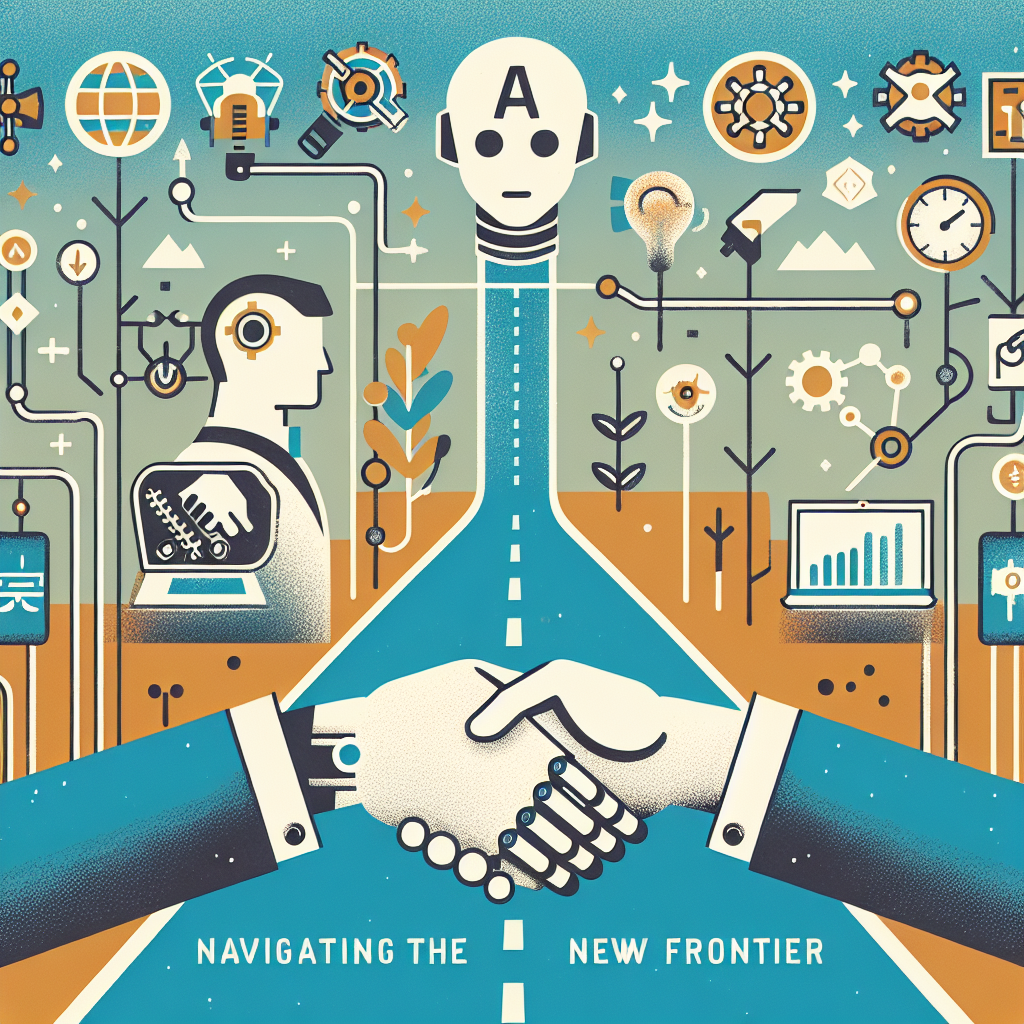
The Automation Revolution: Strategic Adaptations for Business Leaders in a Post-Pandemic Economy
The COVID-19 pandemic has accelerated the pace of change across industries, bringing automation to the forefront of business strategy like never before. As organizations navigate the complexities of a post-pandemic economy, business leaders must not only adapt to survive but also thrive in an increasingly automated world. The key to success lies in understanding the implications of automation and strategically implementing it to enhance productivity, improve customer experiences, and drive innovation. This blog post explores actionable strategies for business leaders looking to harness the power of automation in this new landscape.
Understanding the Automation Landscape
Before diving into strategic adaptations, it’s essential to understand what automation entails. Automation refers to the use of technology to perform tasks with minimal human intervention. This includes everything from robotic process automation (RPA) to artificial intelligence (AI) and machine learning (ML). According to a report by McKinsey, 60% of jobs could be automated by 2030, making it crucial for business leaders to embrace these technologies.
The Impact of the Pandemic
The pandemic has acted as a catalyst for automation adoption. Companies that previously hesitated to invest in automation were forced to pivot quickly to remote work models and digital solutions. For example, organizations like Zoom and Shopify saw exponential growth as businesses sought digital communication and e-commerce solutions. This shift underscores the need for business leaders to recognize that automation is no longer a luxury but a necessity for operational resilience and competitiveness.
Strategic Adaptations for Business Leaders
To effectively leverage automation, business leaders must adopt a multi-faceted approach that encompasses technology, culture, and strategy. Here are several key adaptations to consider:
1. Invest in Technology and Infrastructure
Investing in the right technology is the first step towards successful automation. Leaders should evaluate their current systems and identify areas where automation can enhance efficiency. For instance, customer service chatbots can handle routine inquiries, freeing up human agents for more complex issues. A study by Deloitte revealed that businesses using chatbots could save up to 30% on customer support costs.
2. Foster a Culture of Continuous Learning
As automation changes job roles, it’s vital to cultivate a culture of continuous learning within the organization. Encourage employees to upskill and reskill, ensuring they are prepared to work alongside automated systems. Online platforms like Coursera and LinkedIn Learning offer courses on AI and automation, helping staff stay ahead of the curve. This investment not only empowers employees but also enhances organizational adaptability.
3. Redefine Business Processes
Automation provides an excellent opportunity to reevaluate and streamline business processes. Leaders should conduct a thorough analysis of workflows to identify bottlenecks and redundancies that can be automated. By implementing lean methodologies, organizations can enhance efficiency and reduce waste. For example, companies like Toyota have successfully used automation to optimize their production lines, resulting in significant cost savings and improved quality.
4. Focus on Customer Experience
In a post-pandemic economy, customer expectations have evolved. Businesses must leverage automation to enhance the customer experience. Personalized marketing automation can help deliver tailored messages to customers, while AI-driven analytics can provide insights into customer behavior. According to a study by Salesforce, 70% of consumers say a company’s understanding of their personal needs influences their loyalty. This highlights the importance of leveraging automation to create meaningful customer interactions.
Case Studies: Automation in Action
Real-world examples offer valuable insights into how automation can be effectively integrated into business strategies.
1. Amazon
Amazon is a prime example of automation success. The company utilizes robotics in its warehouses to streamline operations and improve delivery times. Their automated fulfillment centers have reduced the time it takes to ship products significantly, illustrating how automation can create competitive advantages in logistics.
2. Unilever
Unilever has embraced automation not only in manufacturing but also in marketing. The company uses AI to analyze consumer data and tailor its advertising strategies, resulting in a more effective marketing spend. This approach showcases how automation can drive efficiency and effectiveness across various business functions.
Conclusion: Embrace the Future of Automation
The automation revolution is here, and it’s reshaping the business landscape. For leaders, the challenge lies in strategically adapting to these changes. By investing in technology, fostering a culture of learning, redefining processes, and focusing on customer experience, business leaders can position their organizations for success in a post-pandemic economy.
As you embark on your automation journey, consider these actionable takeaways:
- Assess your current technology and identify opportunities for automation.
- Invest in employee training to equip your team for the future.
- Streamline business processes to maximize efficiency.
- Leverage data analytics to enhance customer experiences.
In this rapidly evolving world, those who adapt will not only survive but thrive. Embrace the automation revolution and lead your organization into a successful future.