The Future of Mobile Development: Embracing AI and Machine Learning for Next-Gen Apps
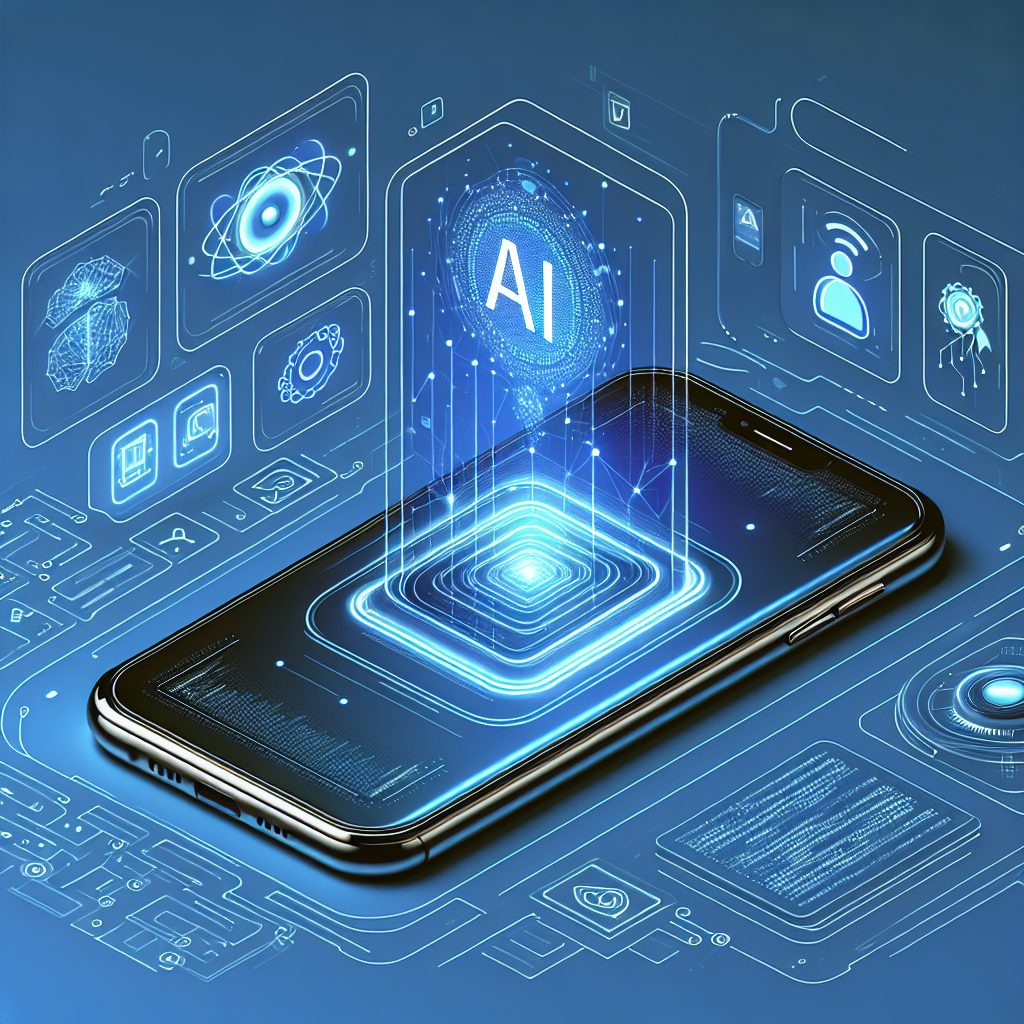
The landscape of mobile development is rapidly evolving, and at the forefront of this transformation is the integration of Artificial Intelligence (AI) and Machine Learning (ML). As smartphones become more advanced and user expectations rise, leveraging these technologies is no longer optional for app developers; it’s essential. In this blog post, we will explore how AI and ML are shaping the future of mobile applications, the benefits they bring, and what developers can do to stay ahead in this competitive arena.
Understanding AI and Machine Learning in Mobile Development
AI refers to the simulation of human intelligence in machines programmed to think and learn. Machine Learning, a subset of AI, focuses on the development of algorithms that allow computers to learn from and make predictions based on data. Together, these technologies enable mobile applications to become more intuitive, personalized, and efficient.
For instance, AI-driven mobile apps like Google Assistant and Siri have redefined user interaction by providing voice recognition and natural language processing capabilities. These features make it easier for users to engage with their devices, demonstrating the impact of AI on mobile development.
The Rise of Intelligent Apps
Intelligent apps are the future of mobile development. These applications utilize AI and ML to analyze user behavior, preferences, and patterns. By doing so, they can offer personalized experiences that significantly enhance user engagement. According to a report by Statista, the global AI market in mobile applications is expected to reach $190 billion by 2025, showcasing the immense potential for growth.
For example, Netflix uses AI algorithms to analyze viewing habits and recommend shows and movies tailored to individual users. This level of personalization not only increases user satisfaction but also boosts retention rates. Developers who incorporate similar AI-driven features in their apps can expect to see increased user loyalty and engagement.
Enhancing User Experience with AI-Powered Features
One of the primary advantages of integrating AI and ML into mobile applications is the enhancement of user experience (UX). Here are some innovative ways developers are doing this:
Smart Assistants and Chatbots
Chatbots and virtual assistants powered by AI are increasingly being integrated into mobile apps. These tools provide real-time assistance and support, answering user queries and guiding them through complex processes. For example, Sephora's chatbot on its mobile app offers personalized beauty advice and product recommendations, allowing users to find what they need quickly.
Predictive Analytics for User Behavior
ML algorithms can analyze historical user data to predict future behavior, enabling developers to make informed decisions about app updates and features. By understanding what users are likely to do next, developers can create more engaging interfaces and features. For instance, fitness apps like MyFitnessPal use predictive analytics to suggest workouts and meal plans based on users' past activities and preferences.
Streamlining Development Processes
AI and ML are not only revolutionizing user experiences but also streamlining the app development process itself. Here’s how:
Automated Testing and Quality Assurance
Automated testing powered by AI can significantly reduce the time and resources required in the development lifecycle. By employing intelligent algorithms, developers can identify bugs and issues more efficiently than traditional methods. This results in higher quality apps and quicker time-to-market. For example, platforms like Test.ai utilize AI to automate the testing of mobile apps, ensuring they function correctly across various devices and operating systems.
Enhanced Security Measures
As mobile apps grow in sophistication, so do security threats. AI can enhance app security through anomaly detection, which identifies unusual patterns that may indicate a security breach. By integrating these AI-driven security features, developers can protect user data and maintain trust. According to a report by Cybersecurity Ventures, cybercrime is expected to cost the world $10.5 trillion annually by 2025, making security a critical priority for mobile developers.
Preparing for the Future: Strategies for Developers
As we move towards a future dominated by AI and ML, mobile developers must adopt strategies to remain competitive. Here are some actionable takeaways:
- Invest in Learning: Stay updated with the latest advancements in AI and ML. Online courses and workshops can help you acquire the necessary skills to integrate these technologies effectively.
- Focus on Data: Collect and analyze user data ethically to improve app functionality and user experience. Utilize ML algorithms to interpret this data for actionable insights.
- Collaborate with AI Experts: Partnering with data scientists or AI specialists can enhance your app’s capabilities, ensuring it meets user needs and stands out in a crowded market.
- Prioritize Security: Implement robust security measures in your app from the start. Use AI-driven security solutions to protect user data and enhance trust.
Conclusion
The integration of AI and Machine Learning in mobile development is not just a trend; it’s the future. As intelligent applications become the norm, developers who embrace these technologies will not only enhance user experience but also streamline their development processes. By focusing on learning, data analytics, collaboration, and security, developers can pave the way for next-gen apps that redefine what users expect from their mobile devices. The future is bright for those ready to innovate and adapt in this exciting landscape.