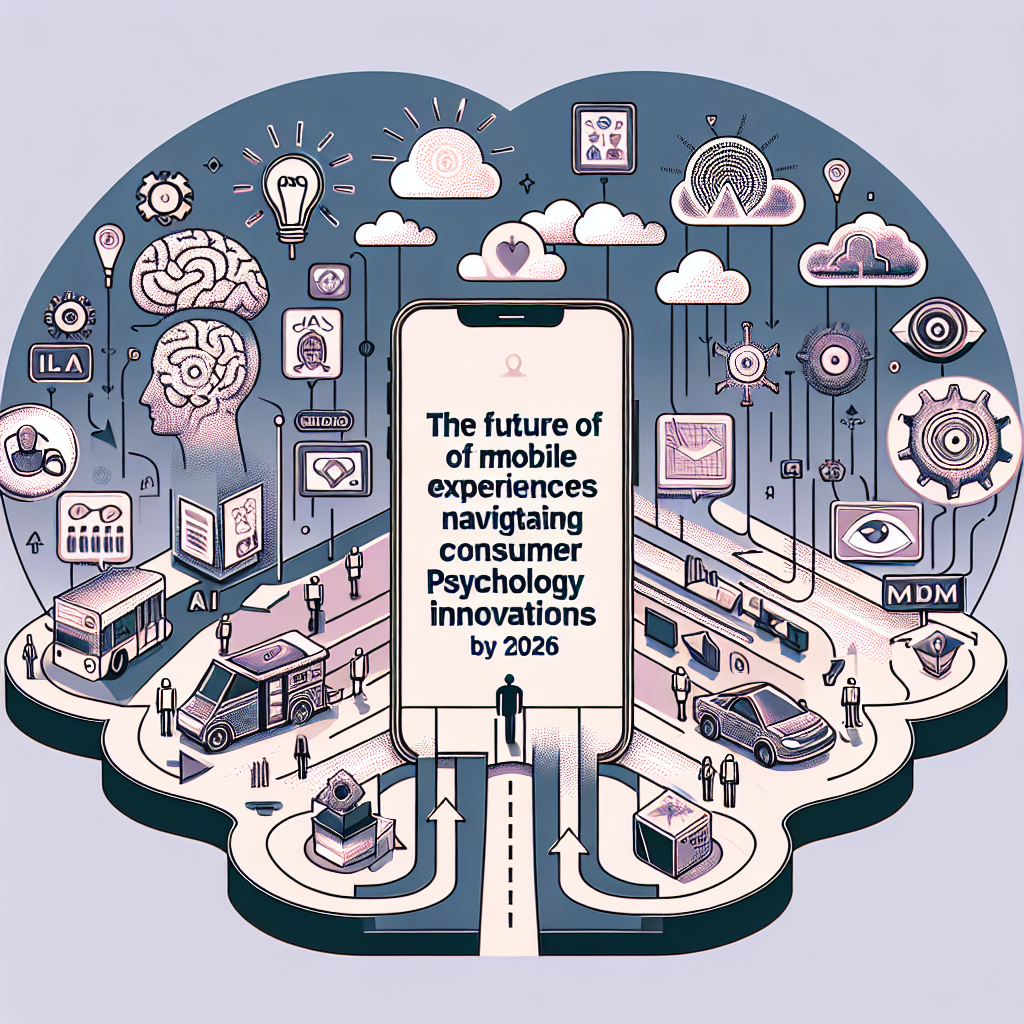
The Future of Mobile Experiences: Navigating Consumer Psychology Shifts with AI Innovations by 2026
As we progress deeper into the digital age, the mobile experience continues to evolve at a breathtaking pace. By 2026, the integration of artificial intelligence (AI) into mobile technology promises to revolutionize how brands engage with consumers, particularly as shifts in consumer psychology shape expectations and behaviors. This blog post will explore the emerging trends in mobile experiences driven by AI innovations and how businesses can leverage these advancements to meet the evolving needs of their audiences.
Understanding Consumer Psychology Shifts
Consumer psychology is a dynamic field, heavily influenced by technological advancements and societal changes. As we approach 2026, several key psychological shifts are reshaping how consumers interact with mobile devices.
Increased Demand for Personalization
Today's consumers expect tailored experiences that resonate with their individual preferences. Research indicates that 80% of consumers are more likely to make a purchase when brands offer personalized experiences. AI technologies, such as machine learning algorithms, analyze user data to predict preferences and behaviors, enabling brands to deliver customized content and recommendations. By 2026, we can anticipate a greater reliance on AI to provide hyper-personalized experiences, enhancing customer satisfaction and loyalty.
Heightened Awareness of Data Privacy
As consumers become more aware of data privacy issues, brands must navigate this landscape delicately. A survey by Pew Research found that 79% of Americans are concerned about how their data is being used. By 2026, brands will need to implement AI-driven solutions that not only enhance user experience but also prioritize transparency and ethical data usage. This could include providing consumers with clearer choices about data sharing and developing privacy-first AI systems that respect user consent.
The Shift Towards Instant Gratification
Modern consumers increasingly value speed and efficiency, with a growing expectation for instant access to information and services. A report by Google indicates that mobile users expect web pages to load in under three seconds. Advances in AI, including predictive analytics and voice recognition, are set to streamline mobile experiences by 2026, making it easier for consumers to access information and complete transactions seamlessly.
AI Innovations Transforming Mobile Experiences
The integration of AI into mobile technologies is creating innovative solutions that cater to the evolving psychology of consumers. Here are some noteworthy AI-driven innovations that will shape mobile experiences in the near future.
Chatbots and Virtual Assistants
AI-powered chatbots and virtual assistants are becoming increasingly sophisticated, providing real-time support and enhancing user engagement. By 2026, we can expect these tools to become even more intuitive, using natural language processing to understand and respond to user inquiries more effectively. This not only improves customer service but also fosters deeper connections between brands and consumers.
Augmented Reality (AR) and Virtual Reality (VR)
Augmented and virtual reality technologies are making waves in the mobile experience realm. According to Statista, the AR market is projected to reach $198 billion by 2025. By 2026, brands will leverage AI to create immersive AR and VR experiences that engage consumers in novel ways, from virtual try-ons in retail to interactive learning experiences in education. These technologies will cater to the desire for experiential engagement, aligning with the psychology of consumers seeking memorable interactions.
Predictive Analytics for Enhanced User Experience
Predictive analytics powered by AI can help brands anticipate consumer needs and preferences, allowing for proactive engagement. For example, e-commerce platforms can use AI to analyze browsing history and suggest products that users are likely to purchase. As we approach 2026, the ability to predict consumer behavior will become increasingly refined, enabling brands to create frictionless shopping experiences that resonate with consumers' immediate desires.
Actionable Strategies for Businesses
To successfully navigate the future of mobile experiences, businesses should consider implementing the following strategies:
- Invest in AI Technologies: Embrace AI tools that enhance personalization, customer service, and predictive analytics. The initial investment can yield significant returns in customer loyalty and sales.
- Prioritize Data Privacy: Build trust by being transparent about data usage and providing consumers with control over their personal information. This will be vital as concerns about data privacy continue to grow.
- Focus on User Experience: Streamline mobile interfaces and optimize for speed to meet the demand for instant gratification. Regularly test user experiences to identify areas for improvement.
- Embrace Emerging Technologies: Stay ahead of the curve by exploring AR and VR opportunities that can enhance customer engagement. These technologies can create memorable experiences that set brands apart.
Conclusion
The future of mobile experiences is undeniably intertwined with advancements in AI and shifts in consumer psychology. By 2026, brands that successfully adapt to these changes will not only enhance customer satisfaction but also foster loyalty and drive growth. As we move forward, embracing personalization, prioritizing data privacy, and leveraging innovative technologies will be critical for businesses aiming to thrive in an increasingly competitive landscape. The time to start preparing for the mobile future is now—those who act decisively will reap the rewards of a more engaged and satisfied customer base.