The Future of SaaS: How Automation and Evolving Consumer Psychology Will Shape Business Models in 2026
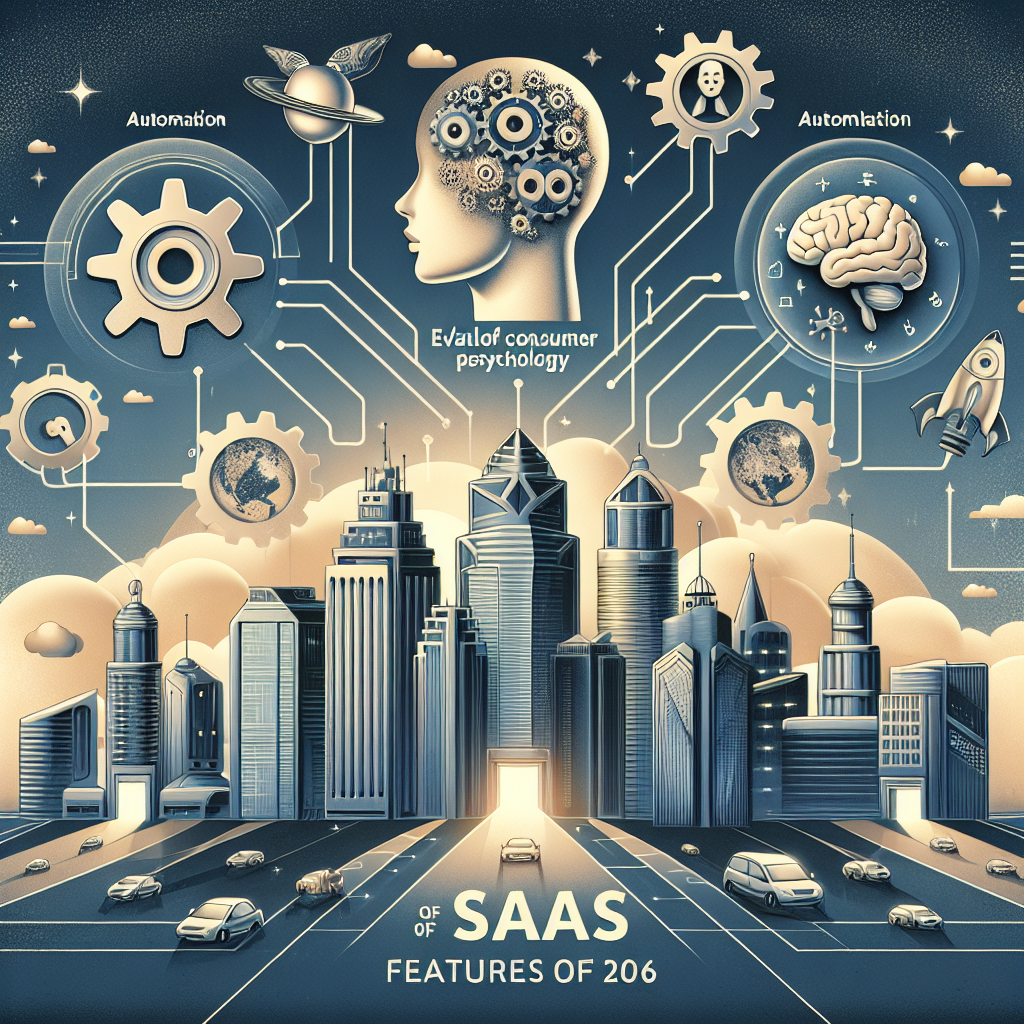
The Software as a Service (SaaS) landscape is undergoing a transformative shift, influenced by rapid advancements in automation and the changing psychology of consumers. As we look towards 2026, it’s crucial to understand how these factors will redefine business models, customer engagement, and overall market dynamics in the SaaS industry. This blog post delves into the future of SaaS, exploring the implications of automation and evolving consumer behavior on business strategies.
Understanding the Role of Automation in SaaS
Automation is no longer a futuristic concept; it’s a fundamental component of modern SaaS solutions. By 2026, we can expect automation to permeate every aspect of SaaS, enhancing efficiency and user experience. According to a report by McKinsey, 70% of businesses are expected to adopt AI technologies by 2026, significantly impacting how SaaS products are developed and delivered.
The Rise of Intelligent Automation
Intelligent automation, which combines AI and automation technologies, is set to revolutionize SaaS applications. This includes everything from chatbots providing customer support to machine learning algorithms analyzing user data to enhance personalization. For instance, companies like Zendesk are already implementing AI-driven features that can predict customer inquiries based on historical data.
As businesses increasingly leverage these capabilities, they will not only improve operational efficiency but also create tailored solutions that resonate with user preferences. This shift will also lead to a competitive landscape where companies that fail to embrace automation may struggle to keep up.
Evolving Consumer Psychology: What does 2026 Hold?
Consumer psychology is continually evolving, driven by technological advancements and changing societal norms. In 2026, SaaS businesses will need to adapt to these shifts to remain relevant. Understanding customer motivations, pain points, and expectations will be paramount.
Personalization as a Standard Expectation
Today’s consumers expect personalized experiences, and this trend will only intensify in the coming years. A Salesforce report revealed that 66% of consumers expect companies to understand their unique needs and expectations. By 2026, SaaS providers will need to move beyond generic offerings and utilize data analytics to craft personalized user experiences.
For example, SaaS platforms can employ predictive analytics to foresee customer needs or preferences, allowing businesses to adapt their services proactively. This level of personalization not only enhances customer satisfaction but also fosters loyalty, turning users into advocates for the brand.
Subscription Models: Evolving with Consumer Needs
As consumer behavior shifts, so too will the subscription models that SaaS companies employ. By 2026, we can anticipate an increase in flexible pricing structures, allowing customers to pay for only what they use. This flexibility aligns with the growing demand for transparency and value in spending.
Adoption of Usage-Based Pricing
Usage-based pricing models, which charge customers based on their actual use of the service, are likely to gain traction. A recent survey by Price Intelligently found that 45% of SaaS companies are considering transitioning to this model. This approach not only provides customers with more control over their spending but also aligns the interests of both the provider and the user.
Companies like Twilio have successfully adopted this model, allowing businesses to scale their services without the burden of hefty fixed costs. As more organizations recognize the benefits of usage-based pricing, we will likely see this model become a standard in the SaaS industry by 2026.
Building Trust Through Transparency and Ethics
As consumers become more aware of data privacy and ethical practices, SaaS providers must prioritize transparency to build trust. A 2023 survey by Deloitte indicated that 67% of consumers are concerned about how their data is being used, emphasizing the need for businesses to adopt ethical practices.
The Importance of Data Privacy
In 2026, SaaS companies will need to be proactive in communicating their data usage policies and ensuring compliance with regulations like GDPR and CCPA. Transparency about data handling processes and offering customers control over their data will be essential for fostering trust and loyalty.
By adopting ethical business practices and prioritizing consumer privacy, SaaS providers can differentiate themselves in a crowded market, appealing to the growing demographic of conscious consumers.
Conclusion: Preparing for the Future of SaaS
The future of SaaS in 2026 will be shaped by the integration of automation, the evolution of consumer psychology, and the adaptation of business models to meet changing needs. As companies prepare for these shifts, it’s essential to focus on the following actionable takeaways:
- Invest in automation technologies to enhance operational efficiency and customer experience.
- Adopt personalized marketing strategies built on data analytics to meet consumer expectations.
- Consider flexible, usage-based pricing models that align with customer needs.
- Prioritize transparency and ethical practices to build trust with consumers.
By embracing these trends and strategies, SaaS companies can position themselves for success in an increasingly complex and competitive landscape, ensuring they meet the demands of tomorrow's consumers.