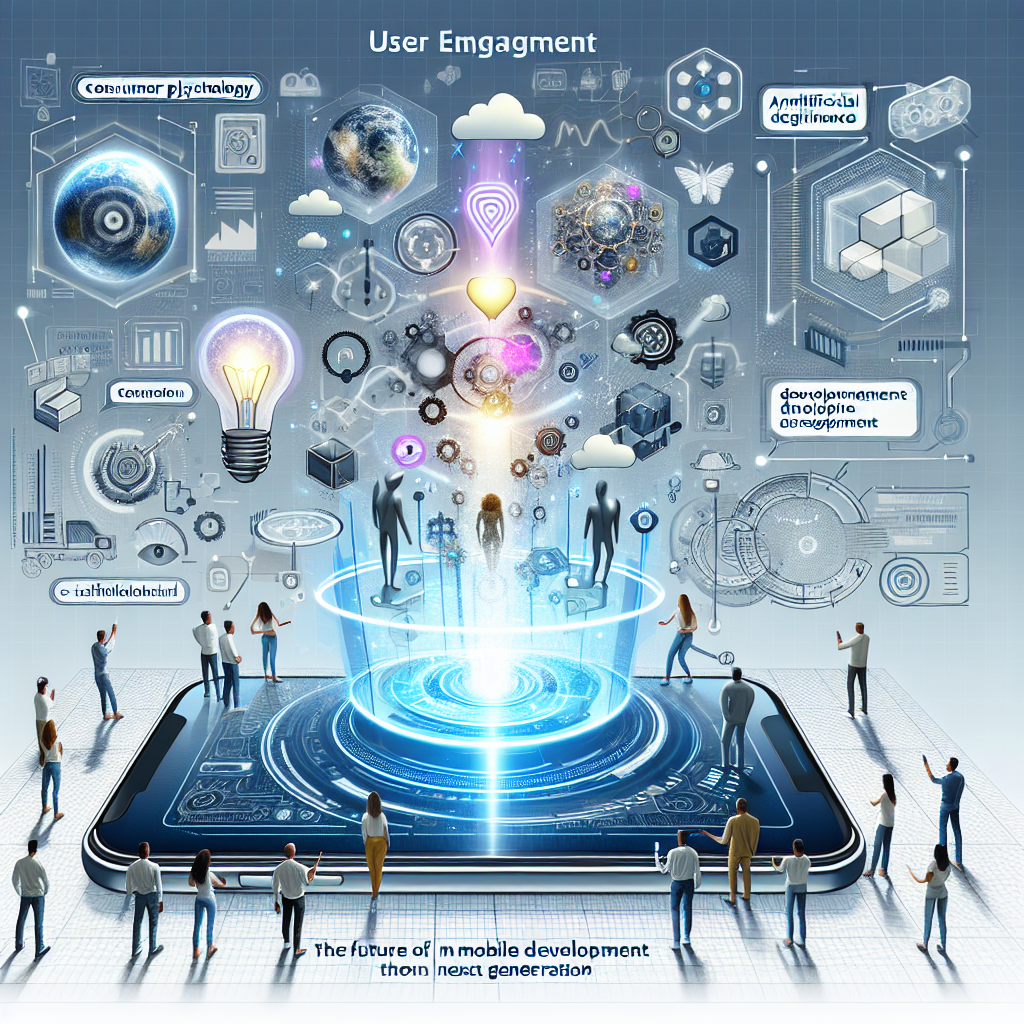
The Future of User Engagement Leveraging Consumer Psychology and AI in Mobile Development Next Generation
In today’s fast-paced digital landscape, user engagement has become a critical focal point for businesses, especially in mobile development. As technology evolves, so do the strategies to capture and retain the attention of users. The integration of consumer psychology and artificial intelligence (AI) presents a unique opportunity to revolutionize how businesses interact with their audience. This blog explores how these two fields can work together to enhance user engagement in the next generation of mobile applications.
Understanding Consumer Psychology
At the core of successful user engagement lies consumer psychology—the study of how thoughts, beliefs, feelings, and perceptions influence buying behavior. Understanding what motivates users is essential for creating applications that not only attract users but also keep them coming back. For instance, according to a Statista report, mobile app users spend an average of 90% of their time on apps, with only 10% on mobile websites. This statistic underscores the importance of crafting intuitive and engaging mobile experiences.
The Role of Emotional Design
Emotional design plays a significant role in how users perceive and interact with mobile applications. By tapping into users’ emotions, developers can create a connection that goes beyond functionality. For example, a study by Nielsen Norman Group found that emotionally engaging designs lead to increased user satisfaction and loyalty. Incorporating elements like color psychology, storytelling, and personalized experiences can evoke positive emotions, making users feel more connected to the app.
Integrating AI for Enhanced Personalization
Artificial intelligence has transformed the way businesses analyze user behavior and preferences, enabling a level of personalization that was previously unattainable. By utilizing machine learning algorithms, developers can create applications that adapt to individual user needs and preferences in real-time. For instance, AI can analyze user interactions to recommend content, suggest features, or even adjust the user interface based on usage patterns.
Predictive Analytics: Anticipating User Needs
One of the most powerful applications of AI in mobile development is predictive analytics. By leveraging historical data, AI can forecast user behavior and preferences, allowing developers to proactively address user needs. For example, Netflix employs predictive analytics to recommend shows and movies based on viewing history, significantly enhancing user engagement and satisfaction.
The Synergy of Consumer Psychology and AI
The combination of consumer psychology and AI provides a robust framework for creating engaging mobile experiences. By understanding the psychological triggers that drive user behavior, developers can tailor AI algorithms to enhance user interactions effectively. This synergy enables the creation of dynamic applications that not only meet user expectations but also exceed them.
Gamification and Behavioral Incentives
Gamification is a prime example of how consumer psychology and AI can work together to boost engagement. By incorporating game-like elements such as rewards, challenges, and leaderboards, developers can motivate users to interact more frequently with their applications. AI can analyze user data to personalize these gamified experiences, providing incentives that resonate with individual users. A case study involving Duolingo, a language-learning app, shows that gamification significantly increased user retention rates, with users spending an average of 34 minutes per day on the app.
Looking Ahead: The Future of User Engagement
As technology continues to advance, the future of user engagement in mobile development will undoubtedly become more sophisticated. The integration of augmented reality (AR) and virtual reality (VR) with AI and consumer psychology will create immersive experiences that enhance user interaction. Imagine a shopping app that uses AR to allow users to visualize products in their homes before purchasing, combined with AI-driven recommendations tailored to their preferences.
Moreover, as privacy concerns grow, ethical considerations in utilizing consumer data will become paramount. Striking a balance between personalization and privacy will be essential in maintaining user trust and loyalty.
Conclusion: Actionable Takeaways for Developers
The future of user engagement in mobile development lies at the intersection of consumer psychology and AI. Here are some actionable takeaways for developers looking to leverage these insights:
- Focus on emotional design: Integrate elements that evoke positive emotions to enhance user satisfaction.
- Utilize AI for personalization: Implement machine learning algorithms to analyze user behavior and tailor experiences accordingly.
- Incorporate gamification: Use game-like elements to motivate and engage users, ensuring the experience remains fun and rewarding.
- Stay informed on ethical data practices: Respect user privacy while leveraging data for personalized experiences.
By harnessing the power of consumer psychology and AI, mobile developers can create engaging experiences that captivate users and foster long-term loyalty. The next generation of mobile applications is not just about functionality; it’s about creating meaningful connections that resonate with users on multiple levels.