The Future of Web Development: Exploring AI-Driven Design and Automation Trends
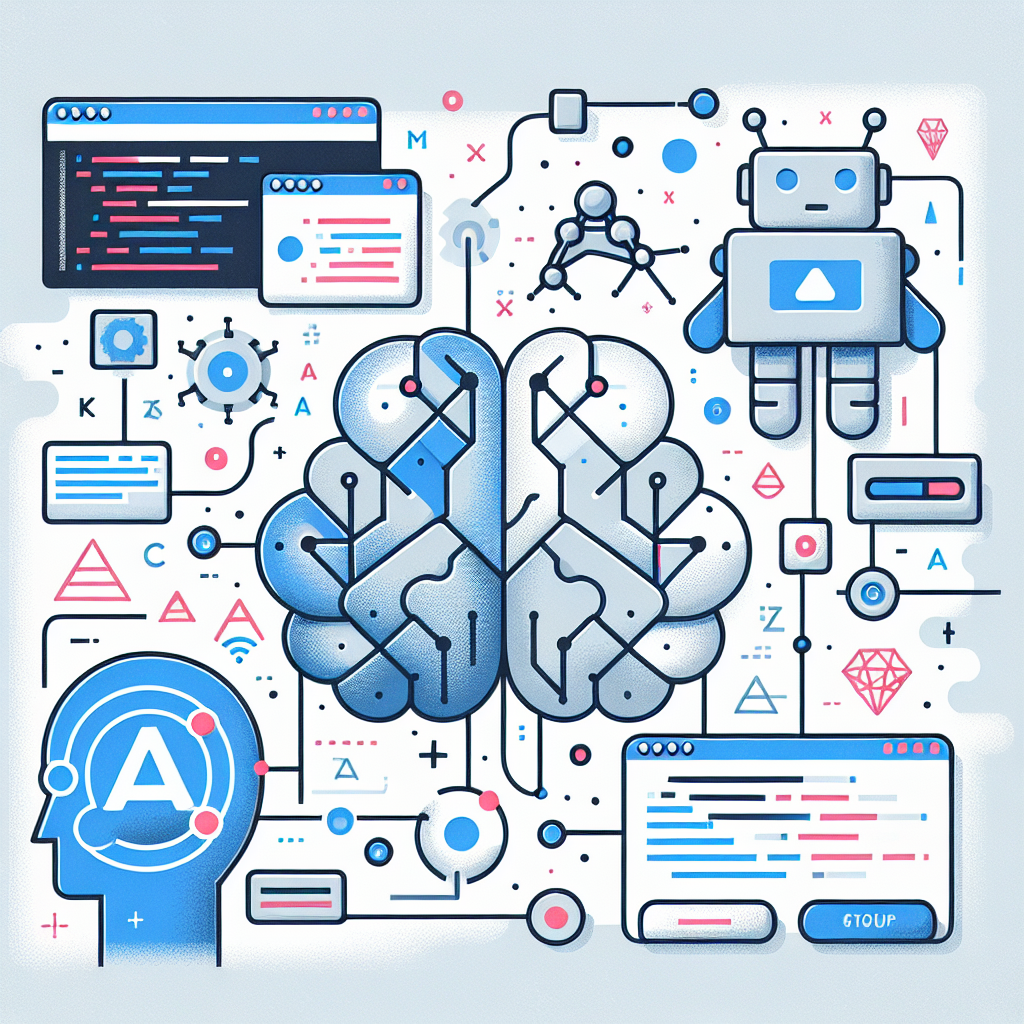
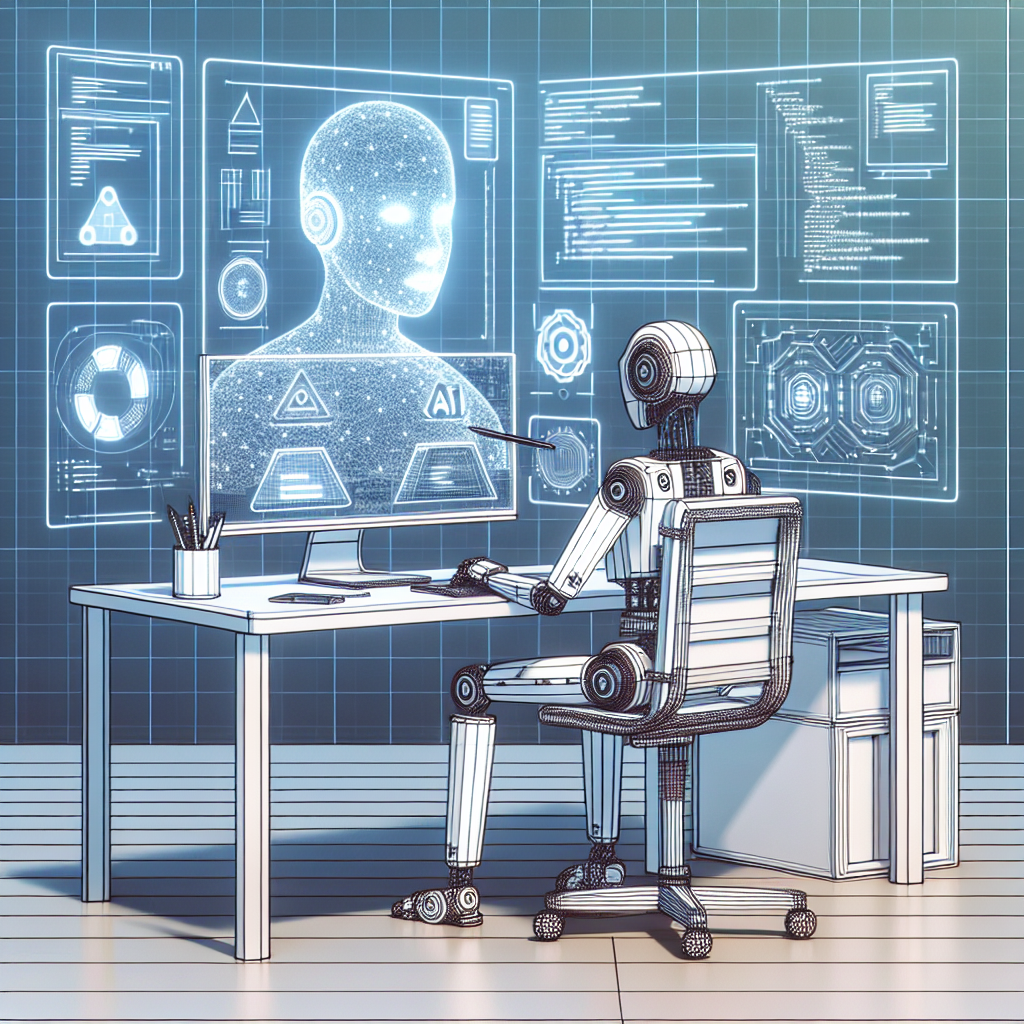
As we dive deeper into the digital age, the landscape of web development is undergoing a radical transformation. With the advent of artificial intelligence (AI), developers are not just building websites; they’re enhancing user experiences, streamlining workflows, and automating mundane tasks. In this blog post, we will explore how AI-driven design and automation are shaping the future of web development, providing insights into trends that are poised to redefine how we create and interact with the web.
Understanding AI in Web Development
Artificial intelligence refers to the simulation of human intelligence in machines, enabling them to perform tasks that typically require human cognition. In web development, AI is becoming an integral part of the design process and user experience. From smart chatbots to personalized content recommendations, the influence of AI is pervasive.
The Rise of AI-Powered Tools
Tools like Adobe Sensei and Wix ADI (Artificial Design Intelligence) are revolutionizing how websites are created. For instance, Wix ADI can analyze user preferences and automatically generate a tailored website layout, saving time and effort. According to a report by Gartner, by 2025, 75% of all web applications will leverage AI in some capacity, illustrating the technology's growing significance in the industry.
AI-Driven Design Trends
AI is not just a tool; it’s a trendsetter in web design. Here are some prominent trends that are emerging:
1. Personalized User Experiences
With advancements in machine learning, websites can now offer personalized experiences based on user behavior and preferences. For example, e-commerce platforms like Amazon use AI algorithms to analyze user data and suggest products accordingly. This personalization not only enhances user satisfaction but also drives conversions.
2. Enhanced Visual Design
AI tools can assist in creating visually appealing designs by analyzing successful layouts and user interactions. This data-driven approach allows designers to make informed decisions that resonate with their target audience. Tools like Canva leverage AI to suggest design elements, color palettes, and layouts that align with current design trends.
3. Voice User Interface (VUI) Integration
As voice search gains popularity, integrating voice user interfaces into web applications is becoming essential. AI technologies like natural language processing enable users to interact with websites using voice commands, making navigation more intuitive. Companies like Google and Amazon are leading the way with their voice assistants, reshaping how users engage with web content.
Automation in Web Development
Automation is another significant trend that is reshaping web development. By reducing manual tasks, developers can focus on more strategic initiatives. Here are a few ways automation is being utilized:
1. Code Generation
AI-driven platforms are now capable of generating code based on user inputs and predefined templates. GitHub Copilot, for example, uses machine learning to assist developers by suggesting code snippets and functions as they type, significantly increasing coding efficiency.
2. Automated Testing
Automated testing tools powered by AI can simulate user interactions and identify bugs more effectively than traditional methods. This reduces the time spent on debugging and ensures a smoother launch of web applications. Platforms like Selenium and Test.ai are at the forefront of this trend, enabling teams to deliver high-quality products faster.
3. Continuous Integration and Deployment (CI/CD)
Automation is also transforming the CI/CD pipeline, allowing developers to deploy code changes rapidly and reliably. AI can predict potential issues in the deployment process, ensuring that teams can address problems before they escalate. This proactive approach leads to increased efficiency and reduced downtime.
Challenges and Considerations
While AI-driven design and automation present exciting opportunities, they also come with challenges. Ethical considerations regarding data privacy and algorithmic bias are paramount. Developers must ensure that AI tools comply with regulations and do not compromise user trust.
Furthermore, the reliance on AI can lead to a skills gap where developers may become overly dependent on automated tools. It’s crucial for professionals to continuously enhance their skills and understand the underlying technologies driving these innovations.
Conclusion: Embracing the Future
The future of web development is undeniably intertwined with AI-driven design and automation. As these technologies continue to evolve, developers must embrace change and adapt to new methodologies. Here are some actionable takeaways:
- Stay informed about emerging AI tools and trends to leverage their potential in your projects.
- Invest in continuous learning to keep your skills relevant and competitive in a rapidly changing landscape.
- Prioritize ethical considerations and user privacy when integrating AI into your web solutions.
By harnessing the power of AI, developers can create more engaging, efficient, and effective web experiences. The key to thriving in this new era lies in embracing innovation while maintaining a human touch in design and development. The future is bright, and it’s time to lead the way.