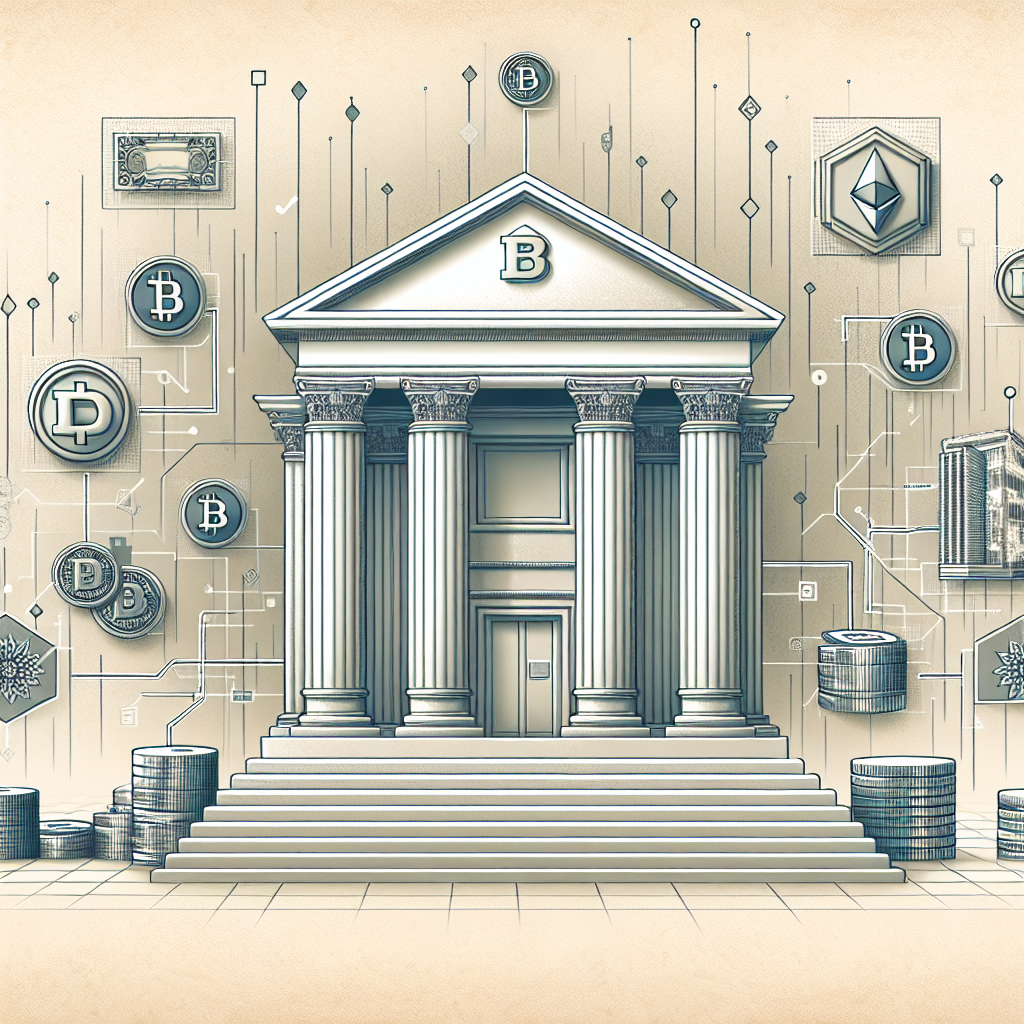
The Rise of Decentralized Finance: What's Next for the Future of Banking and Investment
In recent years, the financial landscape has been reshaped by a burgeoning movement known as Decentralized Finance (DeFi). This innovative approach leverages blockchain technology to create an open, permissionless financial system that operates without traditional intermediaries like banks or brokers. As DeFi continues to gain traction, it is crucial to explore what the future holds for banking and investment in this rapidly evolving space.
Understanding Decentralized Finance
Decentralized Finance encompasses a wide range of financial applications built on blockchain technology. Unlike conventional finance, which relies on centralized institutions, DeFi aims to provide financial services through smart contracts on public blockchains. This includes lending, borrowing, trading, and earning interest without the need for a middleman.
The Growth of DeFi Platforms
The DeFi sector has seen exponential growth over the past few years. According to DeFi Pulse, total value locked (TVL) in DeFi protocols soared from around $1 billion in early 2020 to over $80 billion by mid-2023. This meteoric rise speaks volumes about investor confidence and the increasing adoption of decentralized financial services.
Prominent platforms such as Uniswap, Aave, and Compound have transformed how individuals interact with financial systems. Users can lend their assets to others, earning interest while retaining ownership of their funds. This shift not only democratizes access to financial services but also empowers individuals to take control of their financial destinies.
The Advantages of DeFi
Decentralized Finance presents several compelling advantages over traditional banking and investment methods:
1. Accessibility
One of the most significant benefits of DeFi is its accessibility. Individuals worldwide can access financial services with an internet connection and a cryptocurrency wallet, bypassing the stringent requirements of traditional banks. This democratization of finance opens doors for the unbanked and underbanked populations, providing them with opportunities to save, invest, and manage their money effectively.
2. Transparency and Security
DeFi operates on public blockchains, which are inherently transparent. Every transaction is recorded on the blockchain, allowing users to verify the integrity of the system. Additionally, smart contracts automate processes, reducing the risk of human error and fraud. While no system is entirely immune to risks, the decentralized nature of DeFi can enhance security compared to traditional finance, where a single point of failure can lead to catastrophic outcomes.
3. Lower Fees and Faster Transactions
Traditional banking systems often come with high fees and lengthy transaction times, especially for international transfers. DeFi platforms, on the other hand, typically charge lower fees and allow for near-instantaneous transactions. This efficiency not only benefits consumers but also enables businesses to operate more effectively in a global marketplace.
Challenges Facing the DeFi Ecosystem
Despite its advantages, the rise of DeFi is not without challenges. Regulatory scrutiny is one of the most pressing issues. Governments around the world are grappling with how to regulate this new financial landscape while fostering innovation. Striking a balance between consumer protection and encouraging growth is crucial for the future of DeFi.
Additionally, the DeFi space is still maturing and is subject to technical vulnerabilities. High-profile hacks and exploits have exposed weaknesses in smart contracts, leading to significant financial losses. As the ecosystem evolves, improving security protocols and educating users about potential risks will be vital.
The Future of Banking and Investment in a DeFi World
As DeFi continues to grow, traditional financial institutions must adapt to stay relevant. Many banks are exploring blockchain technology to enhance their services, streamline operations, and reduce costs. For instance, JPMorgan has launched its own cryptocurrency, JPM Coin, to facilitate cross-border payments and enhance transaction efficiency.
Moreover, we may see an increasing trend of hybrid models, where traditional financial institutions collaborate with DeFi platforms. This could lead to more innovative financial products that combine the best of both worlds—offering the security of established banks with the innovation and accessibility of DeFi.
Investment Strategies in a DeFi Environment
Investors seeking to navigate the DeFi landscape should consider diversifying their portfolios. With a myriad of DeFi tokens and platforms available, spreading investments across different assets can mitigate risks. Additionally, staying informed about regulatory developments and technological advancements will be crucial for making informed investment decisions.
Furthermore, engaging with the DeFi community can provide valuable insights and opportunities. Participating in forums, attending virtual meetups, and following industry leaders on social media can help investors stay ahead of trends and identify potential pitfalls.
Conclusion: Embracing the Future of Finance
The rise of Decentralized Finance marks a pivotal moment in the evolution of banking and investment. As this innovative sector continues to mature, it presents both opportunities and challenges that will shape the financial landscape for years to come. By understanding the dynamics of DeFi and staying informed about its developments, individuals and institutions can position themselves to thrive in this new financial ecosystem.
For anyone looking to embrace the future of finance, consider starting small: explore DeFi platforms, educate yourself about the risks and rewards, and engage with the community. The future of banking and investment is decentralized, and being proactive now can open up a world of opportunities.